
The Story
Why it exists.
The beginning
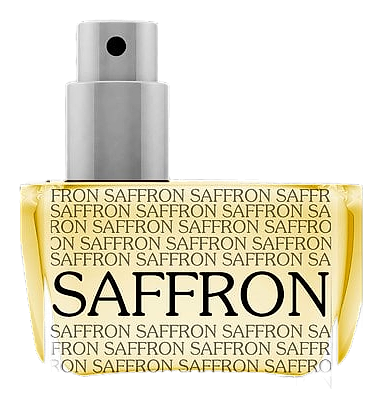
Saffron joined Otoori's catalogue in 2016, becoming one of the early releases that shaped the house's contemporary identity. It belongs to Otoori's Mix and Match Essential Notes tier, the foundational layer of a modular system designed to let wearers build a signature scent from interchangeable building blocks. The fragrance was created as a chypre, a category built around oakmoss and warm spice that the house incorporated into its lineup with quiet confidence. The opening announces itself with the brittle, leathery warmth of saffron thread, dry and almost smoky, before easing into a floral heart where rose and jasmine hover just beneath the spice rather than competing with it.
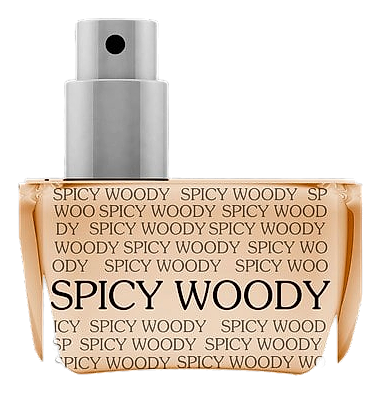
What's interesting here is the restraint. The pyramid is deliberately narrow: spicy and woody on entry, woody and floral at the heart, musk and oakmoss underneath. That's it. The chypre architecture gives the composition its structural backbone, while the spice opening ensures the scent speaks with warmth and texture from the first spray. There's an intentional minimalism to the note list, nothing extra, nothing ornamental. Each ingredient earns its place.
The evolution
The opening is immediate but not loud. Spicy and woody notes arrive together, a brief warmth that suggests saffron thread and dry bark more than a full Indian spice market. Within ten to fifteen minutes the floral layer steps forward, softening the edge without sweetening it. The wood deepens, gains texture, moves from surface warmth to something closer to the grain itself. The saffron carries through this transition, losing its initial sharpness and settling into something more honeyed, almost waxy in its persistence. By the two-hour mark the musk has settled underneath, and the oakmoss is doing what oakmoss does in any well-built chypre, anchoring everything with that dry, earthy, faintly bitter undertone. The drydown is where this fragrance earns its keep.
Cultural impact
Saffron occupies a quiet corner of the Arabian fragrance landscape. It sits closer to the chypre tradition than many of its regional counterparts, built around oakmoss and spice rather than the heavier resinous materials that often dominate Middle Eastern perfumery. That structural choice gives it a different rhythm on skin, drier, less sweet, more grounded in mossy and woody textures than in the sweet ambers and thick oud compositions that populate much of the regional market.