The Story
Why it exists.
The beginning
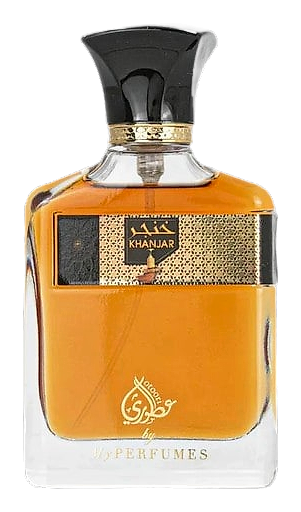
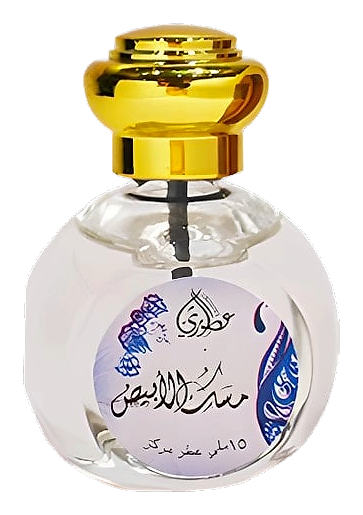
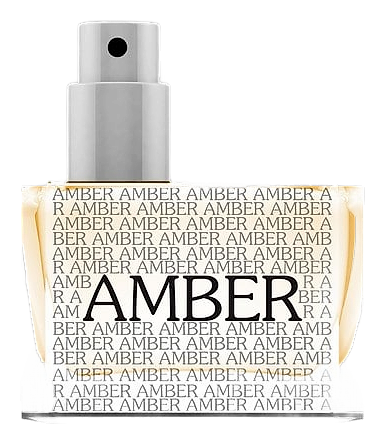
Amber is a study in concentration, a composition that does not negotiate with modern tastes or ask to be liked. It sits heavy on the skin and stays, an unapologetically dense fragrance built around the interplay of oriental notes, amber, woody notes, floral notes, and musk. The oils-based formula speaks to a tradition of perfumery that valued raw material over light alcohol extrait, where fragrance was something you wore like a second skin rather than something that evaporated between the elevator and the parking lot. There is nothing polite about this bottle. It does not project softness from a distance, and it does not perform for a room. What it does is settle into the wearer with a warmth that reads as material in its raw state rather than as finished decoration.
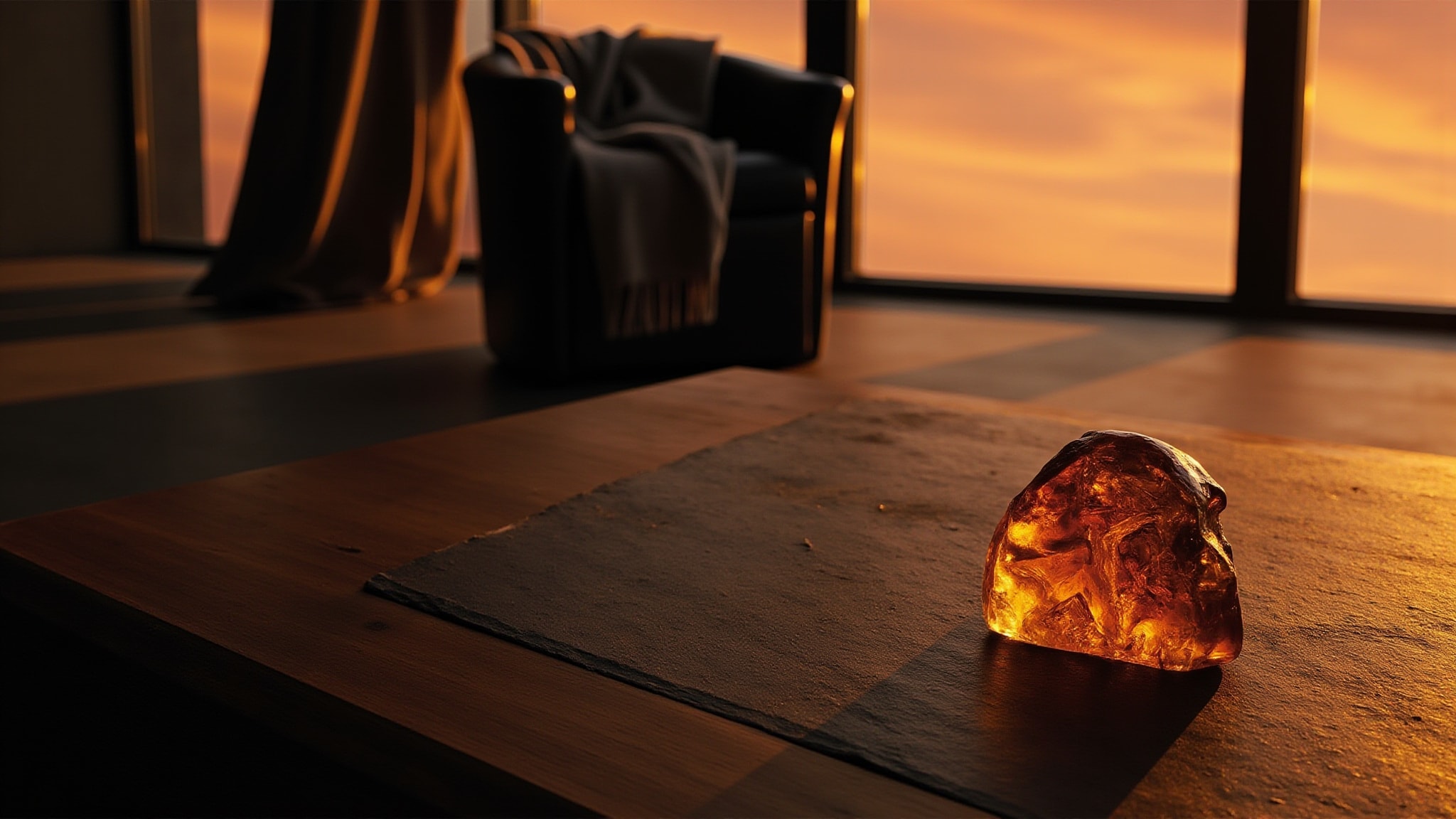
Most modern ambers lean on a familiar scaffolding of sweetness, building their warmth around vanillic bases and soft, balsamic resins designed for mass appeal. Otoori's Amber declines that template. The oriental notes in this composition carry the structural weight, and the amber accord grounds them rather than sweetens them. The result is a fragrance that smells less like a confection and more like a material in its raw state, closer to the resin itself than to the finished extrait that bears its name. That fidelity to source material is what makes Amber feel distinct from its contemporaries.
The evolution
Amber opens without fanfare. There is no citrus lift, no bright shock, no sudden announcement of what is coming. The oriental notes arrive almost immediately, dark and slightly smoky, carrying the kind of weight you associate with raw resin rather than with anything that has been processed into prettiness. Within the first fifteen minutes the composition thickens. What felt like smoke resolves into a low hum of wood and resin, warm but not sweet, close to the smell of a cedar box lined with amber chips. The heart phase, roughly the first two hours, is where the fragrance earns its name. The amber accord fully settles here, not as a glowing warmth but as something denser, almost mineral in its gravity. There is a powdery quality in the accord profile that surfaces at this stage, giving it a dry, slightly dusty texture like the surface of an old book left in afternoon sun.
Cultural impact
Amber holds a particular weight in the world of fragrance, a category that carries centuries of association with warmth, depth, and the kind of scent that lingers in memory long after the wearer has passed through a room. Otoori's Amber leans into that legacy with a composition that builds its structure around the oriental and woody notes rather than treating them as supporting elements. The amber accord here functions as architecture, as the framework upon which everything else is arranged. The result is a scent that feels connected to the longer history of resinous perfumery while remaining entirely its own creation.