
The Story
Why it exists.
The beginning
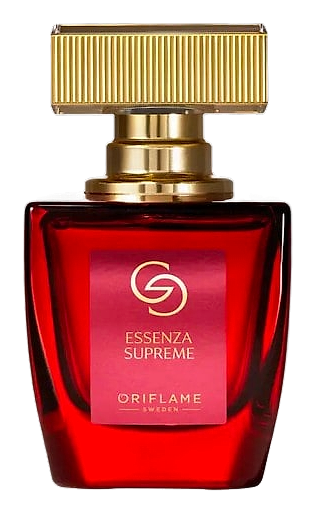
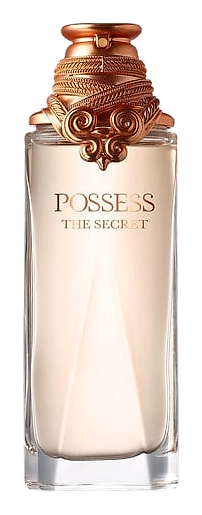
Possess The Secret Woman arrived in 2018 from Oriflame, the Swedish beauty brand that built its name on fragrances meant to travel person to person. For this release, the house turned to Fabrice Pellegrin, a perfumer whose work moves between structure and softness. The name itself is the brief: something that feels like a confidence shared, not performed. Pellegrin built the composition around that tension, starting crisp and ending warm, keeping the mystery in the drydown rather than the opening.
What makes this structure interesting is the hand-off between heart and base. The yellow apple and osmanthus don't simply fade, they get absorbed into the heliotrope and vanilla, which carry the scent into its longest phase. On skin that runs warm, the osmanthus can read almost meaty, a small ferocity that the powdery base gentles into something easier to live with. It's not a linear fragrance. It's one that rewards wearing rather than testing.
The evolution
The opening hits bright, bergamot and blackcurrant together, tart and immediate. Within twenty minutes the jasmine and orchid arrive, softer than expected, creating a floral heart that leans creamy rather than green. The yellow apple is the quiet connector, present but never shouty. By the second hour the florals begin to recede and the base takes over: heliotrope's powdery warmth, sandalwood's soft wood, and vanilla that finally arrives and stays. The drydown is this fragrance's real argument. On most skin it holds for six to eight hours, intimate and close, the kind of sillage that someone standing beside you will notice before you do.
Cultural impact
Oriflame has long occupied a unique space in European beauty culture, bridging accessible luxury with mainstream perfumery since its founding in Sweden in 1967. The Possess line represents the brand's most ambitious fragrance project to date, targeting women who seek distinctive, seductive scents without the inaccessible price tags of high fashion houses. The 2018 launch coincided with a broader cultural moment where consumers began rejecting the idea that luxury fragrance required elite exclusivity. Instead, a new generation of fragrance wearers embraced the democratization of perfumery, seeking scents that felt personal and intimate rather than status-driven.