The Story
Why it exists.
The beginning
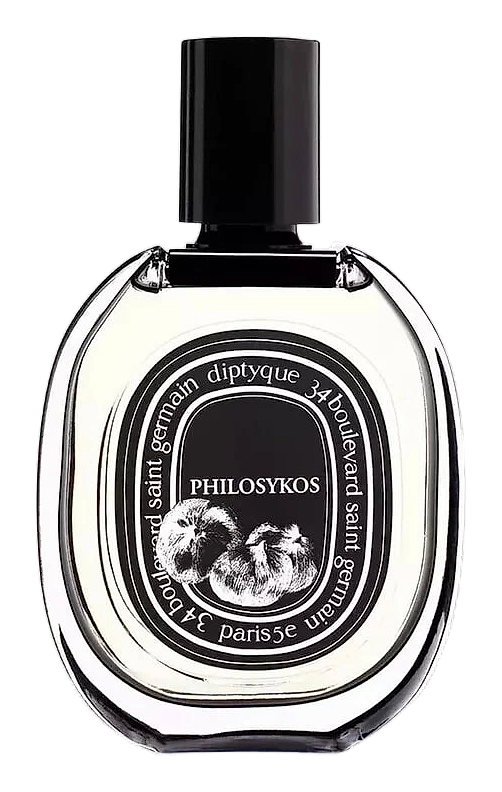
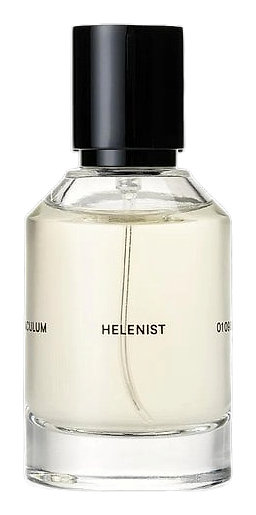
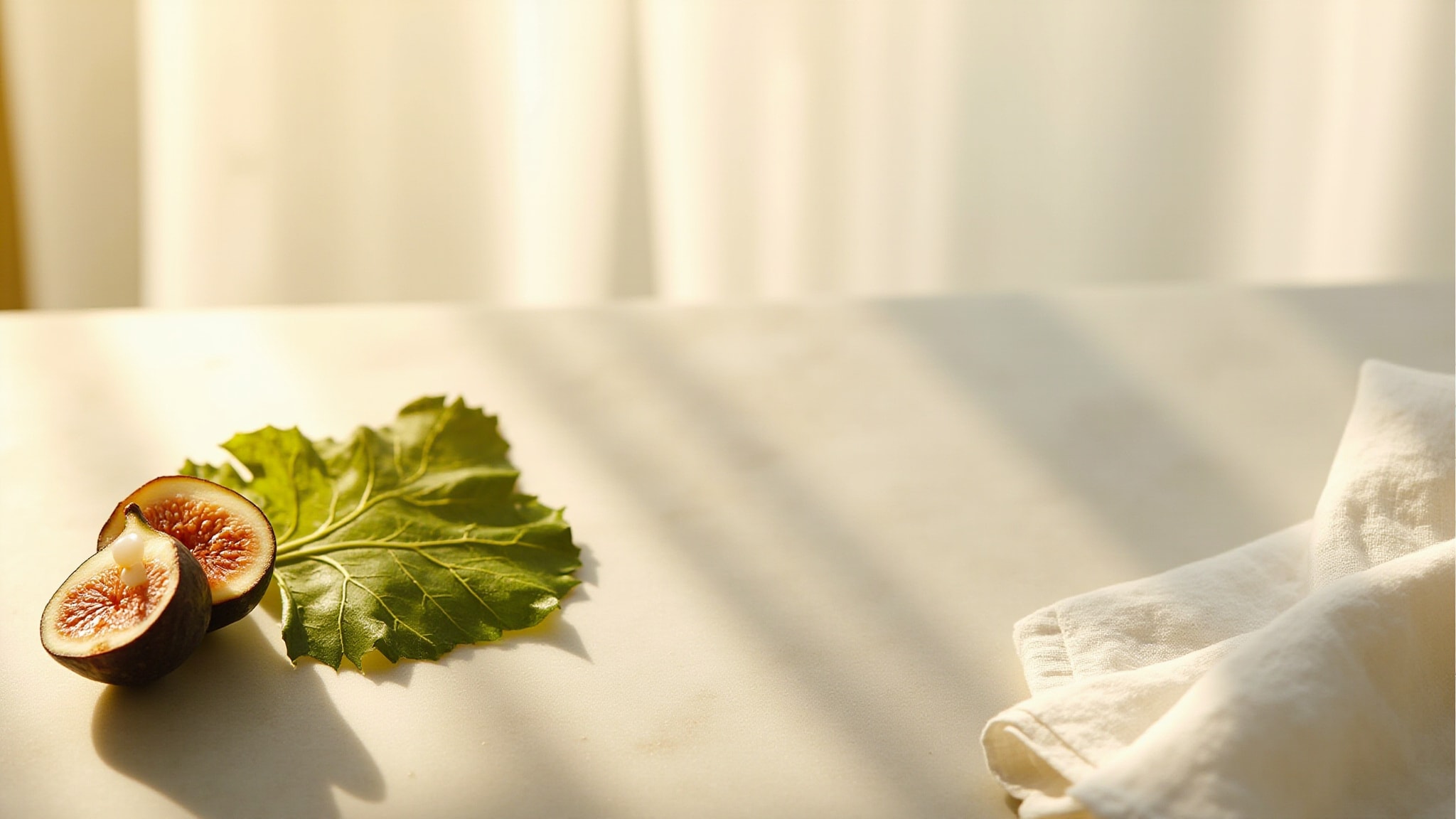
Helenist takes its name from Helen, not the myth, not the war, but the idea of her: radiance as a form of geography. A place where light lives differently. The brief was to build a fragrance around fig in its fullest form, not just the leaf or the fruit, but the entire plant, that green, slightly milky stem, the sweetness that develops as evening approaches. What arrived is a solar composition, unapologetically warm, built for someone who finds clarity in softness rather than sharpness. The Greek reference isn't decorative. It's a temperature.
Fig leaf as a top note is a deliberate choice that shapes everything that follows. It arrives green and immediate, that snap of cut stem, the faint latex of the fig tree, but it doesn't linger. It opens the door. Behind it, coconut milk softens the transition into something lactonic and creamy, a quality that sits at the unusual intersection of fresh and edible. Jasmine, lily of the valley, and violet then layer into the heart: white florals with different textures, jasmine with its indolic warmth, lily of the valley with its clean dewy edge, violet with powder. The combination doesn't shout. It hums.
The evolution
The first five minutes belong to fig leaf. Green, almost watery, a brief vegetal quality that clears quickly. Then coconut milk slides in, not suddenly but gradually, like cream stirred into something already warm. The transition is seamless, no gap, no harshness, and the lactonic quality that follows is the fragrance's quiet signature: sweet without being sugary, creamy without being heavy. The white florals arrive at the thirty-minute mark, jasmine first, then lily of the valley beneath it, violet threading through as powder rather than flower. This is the heart's longest phase. Cedar begins to show at the base around hour two, dry and warm, but sandalwood arrives more slowly, arriving fully in the final hour to extend a woody warmth that keeps the drydown from fading entirely. Musk is present throughout but never dominant, it reads as skin-warmth, not animal. On fabric, the coconut lingers longest. On skin, the woody drydown wins out.
Cultural impact
Helenist occupies an interesting space in the niche market: it's not trying to shock, not reaching for the extreme, not competing on intensity. It competes on wearability, the fragrance that someone reaches for when they want to smell interesting without smelling difficult. The Fig-Coconut-Lily of the Valley axis is uncommon enough to feel personal, common enough to feel safe. That's the move. ORACULUM built its catalog around this idea, six releases, each a specific mood, none redundant. Helenist is the solar one, the warm-weather one, the one that doesn't argue.