The Story
Why it exists.
The beginning
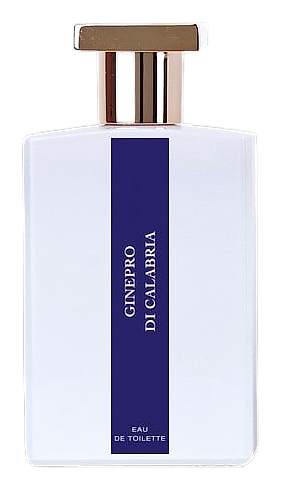
Ginepro di Calabria takes its name from the juniper berries that grow wild along the Calabrian coast, the toe of Italy's boot, where the Ionian Sea meets rocky hillside and the air carries salt and resin in equal measure. Andrea Marcoccia designed this fragrance in 2009, drawing on his travels through Italy's diverse landscapes and his interest in translating place into scent. The brief was simple: capture the aromatic intensity of the Italian countryside, where juniper, sage, and citrus grow within walking distance of each other. The result is a masculine fragrance rooted in place, not a fantasy of Italy, but the real thing.
What makes this composition work is the restraint at its core. Five top notes could easily create chaos, but Marcoccia structured them as a sequence rather than a chorus. The citrus opens bright and clean, bergamot, mandarin, sweet orange, then cedes space to juniper and lavender, which arrive together and create the fragrance's aromatic signature. Clary sage in the heart is unusual; it's softer than regular sage, with a faintly sweet, tobacco-like quality that bridges the fresh opening and the woody base. Oakmoss anchors the drydown, giving it a mossy, slightly bitter finish that recalls traditional fougère structures without mimicking them.
The evolution
The opening announces itself immediately, juniper and bergamot cutting through with a crisp, almost green quality. The citrus doesn't disappear but recedes, becoming a background warmth rather than a foreground statement. The transition to drydown is gradual, no dramatic shift, just a slow settling into musk and amber, with oakmoss providing the final word. The morning after, there's a faint warmth left, mostly amber and skin-musk.
Cultural impact
Ginepro di Calabria occupies a specific niche: the masculine aromatic fragrance for someone who finds modern designer releases too sweet or too loud. It appeals to collectors and traditionalists who appreciate the structure of classic fougères but want something with Italian character. The fragrance has remained in production since 2009, suggesting steady demand from a committed audience rather than trend-driven popularity.
The House
Officine del ProfumoOfficine del Profumo translates centuries of Florentine apothecary art into a contemporary fragrance line. Based in Florence, the house draws on the legacy of the Dominican monks who opened a medicinal shop in 1221 and later crafted scented waters for patrons of the Medici court. Today the brand releases modern scents such as Aquamarina (2009) and Magnolia Imperiale (2013) while preserving the laboratory practices of its ancestors. Each bottle invites collectors to experience a dialogue between history and present‑day olfactory curiosity.
The Creator
Andrea MarcocciaHis signature technique blends traditional Italian extraction methods with modern layering. He favors natural citrus absolutes, hand-pressed neroli, and sun-dried bergamot, pairing them with Mediterranean herbs such as rosemary and sage.