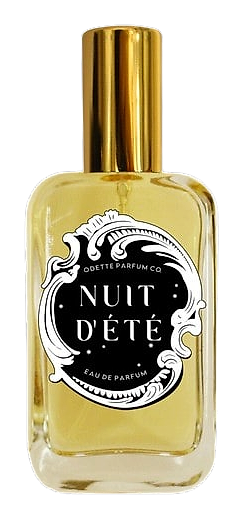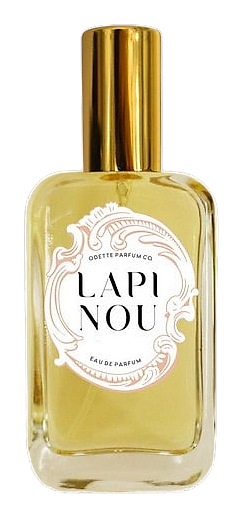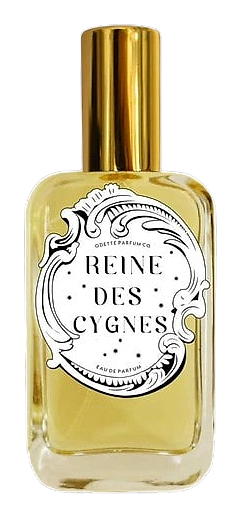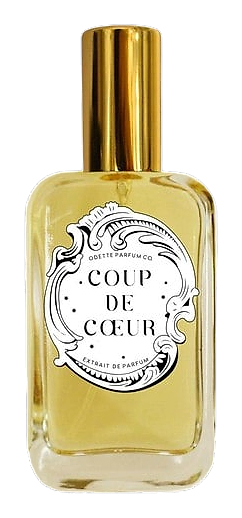
The Story
Why it exists.
The beginning
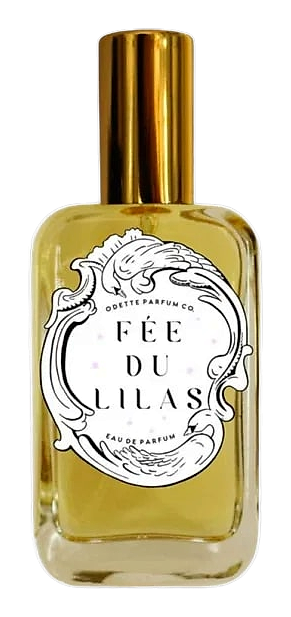
Fée du Lilas translates as Lilac Fairy, and the name is no accident. Odette Fontaine built it around lilac for her sister, whose favorite flower became the structural spine of the entire composition. The release marks a tribute in pastry-case sweetness, the kind of powdery softness that belongs to a dressing room more than a dining table. The formula leans into a narrative Fontaine has been refining: gourmand materials staged like dancers, each given space to breathe without stealing the scene. Lilac opens the composition with a green-edged softness, a springtime whisper rather than a shout, and that whisper sets the temperature for everything that follows.
What makes the composition interesting is the collision of registers. Mirabelle plum and sugar open with the sticky-fruit sweetness of a patisserie window, then tiare flower and meringue arrive to thicken the air into something almost edible. Milk softens everything further, the way warm dairy rounds the edges of honey in a pastry cream. But the base doesn't stay sweet. Frankincense and white cedar pull the whole thing into quieter, more contemplative territory, grounding the sugar in something resinous and faintly sacred. It's the tension between confection and incense that gives Fée du Lilas its strange staying power, the fairy is made of frosting, but she's floating through a church.
The evolution
The opening belongs entirely to lilac and mirabelle plum, sweet and slightly green, like walking past a hedgerow in late spring with powdered sugar still on your fingers. That pairing sets the tone before anything else has a chance to settle in, and it carries the composition through its most dewy phase. The tiare flower arrives as the heart develops, bringing a creamy tropical softness that some wearers describe as sunscreen-adjacent, though it reads more like warm milk steeped in something floral than any beachy association. Meringue thickens the texture without adding weight, and the composition becomes airier rather than denser as it moves through its middle stretch. The meringue effect is subtle, a textural gesture rather than a sugary one, and it helps bridge the floral sweetness with what comes next.
Cultural impact
Fée du Lilas sits in an unusual corner of the fragrance world, offering pastry-adjacent sweetness wrapped around a contemplative floral core. Wearers tend to describe it as a scent for people who treat getting dressed like a small ritual, the kind of fragrance that rewards attention rather than demanding it from a distance. The composition reads as deliberate without ever feeling heavy, a sweetness that knows when to step back and let the quieter materials carry the room.
The House
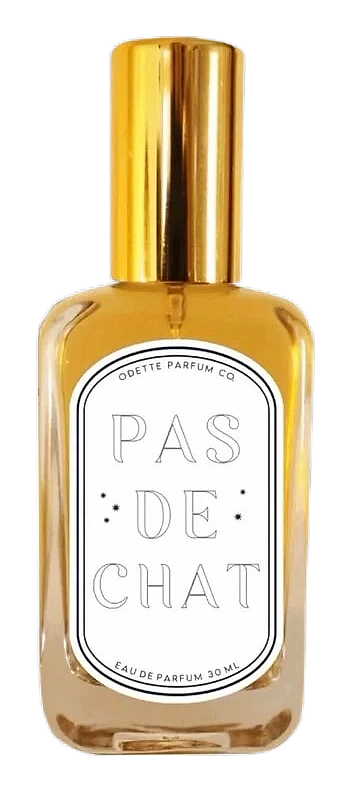
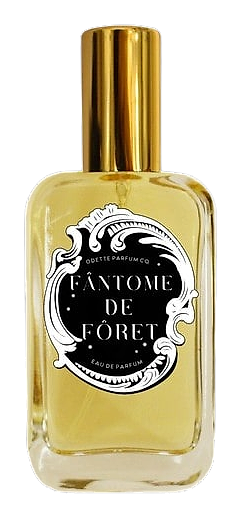
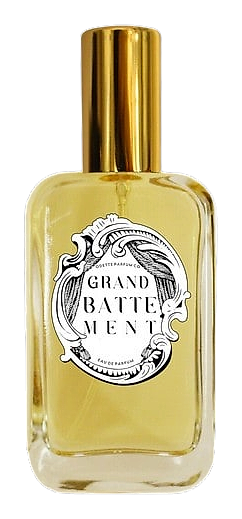
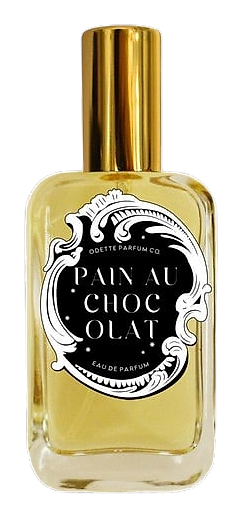
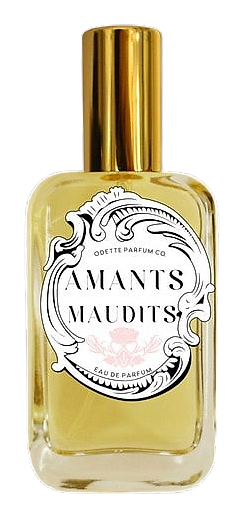
Odette Parfum CoOdette Parfum Co. is a niche fragrance house that blends the precision of French pâtisserie with the poise of ballet. Founded by Odette Fontaine, a former dancer turned pastry chef, the label offers gourmand scents that feel like miniature stage productions. Each bottle tells a story, from the airy sweetness of Pas de Chat (2023) to the dark romance of Amants Maudits (2025). The brand’s modest size lets Fontaine oversee every step, ensuring that the olfactory narrative matches the visual charm of each limited‑edition release.
The Creator
Odette FontaineHer olfactory vocabulary is unapologetically feminine in its references but avoids the clichés of the genre. Pastry notes appear in calibrated ways, not as sugary shortcuts but as warm, edible undertones woven into broader compositions.