
The Story
Why it exists.
The beginning
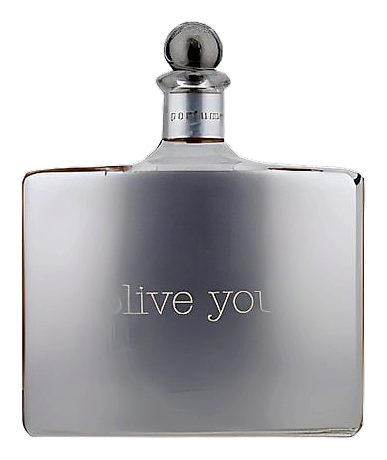
Olive You arrived in 2004 as part of Norma Kamali's expanding fragrance line. The composition takes its name literally. Olive. You. The concept is a love letter to the olive tree, stripped down to its most essential expression: the fruit itself, placed side by side with lime, sharp and bright. There is no floral middle, no gourmand base, no clever trick. Just two materials, placed side by side, asking whether simplicity can hold attention on its own. The lime opens with a near-electric brightness, almost sharp enough to make your eyes water, and it carries that cut-peel greenness into the first few minutes of wear.
Lime is sharper than most citrus notes used in fragrance, more aggressive, with a green-edged bitterness that can feel bracing or abrasive depending on the wearer. Pairing it with olive, an unusual choice that can read vegetal or soapy if not handled with care, makes this composition distinctive. The gamble is in the restraint, in refusing to add a conventional heart or base and forcing both notes to carry the full arc, top to bottom. It's a structural choice, not just a minimal one.
The evolution
The first minutes are immediate and loud. Lime hits with sharp, almost electric brightness, the kind that makes your eyes water slightly when you slice a fresh one. The olive appears underneath almost immediately, not as a separate note but woven through the citrus, giving it a savory undertone that keeps the opening from feeling like a cleaning product. The lime's sharpest edge softens fairly quickly, and what remains is a warmer, rounder citrus, still distinctly lime but now sitting in something that reads almost herbal. The olive deepens into a creamy, slightly waxy texture, the way real olive fruit feels between your fingers. As the composition wears on, it becomes quieter. The projection drops to a skin-level hum, and the two notes blur into something that smells less like separate ingredients and more like a single impression.
Cultural impact
Olive You arrived in 2004, a period when mainstream fragrance was dominated by sweetness, celebrity tie-ins, and loud, gourmand-heavy launches aimed at department store counters. Against that backdrop, a two-note composition built on lime and olive reads as quietly radical. The lime itself is unusually sharp and green-edged for a mainstream release, and the olive is even more so, a note that most commercial perfumers would consider risky because of its potential to read as vegetal, soapy, or just plain strange on a wider audience. Together they form a composition that owes very little to the prevailing aesthetic of its era.