The Story
Why it exists.
The beginning
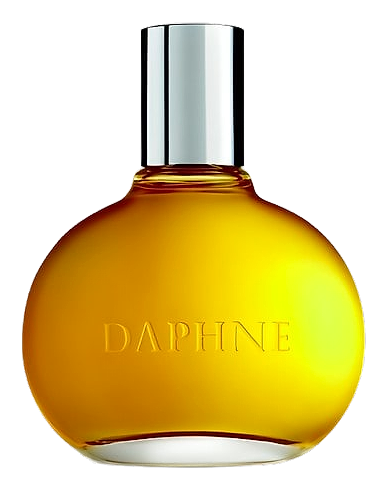
The first perfume by Daphne Guinness arrived in autumn 2009, created in collaboration with the house of Comme des Garcons and perfumer Antoine Lie. Guinness, heiress, muse, collector of Alexander McQueen's final collection, wanted something that didn't apologize for itself. The brief was simple: not another polite floral. The result was a baroque oriental built on incense, tuberose, and a stack of warm materials that most perfumers would never put in the same sentence.
What makes Daphne unusual is the way the warm spices don't soften the tuberose, they argue with it. The saffron arrives bitter, almost leathery, and it doesn't back down. The tuberose responds by going warm and slightly animalic instead of bright and creamy. It's a white floral that decided to stop being polite. That tension between cool floral and warm oriental is where the whole composition lives.
The evolution
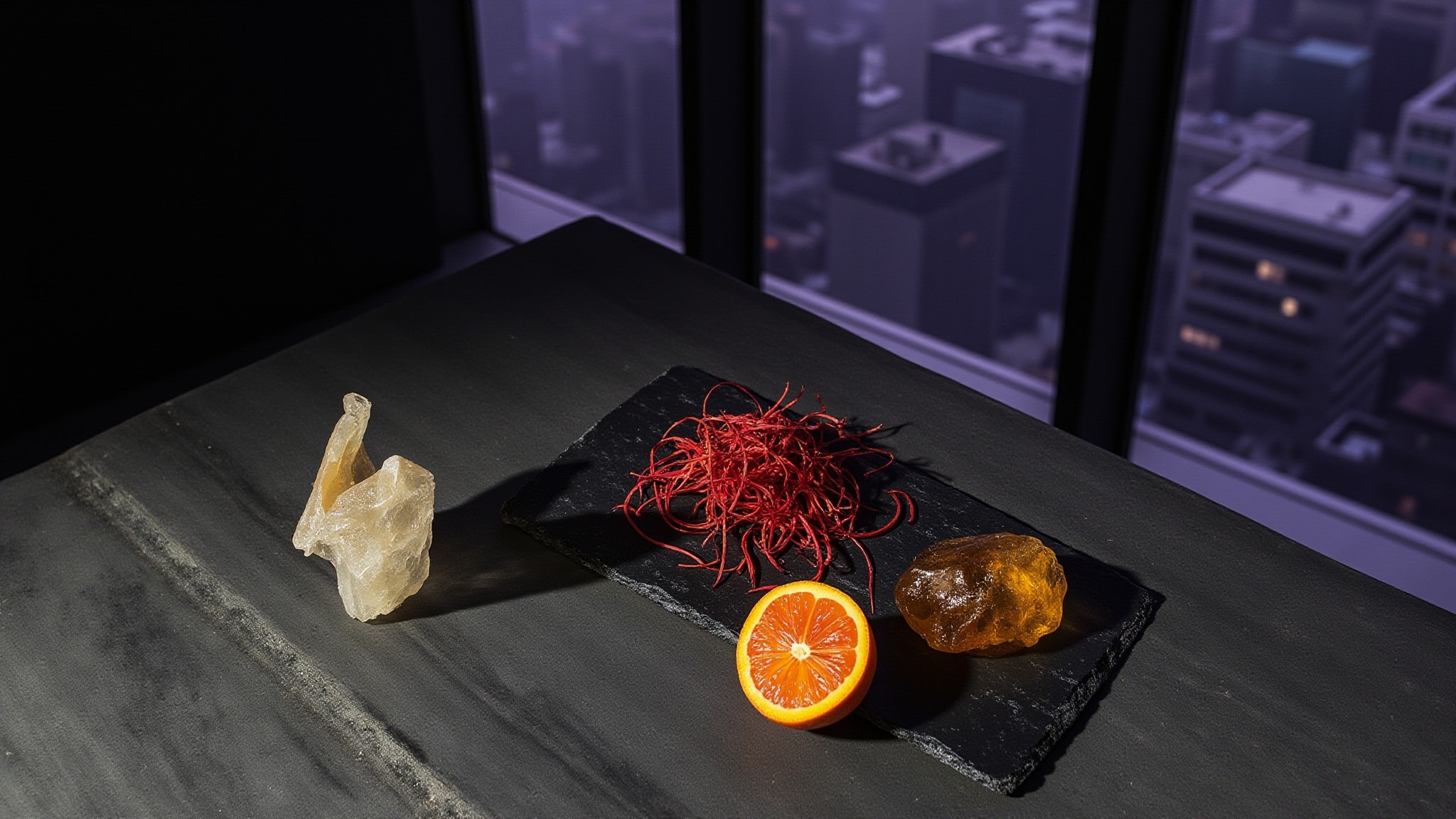
The opening hits sharp, bitter orange zest followed immediately by saffron's bitter, slightly leathery punch. Incense smoke curls in underneath, but the saffron has already announced itself. This phase lasts a solid thirty minutes before the tuberose takes over, blending with jasmine and rose into a warm, smoky floral heart. The iris adds a powdery, slightly metallic edge that keeps the florals from going creamy. By hour two, the base arrives: amber, vanilla, and oud settling into a warm, resinous drydown that stays close to the skin for hours after. On some skin, the oud threads through the entire wear like a dark vein, a tell only someone standing very close would notice.
Cultural impact
Daphne occupies a specific corner of niche fragrance, rich enough to polarize, complex enough to reward wearing it multiple times. The strong sillage and 8-10 hour longevity make it a fragrance for people who want to be noticed. It's the kind of scent that works best in cooler seasons when its warmth can develop fully.