
The Story
Why it exists.
The beginning
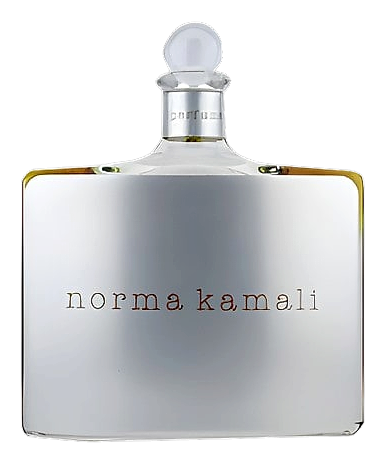
Zagara takes its name from a word associated with the famous Italian orange blossom, a flower long linked in fragrance lore to a particular kind of feminine mystique. Norma Kamali translated that connection into composition when the fragrance appeared in her collection, positioning it as a meditation on orange blossom at full strength. The accords listed for the scent are citrus, fresh, white floral, green, and sweet, with African orange flower as the single confirmed note. Reading them in order tells the story: citrus for the bright peel, green for the bitter leaf, white floral for the narcotic heart, and sweet as the trailing edge of warm honeyed petals.
What makes Zagara singular is its restraint in every direction except the one that matters. There is no laundry musk cushioning the neroli, no sugary base to sweeten it. The composition leans on African orange flower, the water-distilled neroli rather than the denser solvent-extracted absolute, and that distinction matters more than it sounds.
The evolution
On skin, Zagara opens at full volume and doesn't apologize. The first ten minutes are green and sharp, the neroli presenting itself with a faintly bitter edge that smells like crushed leaves caught between your fingers after pulling a branch. There is no pretense of lightness. The floral sweetness arrives within the first hour, heavy and almost waxy, the way real orange blossom trees smell from directly underneath, not the polite suggestion of orange blossom you get in most commercial florals. By hour two, the green has softened into something more honeyed, though it never quite tips into syrupy. The drydown is the surprise. Where most single-flower fragrances simply fade, Zagara settles into a clean musk-adjacent warmth that clings to fabric.
Cultural impact
Zagara occupies a particular corner of the orange blossom category, fragrances built around neroli at full strength rather than the softened, sweetened version found in mainstream commercial florals. It reads closer to a true neroli composition, the water-distilled oil treated as the protagonist, than to the polite floral hearts of typical department store launches. One reviewer drew a direct comparison to L'Occitane's discontinued Neroli Eau de Parfum, noting the shared density, which signals where the fragrance sits in the broader landscape of neroli-driven scents.