The Story
Why it exists.
The beginning
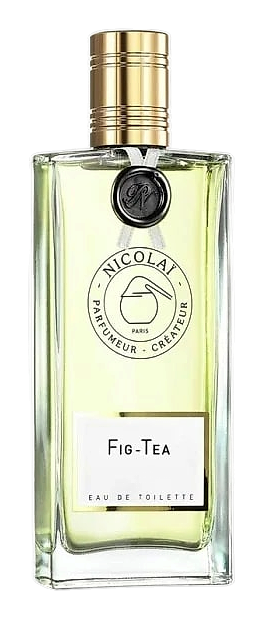
Released in 2000, Fig-Tea arrived as part of Patricia de Nicolaï's ongoing exploration of what a fragrance house could be. She moved through formal training, learned the architecture of classical French composition, and at some point struck out on her own to write perfumes her way. Fig-Tea was her proof that an eau de toilette could carry real structure, real materials, and still feel like a breeze through a half-open window. The name promises something very specific: the scent of tea, the scent of fig. Patricia de Nicolaï being Patricia de Nicolaï, she didn't deliver either literally. What she made instead is a composition that orbits both notes without ever landing on them head-on, the way a talented cook might suggest a flavor without repeating the ingredient on the plate.
The choice to build around osmanthus rather than actual fig is what gives Fig-Tea its particular cleverness. Osmanthus absolute carries that leathery, apricot-skin warmth that people mistake for fig or dried fruit, but it adds a tea-like tannic edge that no fig note can replicate. Pair it with orange and the opening reads as fruit punch cut with citrus zest. Then the coriander and davana pull the whole thing sideways, introducing a herbal, almost boozy greenness that makes the fig an impression rather than a literal fruit.
The evolution
The first 15 minutes are deceptively simple. Orange zest and osmanthus open bright and almost candy-like, the kind of sweetness that makes you check your wrist twice because it seems too easy for something with this much structure underneath. Around the 20-minute mark, the jasmine starts to surface, and the davana does something strange: it adds a fruity, slightly fermented warmth that smells closer to ripe stone fruit than to anything floral. The coriander hums in the background, celery-like and green, keeping the whole thing from tipping into dessert territory. By the end of the first hour, the architecture changes. The osmanthus fruit impression fades, and the maté absolute begins to take over, giving the composition a dry, leafy, slightly smoky quality like the dust at the bottom of a tea tin. Guaiac wood creeps in underneath, adding a deep, almost rubbery warmth that grounds the earlier brightness.
Cultural impact
Fig-Tea has settled into the kind of quiet reputation that gets passed between friends rather than splashed across magazines. It's the sort of fragrance someone recommends in a sentence like, "If you want something green but not sharp, something structured but not stiff, try this." The composition earned its following by wearing well across seasons and across skin types, by holding its shape in summer heat without going flat, and by sitting comfortably next to whatever else lives in a perfume wardrobe. What makes it click is the balance.