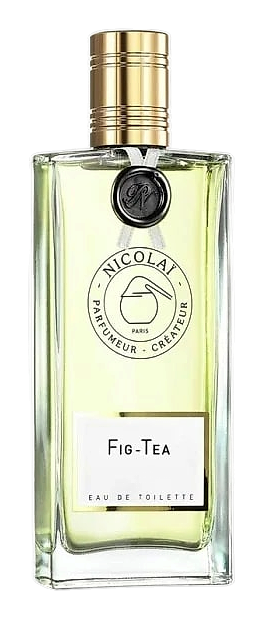
Heritage
A house, in its own words
Patricia de Nicolaï grew up inside the Guerlain dynasty, a granddaughter of Pierre Guerlain himself. She trained at ISIPCA, the celebrated perfumery school in Versailles, before working in product development at major houses. By the late 1980s she was ready to chart her own course. In 1989, alongside her husband Jean-Louis Michau, she founded Parfums de Nicolaï, reportedly the first time a woman had launched a perfume house under her own name. The debut collection arrived with a clear ambition: to create scents of classical French refinement without the compromises of large corporate perfumery. The house found its audience quickly among those who valued composition and material quality over marketing spectacle. Patricia de Nicolaï became a visible voice in the niche movement, and in 2014 she was elected president of the Osmothèque, the international perfume conservatory based in Versailles, a role she has used to champion fragrance heritage and education. The brand remains independently owned, still guided by Patricia and Jean-Louis, and continues to release new compositions while revisiting some of its earliest creations. Expansion into markets such as Australia has brought the house to a broader international following, though the brand has kept its identity rooted in Paris and the traditions of French fine perfumery. Nicolaï treats perfumery as a craft, not a marketing exercise. Patricia de Nicolaï writes her own formulas and insists on working with natural raw materials whenever a composition calls for them. The house resists the temptation to chase trends, instead favoring structures that feel considered, wearable, and built to last on skin. There is a democratic streak running through the brand. Where many heritage houses price their creations at a premium, Nicolaï has long been noted for offering genuine quality at accessible price points, a choice Patricia has tied to her belief that fine fragrance should not be reserved for the few. This ethos pairs naturally with her independence: no corporate brief, no committee, no licensing deals. Every decision passes through the same creative sensibility that produced the first collection in 1989. The result is a house that feels both old-fashioned and progressive. Classical enough to satisfy devotees of traditional French perfumery, yet modern in its openness, in Patricia's role as a mentor to younger perfumers, and in her public advocacy for the craft through the Osmothèque. Nicolaï proves that heritage and independent thinking can coexist on the same shelf.