
The Story
Why it exists.
The beginning
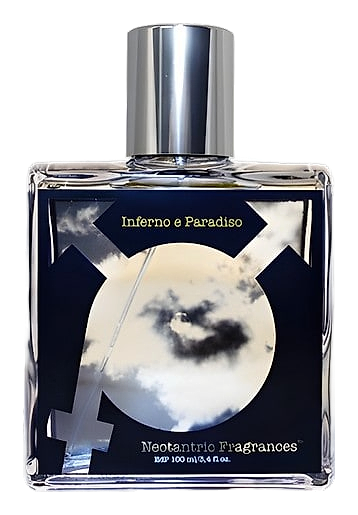
Inferno e Paradiso arrived in 2012, carrying its title like a manifesto. Italian for 'Hell and Paradise,' it refuses the single register. Bright citrus opens before darker elements emerge, creating immediate tension. The contrast is intentional, a dance between light and shadow. As it develops, layers pull in different directions while somehow holding together.
What makes this composition unusual is how frankincense and plum operate as a single entity rather than sequential notes. Incense brings smoke and a faintly medicinal depth; plum brings fruit without brightness. Together they form a middle ground that smells like nothing particularly sweet and nothing particularly austere, just deeply present. The structure refuses the usual oriental playbook of loud opening, softer heart, warm drydown. Instead, it builds sideways, accumulating dimension rather than transforming.
The evolution
The bergamot in the opening is there and gone, a brief citrus clarity before the composition commits to its darker register. Saffron lingers in the top layer, lending a dry, slightly metallic heat that threads into the heart. The heart arrives with plum and incense becoming indistinguishable, two materials doing the same job of drawing warmth and shadow. This phase unfolds with remarkable persistence, drawing you deeper into the fragrance's complexity. The drydown is where sandalwood and tonka bean take over. Patchouli keeps it grounded. Amber stops it from floating away entirely. The sillage remains intimate throughout, never overwhelming the space around you. On skin, the fragrance accompanies you through hours of wear, evolving continuously without ever fading abruptly. Each stage reveals something new, inviting you to rediscover it again and again.
Cultural impact
Neotantric occupies a specific corner of niche perfumery: fragrances that function as conversation starters or, depending on your view, obstacles. Inferno e Paradiso falls in the latter category, not because it's unpleasant, but because it demands something from the wearer. It doesn't recede into the background. The fragrance stands firm, refusing to be a passive presence. It asks something of the space it enters and the people who encounter it.