
The Story
Why it exists.
The beginning
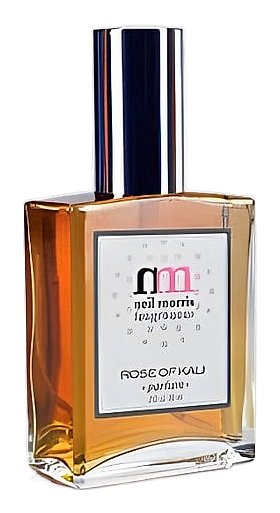
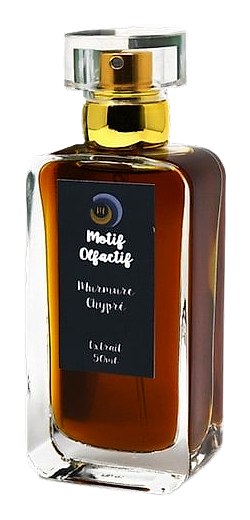
Rumi takes its name from the 13th-century Persian philosopher, mystic, and poet. That's a tall order for a bottle of parfum. Neil Morris, the perfumer behind the fragrance, has built his practice around translating private, memory-driven obsessions into scent, a craft that places storytelling and emotion at the center of composition rather than trend or novelty. By 2009, when Rumi joined The Vault Collection, the house had refined its approach, settling on a philosophy where fragrance functions as personal narrative. Rumi is one of those narratives, an ode to a man who turned suffering into beauty and made the two inseparable. The composition reflects that tension: five notes, no filler, each one carrying more emotional weight than most accords manage with twenty.
Five notes. That's the whole pyramid: amber, ylang-ylang, rose, benzoin, and patchouli. What makes that list unusual is the absence of citrus, spice, or anything conventionally bright to cut through. There's no sparkling top to pull you in. Instead, Rumi opens on materials that are already deep, already resinous, already heavy. The ylang brings a dense, almost overripe floral quality, the kind of tropical sweetness that borders on indulgence rather than brightness. The benzoin adds that raw, doughy sweetness, sticky and slightly vanillic, reminiscent of warm resin fresh from the tree.
The evolution
The opening lands heavy. Benzoin hits first, sticky and warm, with ylang's dense tropical sweetness right behind it. Patchouli is already present, dark and unapologetic, the kind that smells like the inside of a leather bag left in the sun. The rose arrives early in the wear, but it doesn't float. It sinks into the amber, becomes part of the weight rather than rising above it. As the composition develops, it settles into a resinous plateau where amber and benzoin do most of the talking, warm, slightly sweet, with rose adding a dusty, almost dried-petal quality underneath. The patchouli never leaves. It just gets quieter, more refined, less headshop and more library, evolving from a bold, raw presence into a smooth, almost woody undertone that anchors the later stages of the wear.
Cultural impact
Rumi takes its name from the 13th-century Persian philosopher, mystic, and poet, and the parfum wears that name with a certain gravity. Wearers describe it as bookish, contemplative, the kind of thing that suits a second-hand bookshop more than a boardroom. It skips the oud and the spice rack that dominate so many heavier compositions, choosing instead to build warmth from amber, benzoin, and patchouli alone. This restraint gives the fragrance a distinctive character, one that feels rooted in literary and poetic tradition rather than orientalist cliché.