The Story
Why it exists.
The beginning
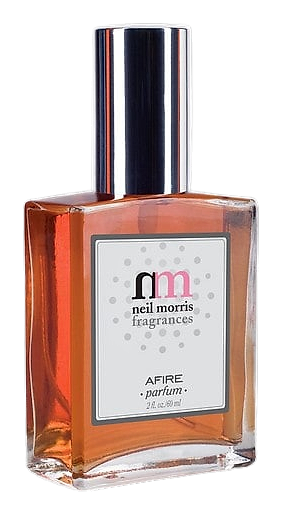
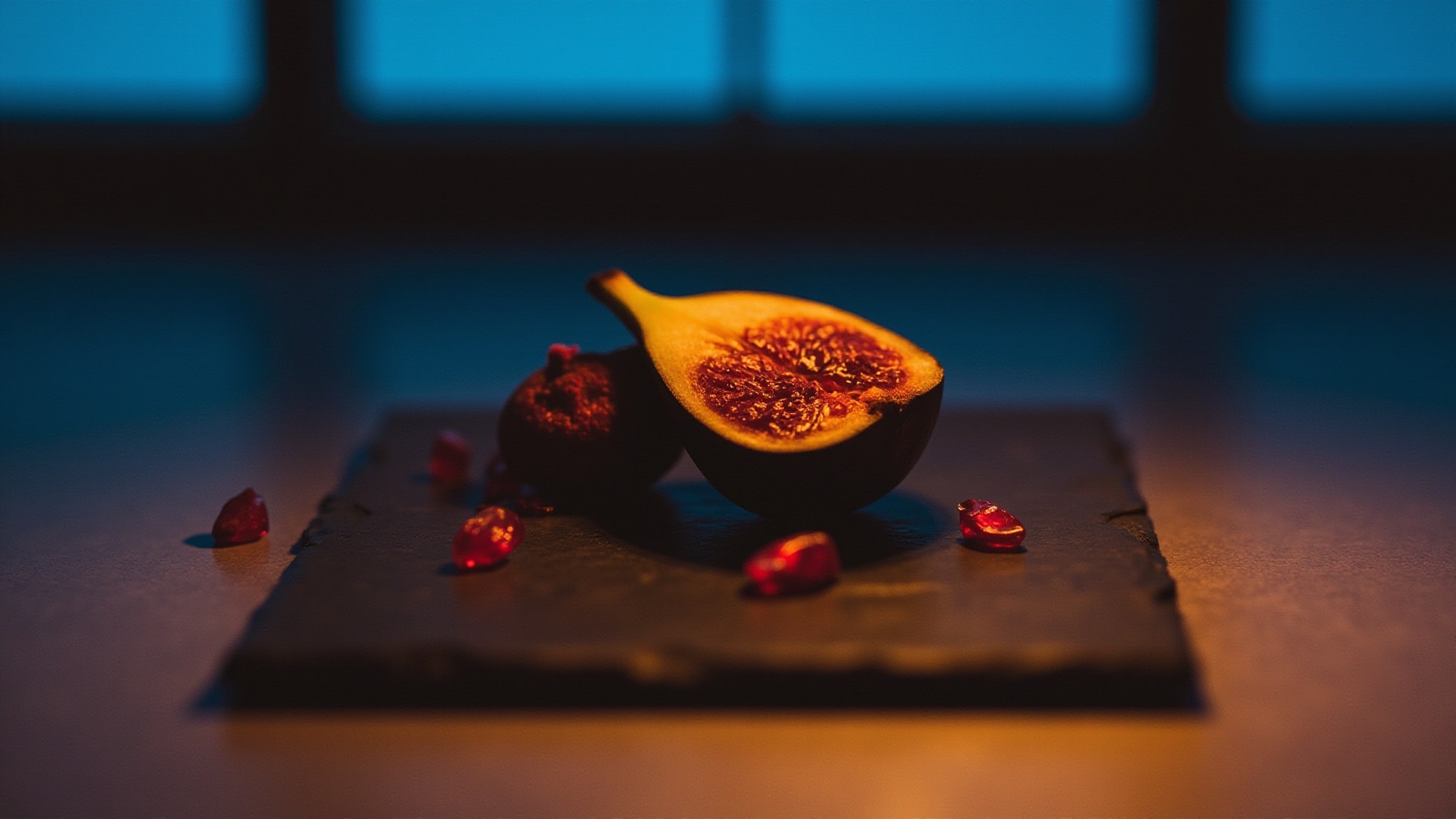
Ayour arrived from the Boston studio of Neil Morris, a perfumer who has been designing fragrances since the 1960s. The house treats every fragrance as a personal narrative rather than a market product. Ayour sits firmly in that tradition. Its composition follows a deliberate image: aldehydes flash cold and bright, pomegranate and fig give it flesh, then elemi and cedarwood build the architecture underneath. The base is where the fragrance finds its center. Frankincense and agarwood take over, and the scent becomes resinous, slow, and curling, an incense character that settles rather than announces. The opening is a study in contrast: the aldehydes arrive with a metallic crack that feels almost electrical, and the fruit underneath reads dark and weighty rather than decorative.
What makes the composition worth a second look is how the top notes are used. Aldehydes here read metallic and icy, almost like the flash of light off cold glass before a fig splits open. Pomegranate and black fig then soften that opening into a fruited warmth that feels ripe and weighted rather than syrupy. The middle notes, cedarwood and elemi, do less decorative work than structural work. Elemi adds a green, almost lemony brightness that keeps the fruit from collapsing into jam.
The evolution
The opening is sharp and almost disorienting. Aldehydes hit cold and waxy, pomegranate seeds crackle underneath, and the fig is there but contained, bruised rather than ripe. The brightness of that first phase reads as deliberate, a clean crack of light before the warmer notes surface. As the composition moves forward, elemi shows up with a bright, peppery lift that cuts through the fruit and opens the scent vertically, like a window thrown open in a warm room. Cedarwood follows, dry and pencil-shaving clean, grounding what was until now mostly atmospheric. The transition into the base is a genuine shift in character. The fragrance stops being fruity-woody and becomes resinous, smoky, almost ecclesiastical. Frankincense dominates, dry and slightly camphorous, with agarwood sitting underneath like a banked fire. This phase carries the longest.
Cultural impact
Ayour occupies a particular place in the perfumer's catalogue. Wearers describe it as monastic and warming, the scent of someone who reads by candlelight and doesn't need the room to notice them. It's a composition that rewards close attention, best appreciated slowly and at close quarters. The fragrance leans devotional rather than decorative, and its resinous base gives it the gravity of something meant for evening wear, for quiet rooms, for moments when scent becomes atmosphere rather than accessory.