The Story
Why it exists.
The beginning
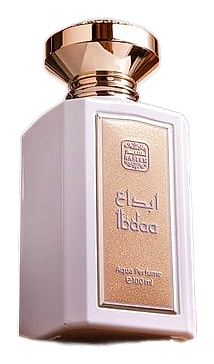
Ibdaa arrived in 2022 from Naseem, and the composition itself is a study in calculated contrast. The formula pairs smoky agarwood with soft peony, aldehydes, and white musk, and none of those notes behave the way you'd expect. The agarwood doesn't smother. The peony doesn't decorate. They push against each other in a way that gives the structure a slightly unsettled, restless energy from the first spray. The aldehydes lift everything, almost soapy and bright, while the white musk settles underneath as a soft, clean skin-warm base. The peony threads through the center, giving the composition a rounded floral heart that keeps the smoke from going dense or syrupy.
What makes Ibdaa structurally interesting is the tension between aldehydes and oud. Aldehydes are sharp, almost metallic, and they lift. Oud is heavy, resinous, and it pulls you down. Most compositions that use oud let it dominate. Here, the aldehydes keep the opening bright and clean, almost soapy, while the peony adds a soft floral center that the smoky base can lean against. The leather and white musk bridge those poles.
The evolution
The first ten minutes are all about flash. Aldehydes crack the air open with that cold, fizzy lift, and the peony and leather arrive together, giving the composition a powdery warmth, like skin after a long walk in cool air. The white musk keeps it intimate, holding everything close to the body. By the second hour, the oud starts to assert itself. This is a clean, smoky oud with a dry, almost incense-like character, more woodsmoke than anything dirtier. The cedar and moss anchor it, and the amber underneath adds a low hum, a warm resinous glow that sits just below the surface. The drydown is where Ibdaa shows what it's made of. What remains is a warm leather-oud-amber skin scent that clings to fabric and stays put. Spray it on a jacket, and that jacket will smell like this for days.
Cultural impact
The composition's use of aldehydes and peony against a smoky oud base gives it a distinctive character within the resinous fragrance space. The powdery, floral opening offers a lighter entry point than what agarwood compositions typically present, while the animalic and smoky accords in the base keep the structure anchored in the heavier, more resinous tradition. The result is a scent that holds two registers at once, bright and grounded, floral and smoky, lifted and dense. The aldehydes give the first spray a clean, almost sparkling quality, and the peony softens the transition into the heavier base notes without disappearing.