The Story
Why it exists.
The beginning
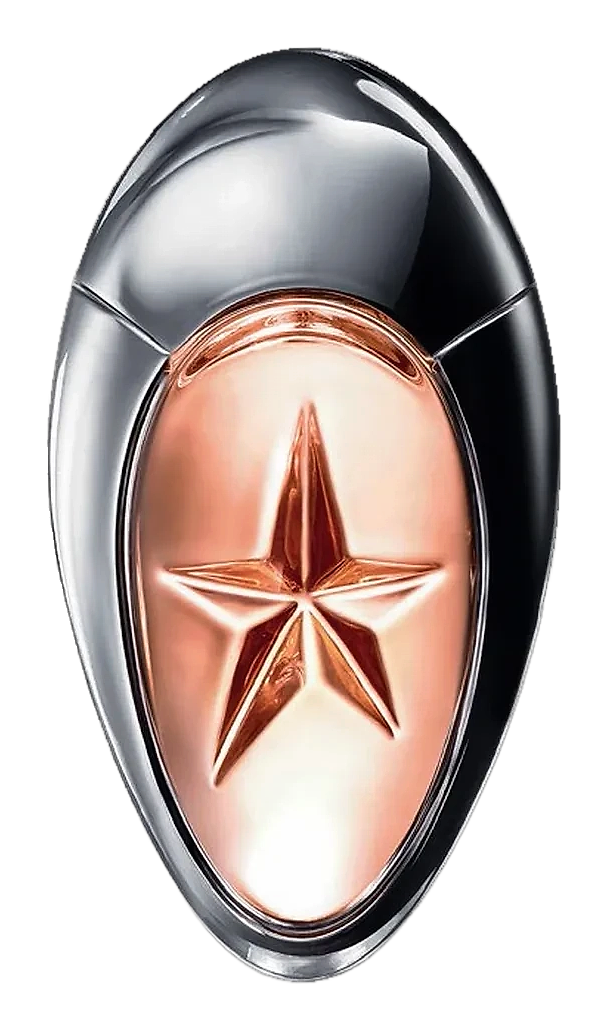
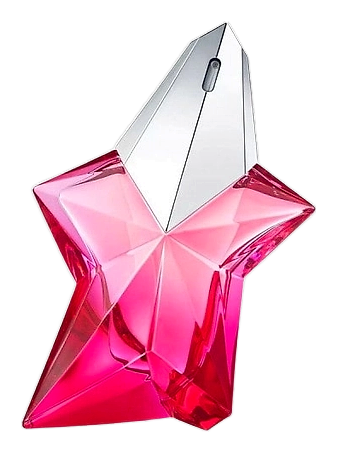
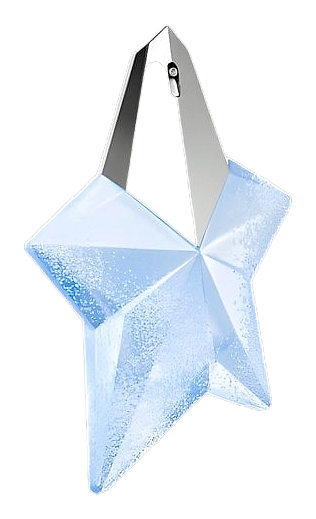
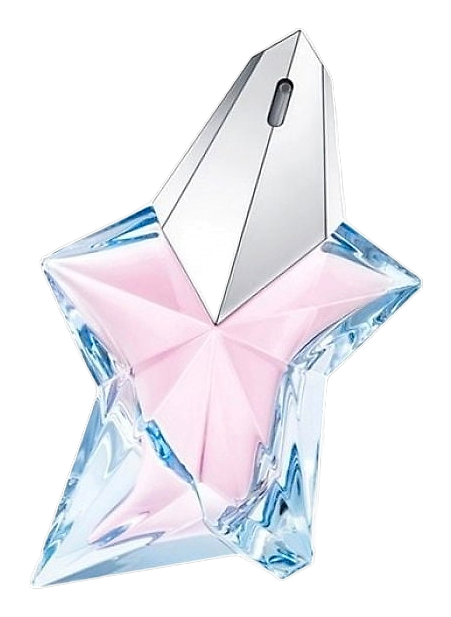
Angel Eau de Toilette arrived in 2019, more than two decades after the original Angel first landed. The brief was clear: take the legend's DNA, the patchouli that defined the house's signature, and translate it into something brighter, fruitier, younger. Louise Turner, working on the formula, dialed in peony and mandarin at the top, praline and red berries in the middle, and let the patchouli carry the floor. She layered in apple for a juicy lift and cedar for a woody undertow, building a composition that respects the original architecture while opening the door wider. The result isn't a reinvention.
Mugler has long built its fragrances around a single dominant ingredient pushed beyond what most houses would dare. Angel's original architecture was a wall of patchouli anchored by a gourmand sweetness that rewrote the rules of what a perfume could smell like. The 2019 EDT keeps the patchouli but swaps the heavier sweetness for a fruitier praline accord, lighter on the tongue but still unmistakably indulgent. Turner gave it a peony-mandarin opener that the original's structure didn't include, softening the entry while leaving the overall skeleton intact.
The evolution
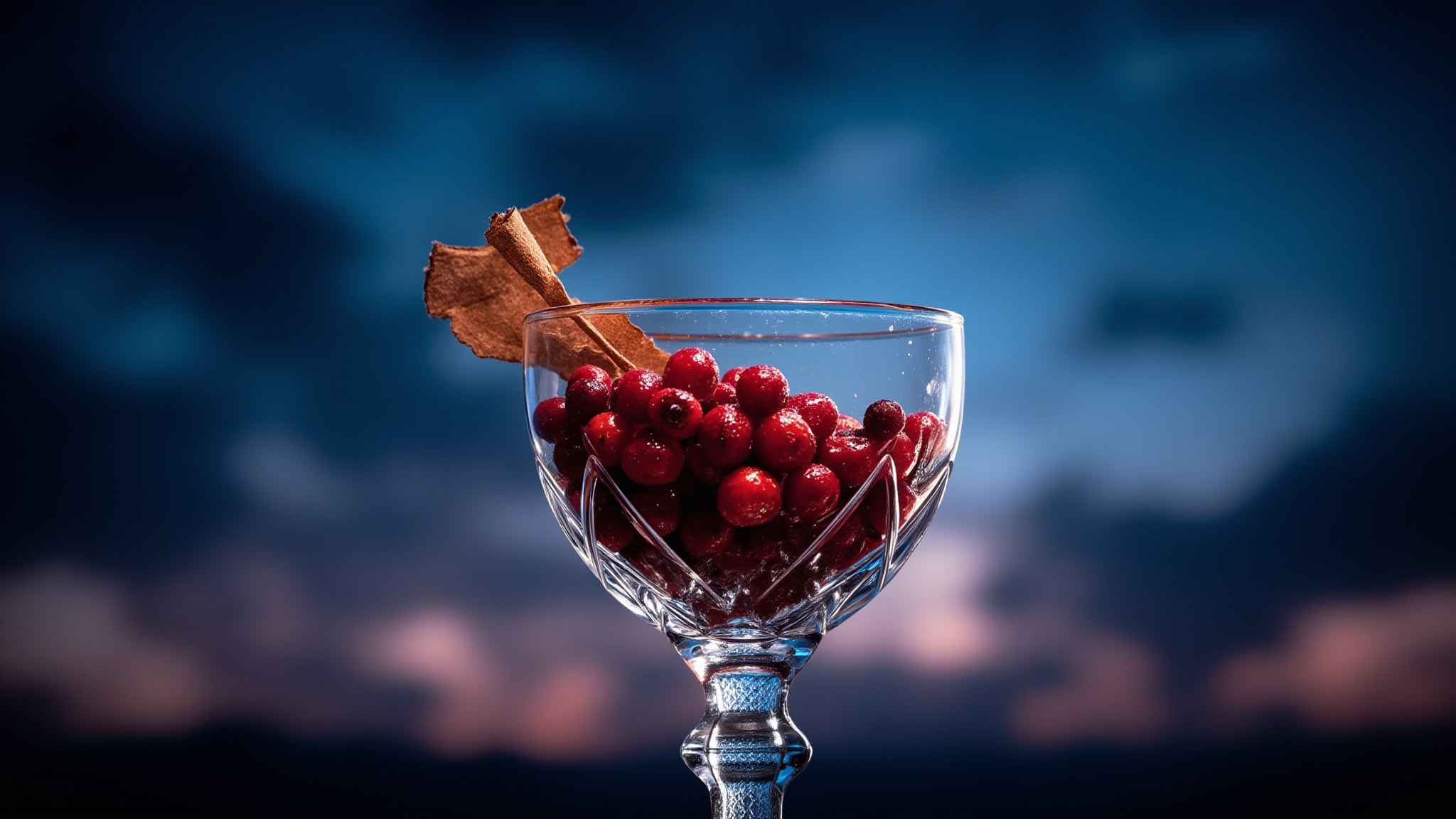
The first ten minutes are bright, almost deceptively so. Mandarin lifts the whole composition, and the peony adds a clean floral sheen that reads more spring garden than candy shop. This is the bait. Around the twenty-minute mark, the praline starts climbing. It doesn't knock the brightness out; it joins it, weaving through the mandarin like a thread of caramel through citrus. Apple and red berries round out a heart that smells like a dessert table that's been set up next to a bowl of fruit, the berries tart enough to keep the praline honest. By hour two, the patchouli is fully online. It doesn't announce itself, it just takes up more space, pushing the sweetness into something darker, denser, more grounded, the way dusk turns a bright afternoon into something richer without warning.
Cultural impact
Angel EDT 2019 exists in the shadow of a giant. The original Angel, launched in 1992, split opinions for decades and redefined what a mainstream fragrance could smell like, dragging patchouli and gourmand sweetness out of niche territory and into department store rotation. This lighter, fruitier version is the entry point: easier to wear, less polarizing in the first spray, but unmistakably Angel once the patchouli settles and the cedar grounds the composition. It reads as a softening, a translation, the same patchouli backbone filtered through mandarin, peony, apple, and red berries before it ever reaches the skin.