The Story
Why it exists.
The beginning
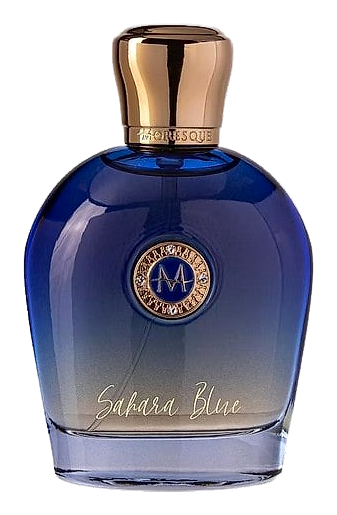
Sahara Blue takes its name from a contradiction. Desert and ocean. Heat and depth. The Art Collection framing gave the perfumer room to work with materials that carry weight: not just the expected citrus burst but oakmoss and seaweed as actual base notes, not decorative afterthoughts. The result is a fragrance that earns its blue designation by being cool rather than sweet, mineral rather than aquatic. There is an inherent tension in the name itself, a pull between sun-drenched warmth and something deeper, more introspective. The composition threads these opposing currents together, creating a scent that feels both expansive and grounded, luminous without tipping into sweetness.
The heart layer is where this composition earns its complexity. Coriander and lavender are an unusual pairing, the coriander brings a savory, slightly peppery quality while the lavender softens and sweetens, creating an aromatic middle ground that neither herb alone could achieve. Jasmine sambac threads through with a warm floral note that tempers the sharper edges. Together, these three elements create a middle register that moves beyond simple freshness into something more nuanced and deliberate.
The evolution
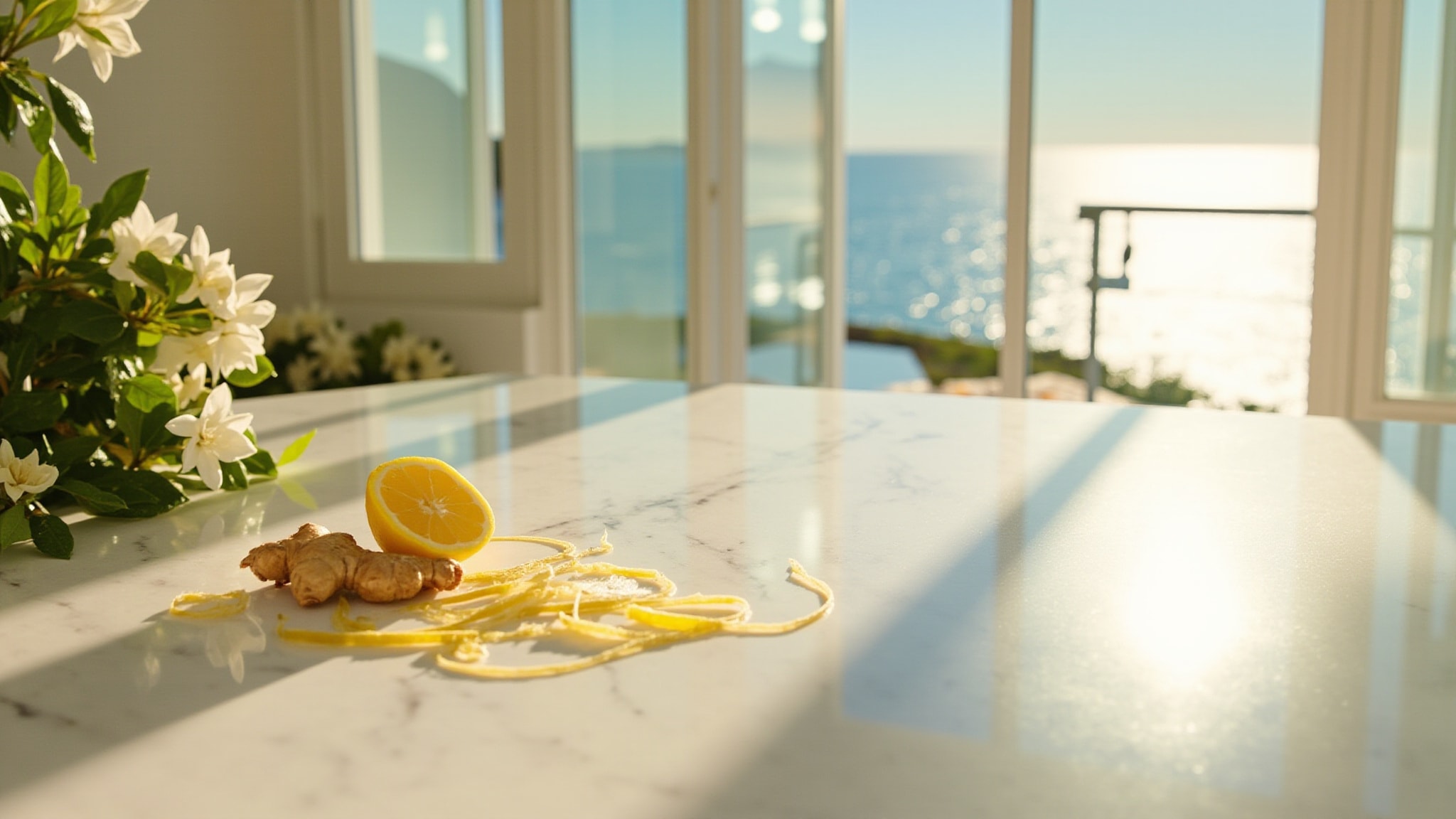
The opening hits citrus and ginger, bright and immediate. Pink pepper adds a quiet warmth underneath while Granny Smith apple arrives crisp, almost tart. For the first 30 minutes, this is pure summer morning, clean heat, no ambiguity. Then the handoff happens. Coriander and lavender emerge together, shifting the register from fresh to aromatic. The jasmine sambac sweetens the turn without reversing it. The lemon does not disappear, it retreats. By hour three, the oakmoss takes over. This is the tell. Amber and white musk warm the base without sugaring it. The transition feels intentional rather than abrupt, each phase bleeding naturally into the next as the fragrance reveals new dimensions over time. The oakmoss fades from protagonist to background character but never fully leaves.
Cultural impact
Released in 2018 as part of the Art Collection, Sahara Blue occupies a specific niche within the fresh fragrance category. The composition blends bright citrus top notes with a deeper mossy foundation, creating a scent that works across different contexts. Its versatility allows it to read as summer-bright in warm weather while maintaining enough complexity for cooler seasons. The interplay between the citrus opening and the oakmoss base gives the fragrance a distinctive character that sets it apart from simpler fresh fragrances.