The Story
Why it exists.
The beginning
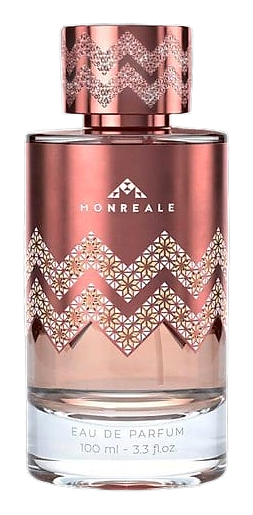
Dessert Flower is composed by Thomas Tsavdaridis, the perfumer behind Monreale, and it carries the kind of confidence that suggests the brief was simple: make something that smells like what it is. The fragrance sits in the Monreale catalog alongside other compositions from the same house, each one built with a similar directness. Tsavdaridis approaches perfumery as a portraitist, treating a composition as a captured mood rather than a decorative gesture, and Dessert Flower reads exactly that way. There's warmth, there's appetite, and there's a particular glow that feels less like a marketing concept and more like something you'd actually want to wear. The name itself suggests indulgence without apology, a scent that knows what it is and refuses to dress it up.
What sets the composition apart is lokum in the base, a material that gives the fragrance its name and its center of gravity. Turkish delight carries its own architecture: rosewater softness layered against a gelatinous sweetness that sits closer to the skin than powdered sugar ever manages. Pairing it with patchouli and amber gives the lokum weight it wouldn't have on its own, while the apricot-mandarin-Italian lemon opening sets the table before the floral heart arrives.
The evolution
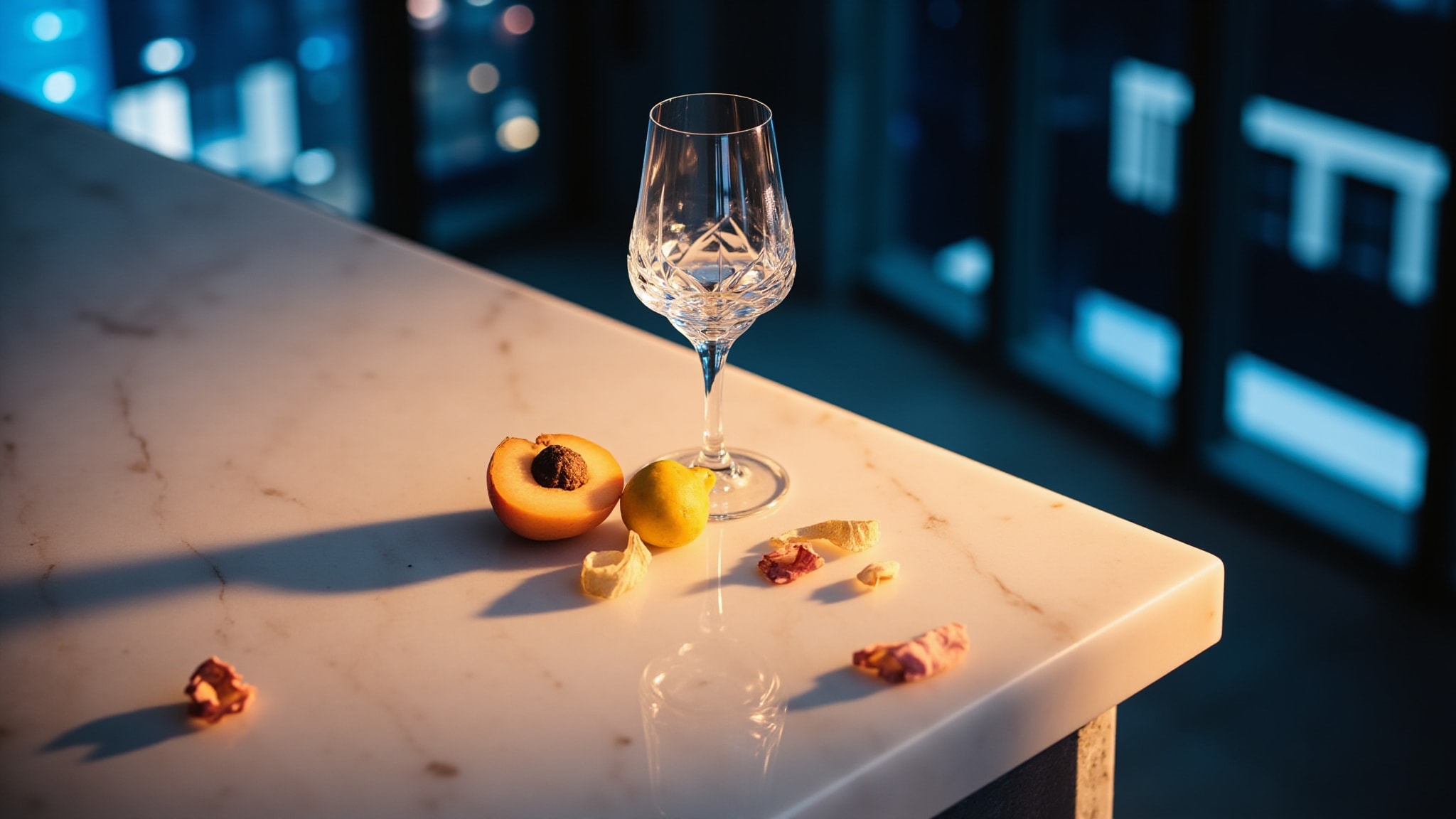
The opening is all appetite. Italian lemon and mandarin cut bright over apricot, sunlit and a little sticky, the way fruit smells when the kitchen window is open and the bowl is sitting on the counter. Then rose and jasmine move in, quieter than expected, more breath than bloom, the kind of florals that suggest a flower without pointing at one. Patchouli threads underneath, barely there at first, almost more texture than scent. The lokum doesn't announce itself when you first spray. It accumulates. The sweetness deepens as the composition settles, moving from bright fruit into something warmer, almost confectionery, the floral heart now sitting inside an amber cradle instead of floating on top of it. The citrus eventually evaporates, the jasmine goes quiet, and what's left reads as skin-warmed sugar, a trace of rose dust, and that grounded lokum sweetness that outlasts everything else.
Cultural impact
Dessert Flower draws on the rosewater-lokum pairing, a combination that recalls Turkish and Levantine dessert tables rather than French patisserie. Turkish delight carries its own architecture, rosewater softness layered against a gelatinous sweetness that sits closer to the skin than powdered sugar ever manages, and pairing it with patchouli and amber gives the lokum weight it wouldn't have on its own. The result is a composition where the gourmand elements and the floral elements feel braided together rather than stacked.