The Story
Why it exists.
The beginning
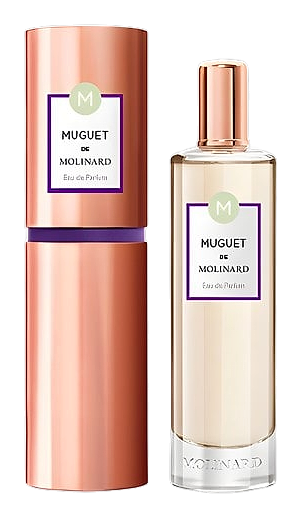
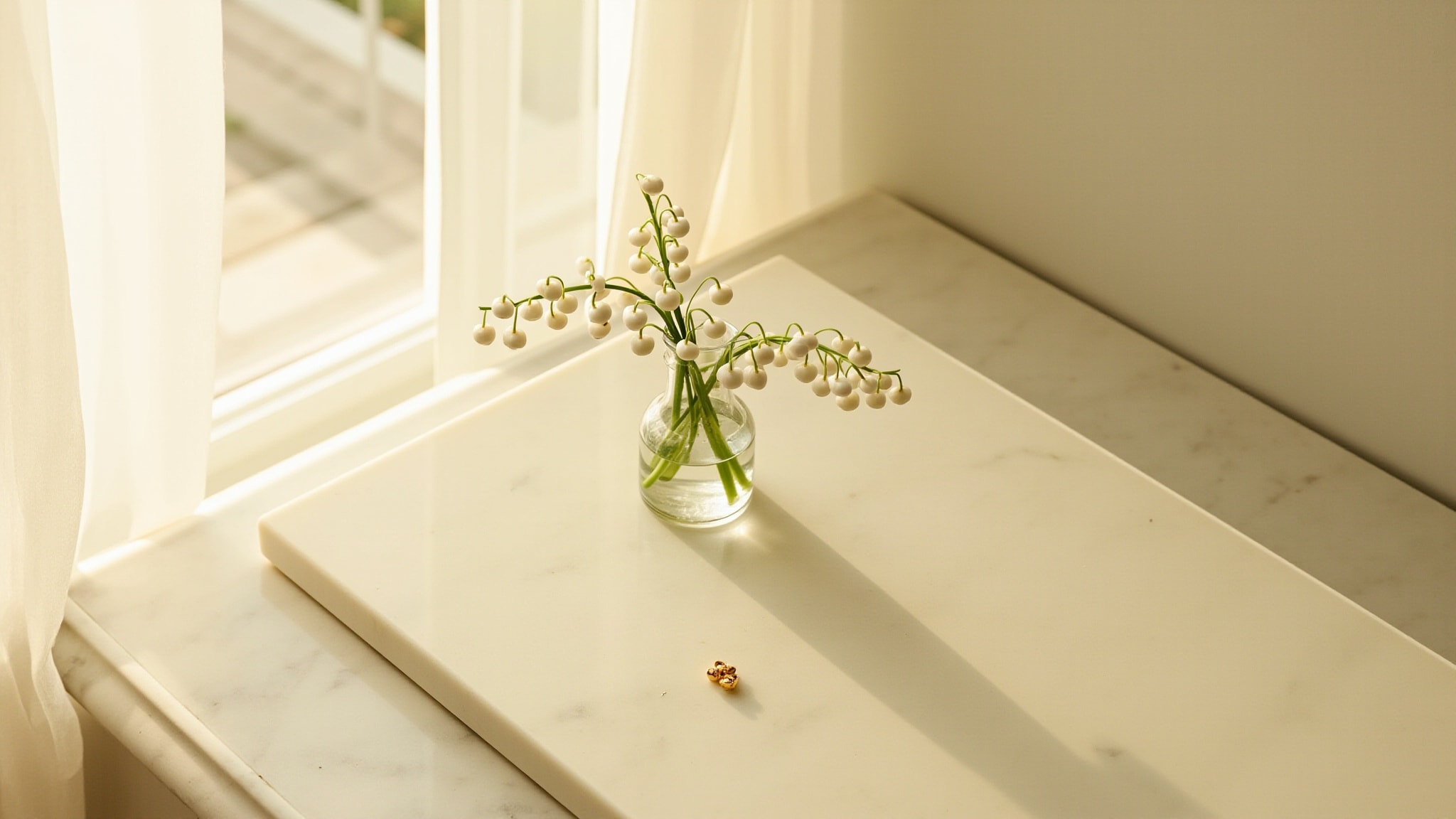
Molinard's Muguet arrived in 1994 as a study in a single note taken seriously. Lily of the valley is the kind of flower perfumers love in theory and struggle with in practice. It is volatile, temperamental, and resistant to yielding its scent easily to extraction. The challenge was not building complexity but capturing the flower at all, then making it last on skin long enough to matter. The solution, as Molinard understood it, was not to dilute the lily of the valley's personality but to amplify it, building a structure around that sharp, green, almost mineral character rather than softening it into something safer. The result is a fragrance that insists on its own terms, offering a scent that opens with crisp, dewy greenness and settles into something quietly persistent.
What makes Muguet unusual is its structural choice to place lily of the valley in both the opening and the heart. Most fragrances that feature the note use it fleetingly, a top note that announces itself and retreats. Here it repeats, layered through the heart where lotus and rose arrive to soften edges that might otherwise turn astringent. Rose doesn't sweeten the composition so much as warm it; lotus adds a watery lift that keeps the whole thing from becoming heavy. The jasmine base grounds everything with the kind of white floral warmth that holds the skin long after the sharper green notes have settled. It's not a complex fragrance in the way a chypre or fougère is complex.
The evolution
The opening hits fast and almost startling in its directness, that green, slightly astringent bite of lily of the valley. It is the flower pulled from the stem, unfiltered and immediate. Within the first ten minutes, the sharpness begins to soften and the green recedes, revealing something creamier underneath. The rose and lotus arrive almost simultaneously, rounding what was angular into something smoother. The transition is not dramatic; it is the difference between a flower held at arm's length and one pressed close to the skin. By the heart phase, the composition reads as a soft white floral, still green-tinged but warmer, the kind of scent that sits close to the skin rather than announcing itself across a room. The drydown is where jasmine does its quiet work, supported by aquatic notes that keep everything cool and slightly dewy rather than heavy.
Cultural impact
Muguet enters a fragrance landscape where lily of the valley had long presented a perfumer's puzzle. Naturally occurring in nature with a scent that resists straightforward extraction, it requires either synthetic reproduction or painstaking accord construction. Molinard's decision to build an entire fragrance around this single note speaks to a certain stubbornness in the best sense, a refusal to treat challenging ingredients as merely supporting players. The flower's elusive nature has made it a curiosity in perfumery, respected but rarely given the space to speak for itself.