
The Story
Why it exists.
The beginning
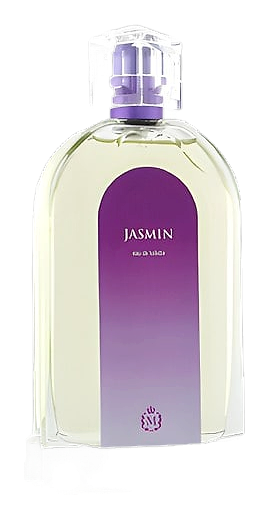
Molinard introduced Les Fleurs Jasmin in 1994 as part of the house's commitment to translating Provençal flora into wearable form. The Les Fleurs collection, including Violette, Rose, and Mimosa, each spotlighted a single flower from the region. Jasmine held particular significance: the night-blooming blossom at the heart of Grasse's historic perfume economy, harvested at dawn before the sun warms its oils. Rather than loading the composition with animalic base notes or heavy oriental warmth, the perfumer chose restraint, building the scent around a cool, aqueous opening and a musky drydown that kept the jasmine's natural elegance front and center. The result felt modern in 1994, when jasmine fragrances often leaned tropical and opulent.
What sets Les Fleurs Jasmin apart is the green and aquatic top notes paired with jasmine, a combination that gives the fragrance its distinctive transparency. Green notes add a crushed-stem, botanical freshness that lifts the sweetness of the flower without becoming herbaceous. Aquatic notes introduce a watery, almost ozonic quality, the smell of dew on petals rather than the flower alone. Together, these notes create a cool, luminous opening that prepares the skin for the warmer floral heart. The white musk base is deliberately understated: it extends the drydown without projecting, wrapping the jasmine and rose in soft skin warmth that stays close rather than announcing itself across a room.
The evolution
The opening arrives cool and clean, green stems and water-slicked petals, jasmine floating above a faintly ozonic haze. Within minutes the orange blossom and rose emerge, softening the lift into something rounder and more familiar. The jasmine doesn't dominate, it shares the stage with the blossom's bitter-almond nuance and the rose's quiet sweetness. By the second hour, the green notes have settled, the aquatic quality has thinned, and the white musk begins to assert itself. It doesn't arrive dramatically, it simply becomes the last voice in the room. The drydown is skin-close and intimate, the kind of scent you catch only when you press your wrist to your face. On fabric, it lasts longer: a faint floral warmth that survives a workday and lingers into the evening.
Cultural impact
Les Fleurs Jasmin occupies a quiet corner of French perfume heritage, neither a blockbuster nor a cult niche. Wearers describe it as the scent of someone who values classicism over trend, someone who chooses the well-made thing rather than the loud one. It's been compared to pre-war jasmine fragrances from houses like Le Galion, suggesting a timelessness in its structure that outlasts seasonal fashion. Within Molinard's own catalog, it remains one of the house's most enduring releases, a fixture of the Les Fleurs collection since 1994, largely unchanged and unapologetically itself.