
The Story
Why it exists.
The beginning
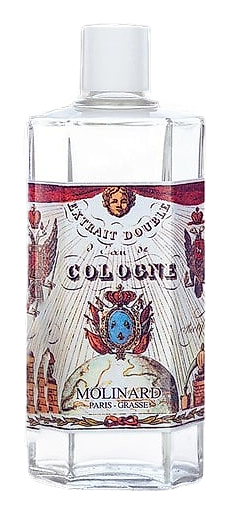
Cologne France represents a particular moment in French perfumery, when the craft was deepening its roots in the global imagination. Molinard, with roots stretching back to Grasse, approached this cologne as an exercise in restraint. The result is stripped-back and confident, built on the premise that less can be more. Named for the country that made the format famous, it presents itself without excess. The fragrance offers clean citrus brightness, quiet floral warmth, and a drydown that doesn't demand attention. This is cologne that works through clarity rather than complexity, the kind of scent that establishes its presence through quality rather than volume. It invites the wearer to appreciate the interplay of simple, well-selected materials.
The note structure is deliberately restrained. Citrus notes deliver immediate freshness without complexity for its own sake. Neroli and orange blossom form a quiet floral warmth that separates this from modern aquatic interpretations. Musk and vetiver in the base are where the restraint pays off: a clean, slightly earthy drydown that doesn't overpower. The composition moves from bright opening to gentle floral heart to clean finish, each phase emerging naturally from the last.
The evolution
The opening hits bright and clean, citrus oils that feel precise and direct. Lemon leads, lime follows, and the combination keeps the top from reading as generic. Within twenty minutes, the florals begin to emerge. Neroli arrives first, slightly waxy and warm, then orange blossom softens everything further. This middle phase is where the cologne settles into itself, becoming something worn close to the skin. By the third hour, the base takes over. Musk keeps it clean, vetiver adds just enough structure to keep it from disappearing. The fragrance maintains its character throughout, evolving from crisp citrus to gentle florals to clean drydown without harsh transitions.
Cultural impact
Cologne France occupies a particular place in the fragrance world: among the reference points. When someone asks what a cologne should smell like, this is one of the answers that comes up. It appears in discussions alongside classics that share its citrus-floral structure, fragrances that defined their categories. The composition carries a certain timelessness, the kind of scent that has endured because it does what it does very well. Wearers tend to appreciate craft over novelty, choosing a fragrance that rewards attention rather than one that demands it.