The Story
Why it exists.
The beginning
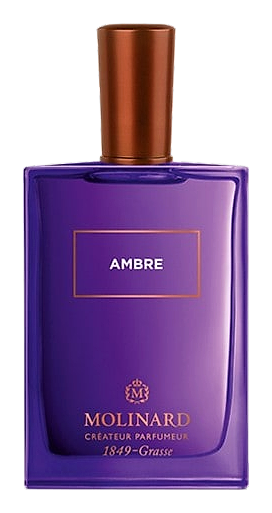
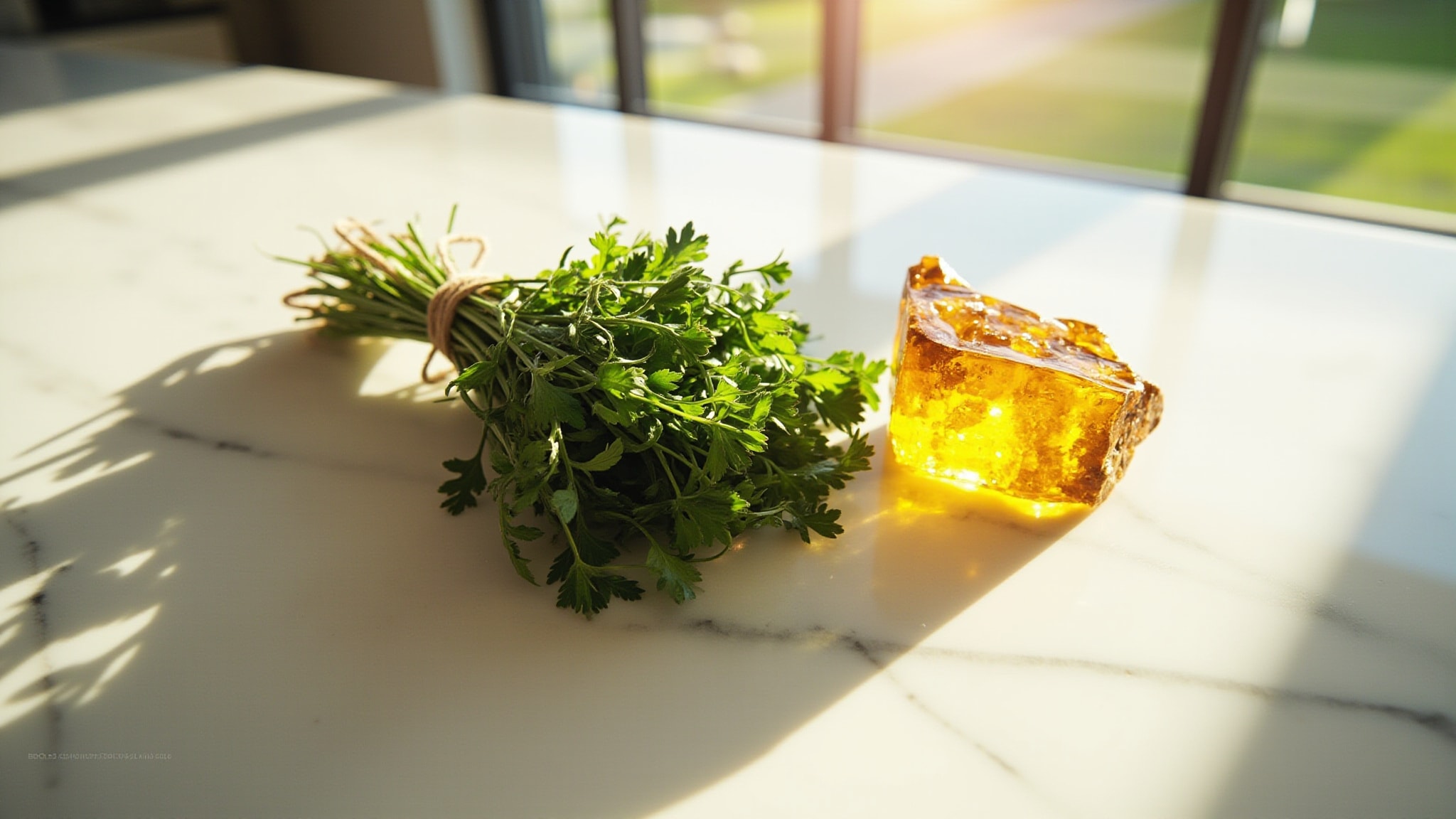
Ambre is Molinard doing what it does best, taking a classic material and treating it with restraint. The house built its name in Grasse, and the approach there has always favored letting raw materials speak for themselves. Amber in perfumery has a reputation problem. Too often it reads as syrupy, as sweet, as something that announces itself before you've even reached for the bottle. The herbal notes of coriander and thyme anchor the top, keeping the opening from collapsing into something soft and predictable. Their green, slightly bitter edge cuts through what could otherwise become a heavy, cloying experience. The balance here isn't about adding more amber or more sweetness, it's about understanding how contrast creates something more interesting than any single note could achieve alone.
The heart of labdanum and frankincense is where Ambre earns its name. Labdanum is one of perfumery's oldest materials, sticky, resinous, with the smell of sun-warmed rock and ancient trade routes. Frankincense adds smoke without heaviness, a quality that lifts rather than weighs. Together they give the amber note something to live inside, a structure that prevents the composition from flattening into sweetness. The drydown keeps the herbs present throughout, a thread of green and bitter that runs beneath the warmth.
The evolution
The opening arrives green and bright, coriander's citrusy spice, the clean cut of thyme, a garden at midday. Myrtle adds a faint floral whisper, barely there, keeping the top from reading as medicinal. This phase lasts longer than expected. The herbs don't fade immediately, they build the stage. As the fragrance develops, the amber asserts itself, nestling beneath the herbs rather than replacing them. Labdanum brings its sticky, resinous warmth, frankincense adds a wisp of smoke, and the composition deepens into something golden and tactile. This is the heart of the fragrance, the part that justifies the name. The herbal note doesn't disappear. It stays, a counterpoint that prevents the amber from becoming syrupy. As the base takes over, sandalwood goes creamy, musk wraps everything close, and tonka bean arrives last with a sweet, warm finish that stays on skin for hours.
Cultural impact
Ambre fits a particular moment in the niche fragrance world. The warm spicy and amber accords put it squarely in the oriental family, but the herbal counterpoint keeps it from reading as sweet or heavy. The composition shows a different kind of confidence, one that doesn't rely on projection or volume to make an impression. French heritage gives it a certain structure, an understanding of balance that comes from a particular tradition of making perfume. For those interested in the oriental style but looking for something with more nuance than the category typically offers, this offers an interesting alternative.