The Story
Why it exists.
The beginning
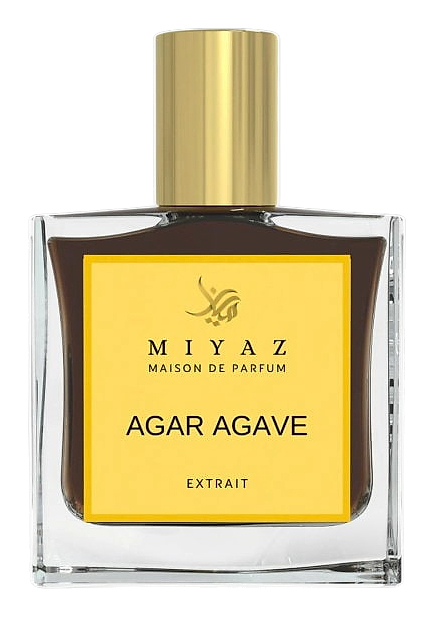
Agar Agave arrived in 2025 from Miyaz, and the name alone tells you where the tension lives. Agar is oud, the resin-soaked heartwood prized across perfumery traditions for its depth and density. Agave is green, bright, almost edible. The two belong to different families of scent entirely, one rooted in smoke and fermented wood, the other in sunlight and plant sap. Putting them in the same bottle, asking the nose to hold both at once, is a pairing that earns its name.
Most woody-florals blend their backbones into the background so the flowers can carry the composition. Agar Agave does the opposite. The oud materials here come from three distinct Indian sources, Assam, Manipur, and a generic Indian oud, layered like different cuts of the same fabric. Each one brings a slightly different shade of resin and smoke, so when they stack, the wood dimension develops a kind of grain you don't usually get from a single oud note.
The evolution
The first hour is a polite argument. Tuberose absolute and green tea hit together, bright and slightly green, like the air above a hot cup poured over white petals. There is something almost bubblegum-sweet in the opening that disappears fast, replaced within thirty minutes by the verbena and sweet vernal grass, which smell like cold lemonade with a handful of hay stirred in. A faint bitterness creeps through, the kind you'd get from biting into a stem, and it grows until the oud starts to take over. By hour three or four, the three ouds and oakmoss have eaten almost everything else. What remains is warm, resinous, faintly animalic, and the base clings well into the next day. A scent on a sleeve the morning after is part of the package, not a surprise.
Cultural impact
Agar Agave sits in an unusual place. It pairs a green-tea character, the kind of bright, leafy opening you'd expect from a clean, daylight-leaning scent, with an oud-driven base built from three Indian sources stacked together. That combination, light on top and resinous deep down, doesn't show up often. The oakmoss underneath keeps the whole thing grounded so neither half overwhelms the other. It threads the line between something easy to wear on a warm afternoon and something with enough animalic warmth and resin to feel substantial once the day cools off.