The Story
Why it exists.
The beginning
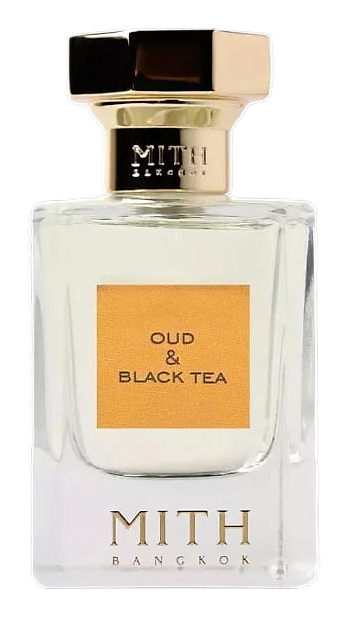
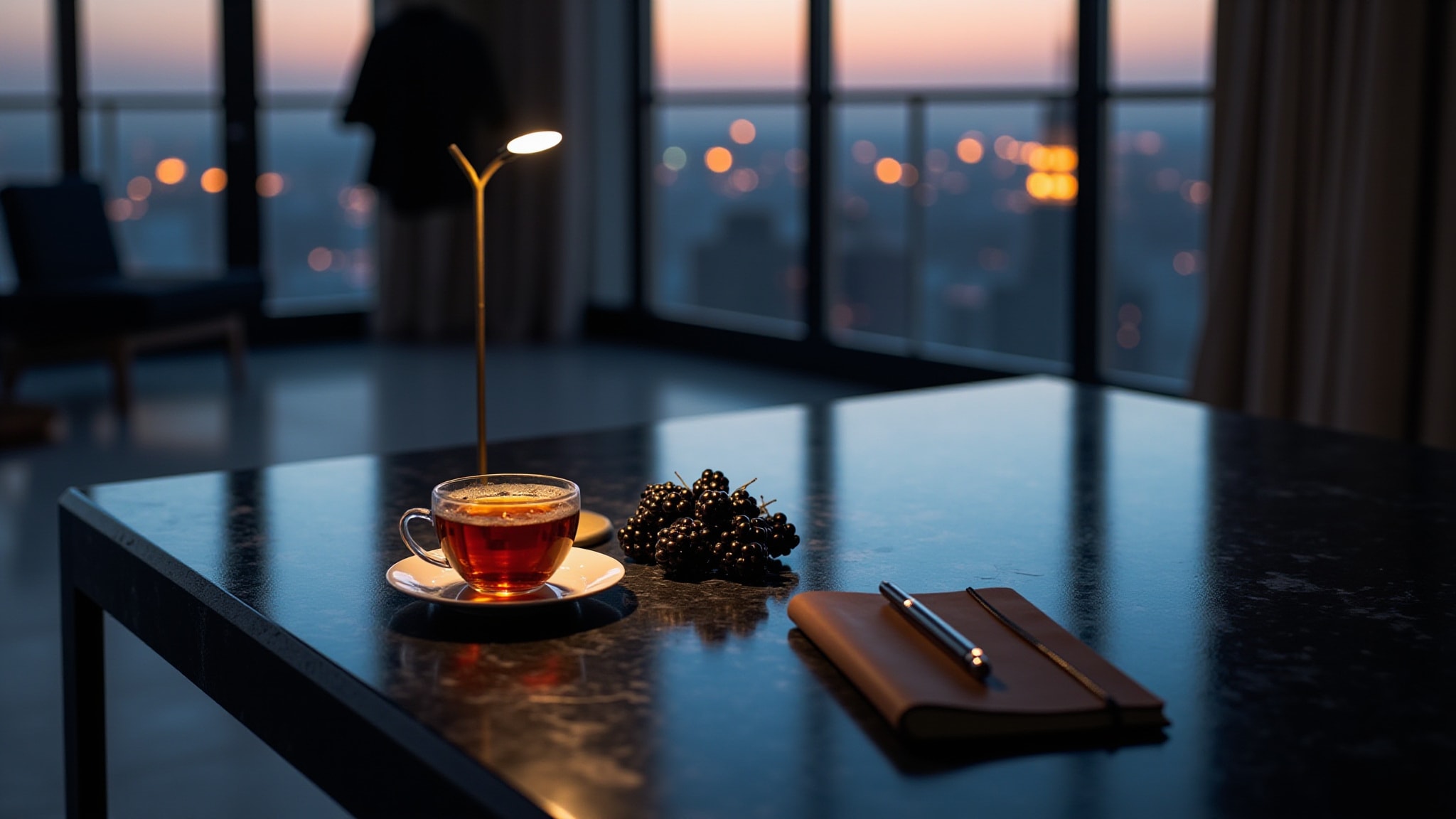
Oud & Black Tea arrived in 2024, composed by Quentin Bisch. The brief was simple: take two materials that don't usually share space, black tea and oud, and let them find a common temperature. The result isn't an oud fragrance with tea as garnish, or a tea fragrance flirting with something exotic. It's the two materials meeting halfway, negotiating a shared register. Bisch's approach here treats both ingredients with equal weight, refusing to let either dominate the architecture. The composition opens with a brisk clarity, the tea reading almost like a freshly poured cup cooling on a wooden table. As the hours pass, the oud emerges not as a dramatic statement but as a deepening, a slow infusion of warmth that settles into the skin's own chemistry.
Black tea and oud occupy surprisingly similar territory on the olfactory spectrum. Both deepen on skin over hours rather than minutes, both carry a certain gravitas that resists being rushed. Bisch leaned into that overlap instead of fighting it. The rose in the middle acts as connective tissue, bridging the bright top and the resinous base without ever demanding attention. Patchouli grounds the whole thing with an earthy certainty that keeps the composition from floating away into pure airiness. What's distinctive here is the restraint: at no point does any single material try to be the star.
The evolution
First 20 minutes: the blackcurrant and bergamot are doing the talking. Sharp, almost juicy, with a citrus edge that keeps things awake. The fruit note reads more like fresh currant than candy, with a tartness that cuts through any heaviness. Then the tea takes the lead, gradually, without announcement. By the two-hour mark, the composition has settled into something that smells less like ingredients and more like a single impression: steeped, warm, slightly floral. The rose emerges softly around this time, adding a powdery sweetness that bridges the brighter opening to what lies beneath. The oud surfaces around the four-hour mark, not as a dramatic reveal but as a deepening of temperature. It's woody, faintly medicinal, animal-adjacent without crossing into anything crude. There's a smoothness to how it integrates, as if it had been waiting beneath the surface all along.
Cultural impact
Oud & Black Tea approaches oud with a subtlety that feels distinct. This is oud as supporting actor: present, structural, warm, but never the reason you notice someone across a room. It wears close and stays personal, which makes it appealing to anyone who treats fragrance as a private pleasure. The tea element adds a dimension that sets it apart from conventional oud compositions, introducing a brewed, aromatic quality that feels both familiar and unexpected. For someone building a wardrobe of skin-close niche scents, this one earns its shelf space quietly. It doesn't perform or demand attention.