
The Story
Why it exists.
The beginning
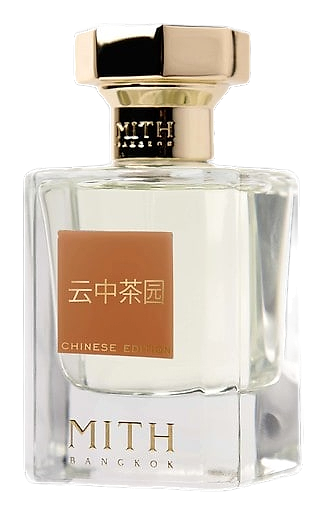
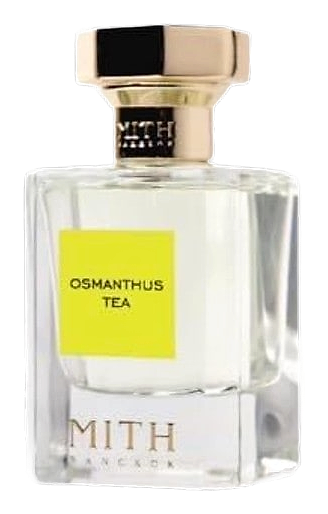
MITH has spent nearly a decade translating personal memory into scent, starting in a Bangkok studio with a small collective of designers who believed Thai ingredients deserved a place in niche perfumery. Osmanthus Tea began with a single material: osmanthus petals from a small farm in the Chiang Mai highlands, where altitude and humidity give the blossom a distinct apricot-honey character. The idea was to capture what that flower actually smells like in the wild, before extraction softens it into abstraction. Tea came next, not as an abstract green note but as the bitter, slightly astringent counterpoint that keeps the osmanthus honest. No fantasy, no performance. Just the flower and its natural foil, close enough to wear.
What makes this structure interesting is the tension between sweetness and bitterness that never fully resolves. Osmanthus brings apricot, honey, and a subtle waxiness; tea brings tannin, dryness, and a slightly medicinal coolness. These are opposing forces in most compositions, but here they share space without canceling each other out. The heart adds jasmine, rose, and tuberose, white florals that deepen the honeyed quality without pushing the composition into creaminess. Oakmoss appears in the base, a nod to classic perfumery that grounds the modern tea association in something with history. It's a fragrance that could have gone in several directions but chose the one that required the most restraint.
The evolution
The bergamot and bitter orange open bright, citrus that reads more like zest than juice, with a slight medicinal edge from the neroli. Thirty minutes in, the osmanthus emerges. Not as a grand entrance but as a slow reveal, like sunlight moving across a room. The tea note appears around the one-hour mark, cutting through the floral warmth with something clean and almost astringent. This is the fragrance's most interesting phase: the honeyed sweetness of osmanthus fighting the bitter clarity of tea, neither winning. By hour three, the florals settle into the base, sandalwood and amber providing warmth, oakmoss adding a faint green undertone that keeps everything grounded. The drydown is quiet, intimate, present on skin for 6-8 hours without ever demanding attention.
Cultural impact
Osmanthus Tea joins a growing category of floral-tea fragrances, but MITH's approach is deliberately restrained compared to louder exponents. The fragrance rewards wearers who prefer intimacy over impact, those who want to smell something interesting up close rather than announce themselves from across the room. It's the kind of scent that generates curiosity rather than compliments, which is either its greatest strength or its most honest limitation, depending on what you're looking for.