
The Story
Why it exists.
The beginning
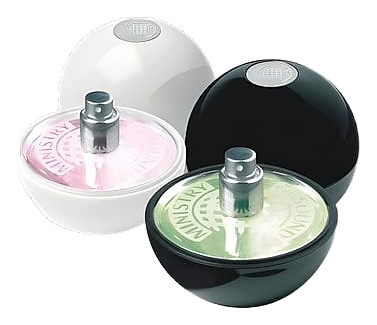
Ministry of Sound built its name in South London, in a disused bus garage that became the capital's defining electronic music venue. By 2008, the brand had grown into a global entertainment company, compilations, clubs, a cultural identity tied to the hours between midnight and sunrise. Nightlife for Her was conceived as a wearable extension of that world. Not a perfume that happens to have the Ministry of Sound name. A fragrance that captures what it feels like to be inside that room, with the lights down and the music turned up.
The note structure makes that intention literal. Tropical fruits, pineapple, mango, pear, give it the warmth of somewhere always warm. Pink pepper and cassia keep it from being purely sweet, adding that sharp edge that belongs to a club at 2am rather than a beach at noon. The rose heart doesn't perform; it drifts in quietly, the way a good song enters a mix without announcement. And the base, musk, vanilla, patchouli, is where the night ends up: warm skin, the memory of dancing, something that lingers past the point where you left.
The evolution
Pineapple leads. Bright and tart, with just enough cassis to ground it. The pink pepper arrives within minutes, not aggressive, but present, that little shock of warmth that says this isn't a gentle fragrance. It announces itself. For the next hour, the fruit heart unfolds: mango's softness, pear's quiet sweetness, rose slipping in without forcing anything. By hour two, the top notes begin to recede. The drydown takes over, musk first, then vanilla, then patchouli settling underneath like the bass line you feel in your chest rather than hear. The whole thing lasts 6-8 hours on most skin. The next morning, there's a faint warmth on your wrist. Not the fragrance itself. Just the memory of it.
Cultural impact
Nightlife for Her arrived in 2008, a period when celebrity fragrances dominated the market and electronic music culture was entering mainstream consciousness. Ministry of Sound's entry was unconventional, a brand known for sound systems and club nights releasing a fragrance line that positioned itself as an extension of the nightlife experience rather than a conventional celebrity endorsement. The fragrance appealed to consumers who had lived the brand experience: the club regulars, the compilation buyers, the people who associated Ministry of Sound with specific nights and specific memories.