The Story
Why it exists.
The beginning
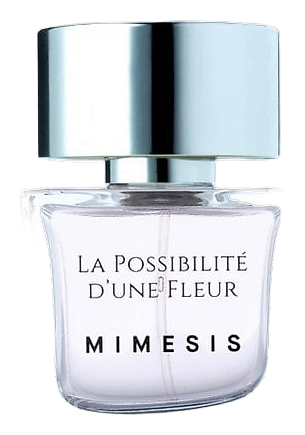
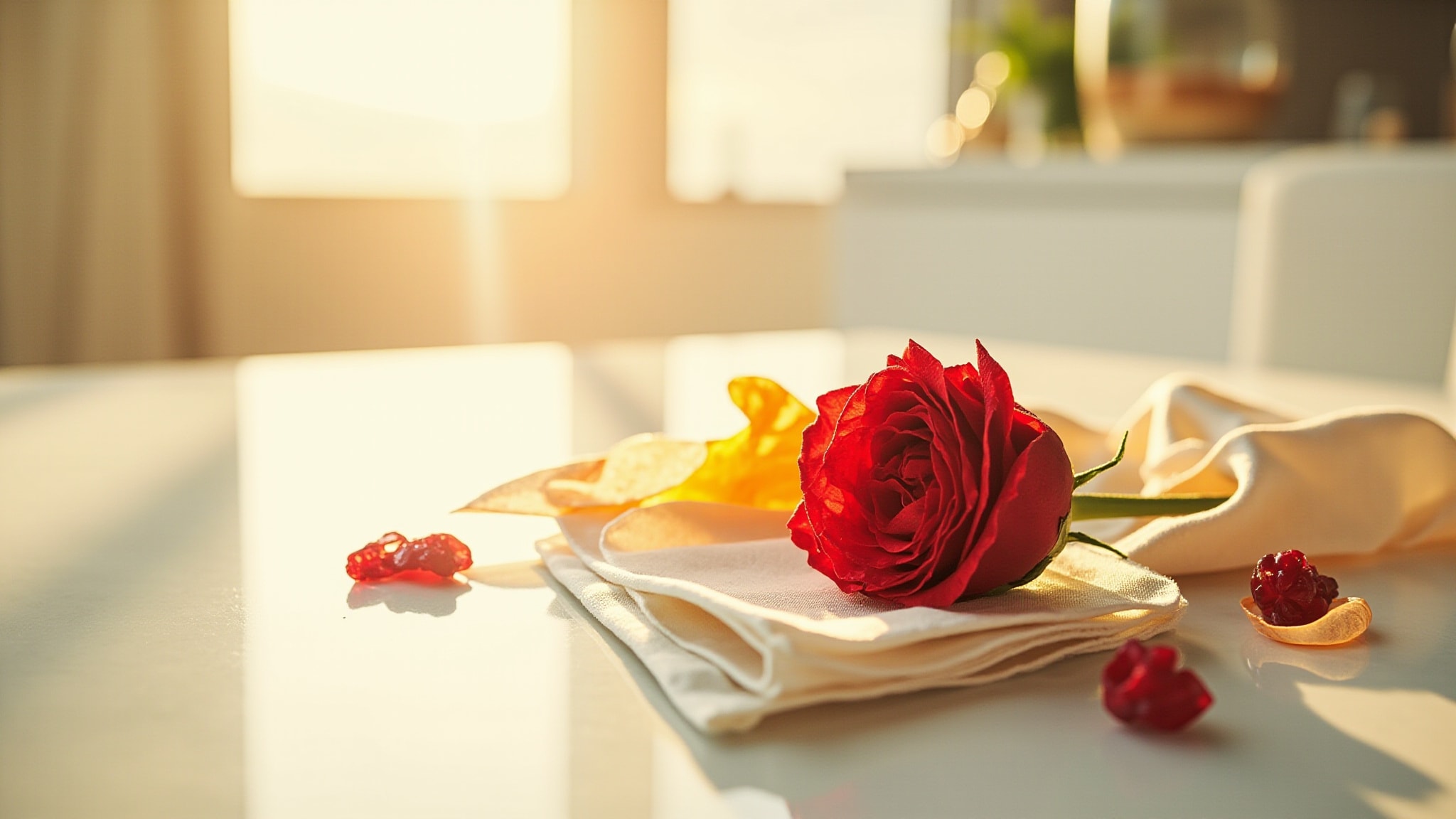
La Possibilité d'Une Fleur arrived in 2015, and its title, roughly the possibility of a flower, sets up an idea rather than a botanical specimen. What the house describes is a flower that behaves like light: lemon and mandarin give birth to a translucent glow in jasmine, then red facets of rose and cranberry cut across that brightness, all of it resting on musk. It is a floral built around contrast, where citrus acts like sun through glass and rose arrives with the color of a cut stem. The composition moves by changing textures, beginning with polished brightness before settling into a warmer floral heart. Jasmine lends a soft, airy presence, while rose introduces a deeper, more tactile accent.
The unusual part is the color system at work. This floral builds illumination, then adds red. Lemon and Mandarin provide the first refraction, jasmine supplies the translucence, and cranberry brings a tart, almost lacquered quality that gives the composition its vivid edge. Musk settles underneath with a cool, refined dryness rather than sweetness. The citrus opening gives way to jasmine and rose, but a bright fruitiness remains woven through the heart. As the fragrance develops, it feels polished and precise, with each note holding its own shape while interacting with the others.
The evolution
The first minutes are all light and edge. Lemon cuts sharp, Mandarin adds gloss, and the whole thing feels almost transparent on skin. Then jasmine arrives, not as a dense white cloud but as a soft veil stretched over that brightness. The turn comes with rose and cranberry, which push the composition somewhere warmer, rosier, slightly darker, like a petal left in late sun. The citrus recedes but never truly leaves, which keeps the heart from tipping into sugar. Rose grows more prominent through the middle, while cranberry maintains a bright, tart contrast. What lingers is the musk, close and clean, carrying the faintest memory of the sharper opening. The fragrance moves gradually from a lively citrus veil to a warmer floral phase, then draws inward toward a smooth, skin-bound finish. Its final impression is that pale, polished thing again, softer and more intimate.
Cultural impact
La Possibilité d'Une Fleur offers a distinctive way of reading scent through color and sensation. Its title suggests a flower considered as an idea, while the composition moves between brightness and depth in the same way. Lemon and Mandarin establish a clear, polished opening before jasmine introduces a softer floral veil. Rose and cranberry then shift the mood toward warmer, darker shades, and musk brings the experience back to a refined, close-fitting impression. The fragrance invites appreciation through contrasts: light and shadow, translucence and red, fruit and petals, brightness and softness.
The House
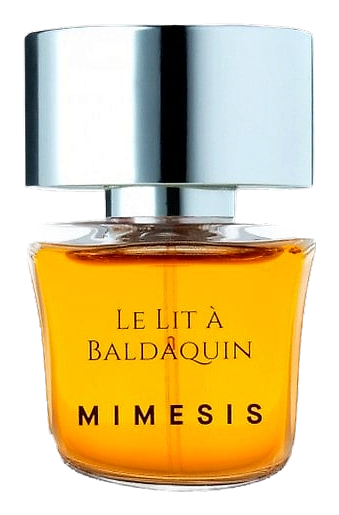
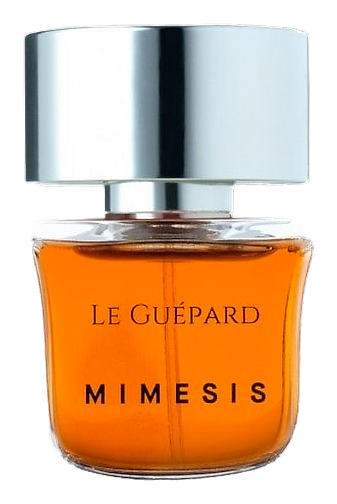
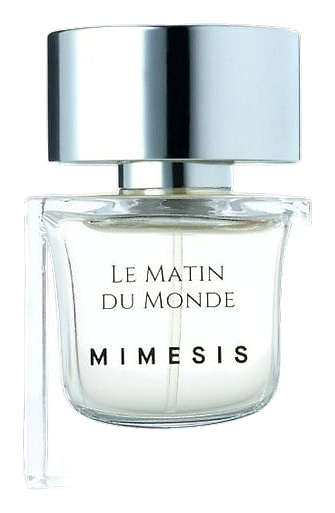
Mimesis ParfumsMimesis Parfums is a French fragrance house founded around 2015 with a salon-led collection created by perfumer Karine Dubreuil. Its first four fragrances, La Possibilité d'Une Fleur, Le Lit à Baldaquin, Le Guépard and Le Matin du Monde, established a poetic naming style rooted in flowers, interiors, animals and the wider world. Rather than presenting perfume only as a personal accessory, the brand developed an olfactory ritual that pairs fragrance with hair care. That approach brought Mimesis into the professional hairdressing setting and gave the collection a distinct place within the French fragrance market.
The Creator
Karine Dubreuil-SereniDubreuil-Sereni's portfolio spans an unusually wide territory, from fresh masculine orientals to luminous feminine florals. She demonstrates particular skill with masculine compositions, having created multiple flankers and variations across several houses.