The Story
Why it exists.
The beginning
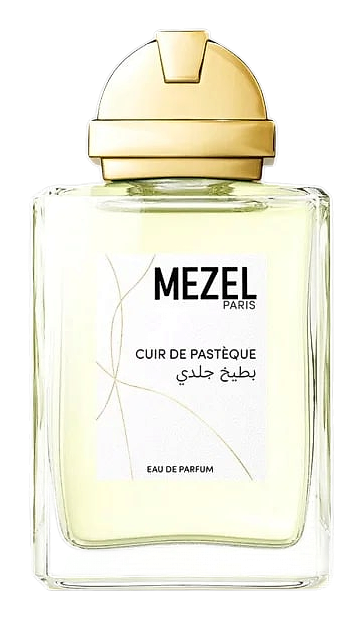
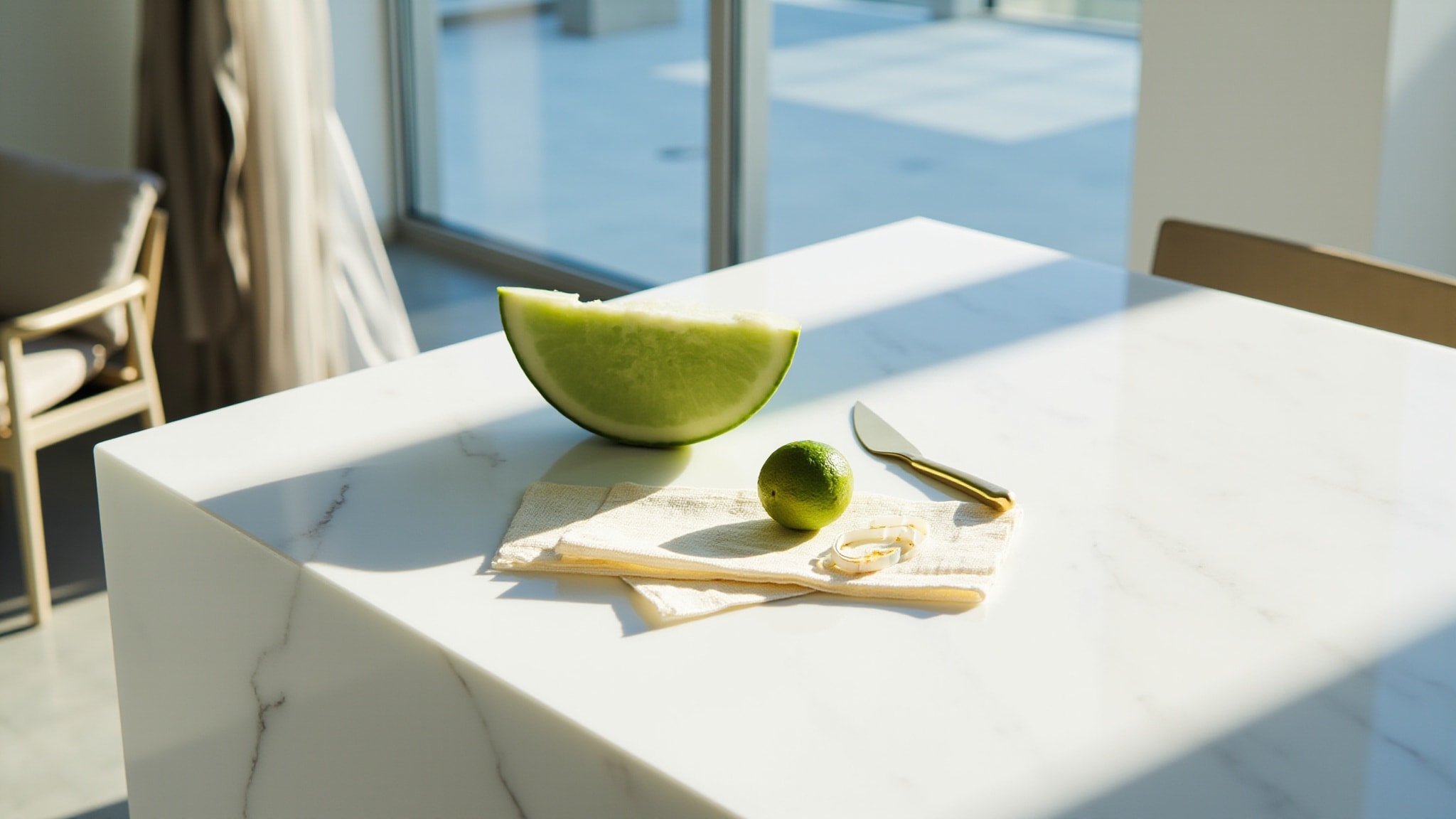
Watermelon was always going to be a problem. Juicy, sugary, the undisputed cliché of summer fragrance, the note that gets dismissed before anyone tries to translate it properly. Cuir de Pastèque is Mezel's bet that the fruit can be taken seriously, built around the rind rather than the flesh, turning something throwaway into the structural backbone of the composition. Released in 2024, the fragrance was composed by Mathilde Bijaoui. The opening reads as a deliberate provocation, choosing watermelon as a flagship note at a moment when most houses would treat it as a seasonal trinket.
What makes this composition earn its name is the inversion at the center of it. Most watermelon fragrances chase the sweet, sticky pulp and stop there, then wonder why the result reads like a body spray. Cuir de Pastèque treats the fruit as a top-to-bottom structural element, cold green freshness layered over French lavender, then anchored by Iris Tingitana, ambroxan, cedarwood, and musk. The base is where the composition stops behaving like a fruit scent and starts behaving like a proper perfume, with the vegan leather accord acting as the other hinge point.
The evolution
The first twenty minutes are almost aggressively clean. Lime and pink pepper snap the top open with a short, bright buzz, juniper berries adding a faintly bitter green edge that keeps the citrus from going soda-sweet. It smells like cold water running over something fresh, and the watermelon note arrives almost immediately, woven in rather than splashed on, pulpy, yes, but with that cucumber-cool undertone that makes it feel edible and architectural at the same time. The opening reads sharp and deliberate, every element pulling in the same direction. As the top settles, the lavender surfaces, used here like a softening agent rather than a dominant theme. It gives the fruit a faint herbal backbone, enough to keep it from feeling like a single-note novelty while never competing with the watermelon for attention.
Cultural impact
The fragrance occupies an unusual niche: a summer-coded fruit composition that treats its central note as architecture rather than decoration. In a category where watermelon often gets dismissed before anyone takes it seriously, Cuir de Pastèque's willingness to build around the rind rather than the fruit's sweet interior sets it apart. The base of leather, iris, ambroxan, cedarwood, and musk grounds what could have been a fleeting seasonal release into something with genuine structural integrity. The composition reads as a quiet argument against disposable summer perfumery.