The Story
Why it exists.
The beginning
Menthe Enivrante translates as "intoxicating mint", but the intoxication isn't just the menthol. The fragrance draws from a secular Moroccan tradition where mint tea was infused with precious ambergris. Perfumers Julie Massé and Jérôme di Marino didn't recreate a drink. Instead, they captured the spirit of that combination, translating it into something wearable. The opening is bright and chilled, the mint immediately present but paired with an unexpected depth beneath its surface. As the top notes settle, the fragrance reveals a warmth that mirrors how ambergris behaves when it mingles with other elements, creating a richness that feels simultaneously fresh and enveloping. The name means what it says: mint that stops being innocent and becomes something else entirely.
What makes this composition unusual is the bridge between its parts. The absinthe gives the opening an almost medicinal sharpness, green, bitter, bracing in a way that reads as clinical at first. Then the Moroccan mint arrives, softer than you expect, almost sweet beneath the chill. Violet leaf pulls both together with a quiet green floral quality. By the time the drydown arrives, you've forgotten you ever thought this was a fresh fragrance. The oriental base was there all along, revealed gradually rather than announced.
The evolution
The opening hits hard. Absinthe's bitter, slightly anise-forward quality combines with Moroccan mint, the combination is sharp, almost clinical, the kind of freshness that feels cold. The mint softens as it develops. The violet leaf emerges, adding an unexpected sweetness to the green, and suddenly the fragrance has a middle that feels like it belongs to a different perfume entirely. The drydown is where this earns its name. Amber and benzoin create a warm, almost honeyed embrace, while myrrh and cypriol add resinous depth. Musk holds everything close to the skin. The fragrance settles into a comfortable warmth that lingers, its initial sharpness mellowed into something more intimate. On fabric, traces remain detectable well after the initial application, the oriental elements clinging tenaciously while the mint note fades into memory.
Cultural impact
As a recent release from independent house Mezel, Menthe Enivrante sits at an interesting intersection: green freshness and oriental warmth, mint and ambergris, the ceremonial and the intimate. The house's approach, synthesizing rather than choosing between contrasting elements, shows in a fragrance that refuses to be just one thing. It's the kind of niche release that rewards wearers who don't need their fragrance to announce itself. The way it moves between cool and warm, bright and deep, makes it versatile enough for different occasions while still feeling cohesive.
The House
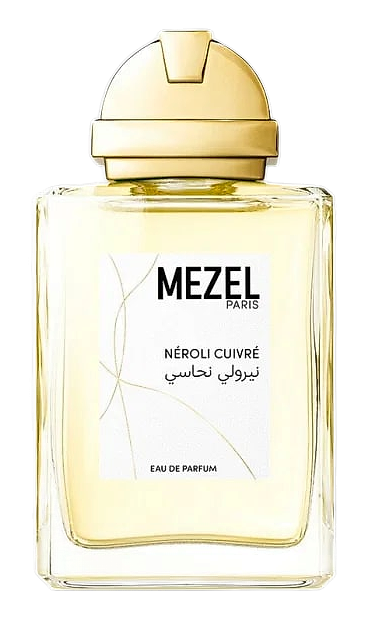
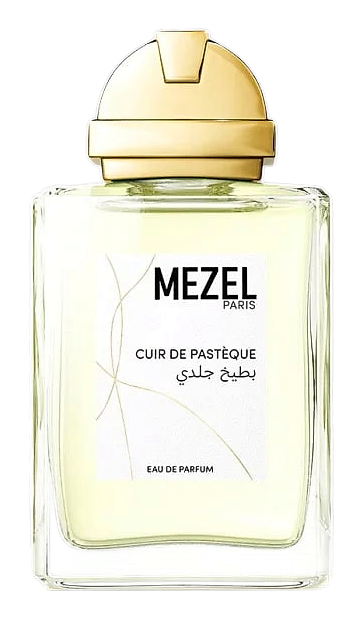
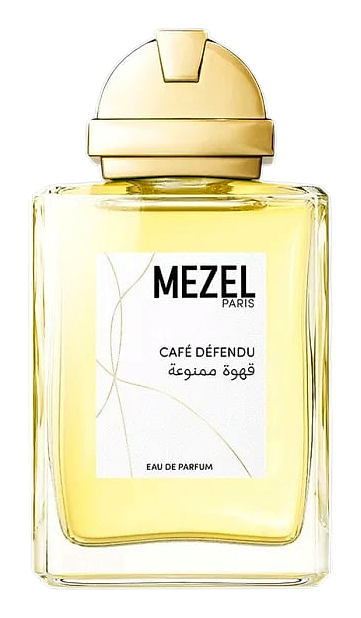
MezelMezel is an independent niche fragrance house founded by Sophia Gyé-Jacquot, who draws from her dual connection to Morocco and France. The brand positions itself at the intersection of North African olfactory traditions and Parisian creative sensibility. Mezel produces eaux de parfum with an emphasis on refillable formats, reflecting stated commitments to longevity in both scent and environmental consideration. The house released five new fragrances in 2024, including Néroli Cuivré, Menthe Enivrante, Datte Opaline, Cuir de Pastèque, and Café Défendu. The brand operates as a female-led independent house, collaborating with Paris-based design agency Garance Creative for its visual identity.
The Creator
Julie Massé & Jérôme di MarinoMassé gravitates toward warm woods, vanillas, and crisp citrus when building a fragrance. She has a particular affinity for ingredients that create what she calls an incomparable sillage, a signature trail that stays with a wearer.