The Story
Why it exists.
The beginning
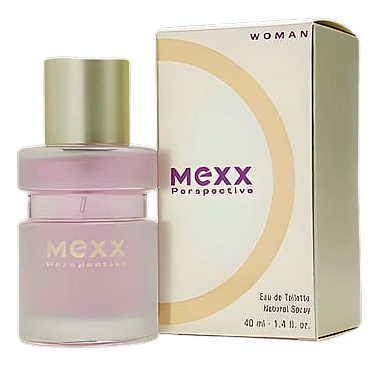
Jacques Huclier created Perspective Woman in 2001 as part of Mexx's rapid early-2000s fragrance expansion. The name itself is a statement of intent, perspective is about how you see things, and how you want to be seen. Mexx, founded in Amsterdam in 1986, had built its fashion identity on accessible, everyday confidence. The fragrance was designed to mirror that: wearable, unpretentious, certain of what it is. Therrry de Baschmakoff designed the bottle, clean lines, letting the perfume's color speak. Not a statement piece. An everyday one.
What makes Perspective Woman interesting is the way its white florals don't compete with each other, they layer. Peony brings softness, jasmine adds depth, and freesia bridges the two with a translucent quality. Cedar in the heart is the quiet structural choice; it prevents the florals from becoming too precious, grounding them in something slightly woody before the base arrives. The tonka-vanilla axis in the drydown is where this fragrance becomes distinctly warm rather than merely floral. It's the choice that keeps people coming back, that creamy, powdery closeness that stays on skin long after the top notes have gone.
The evolution
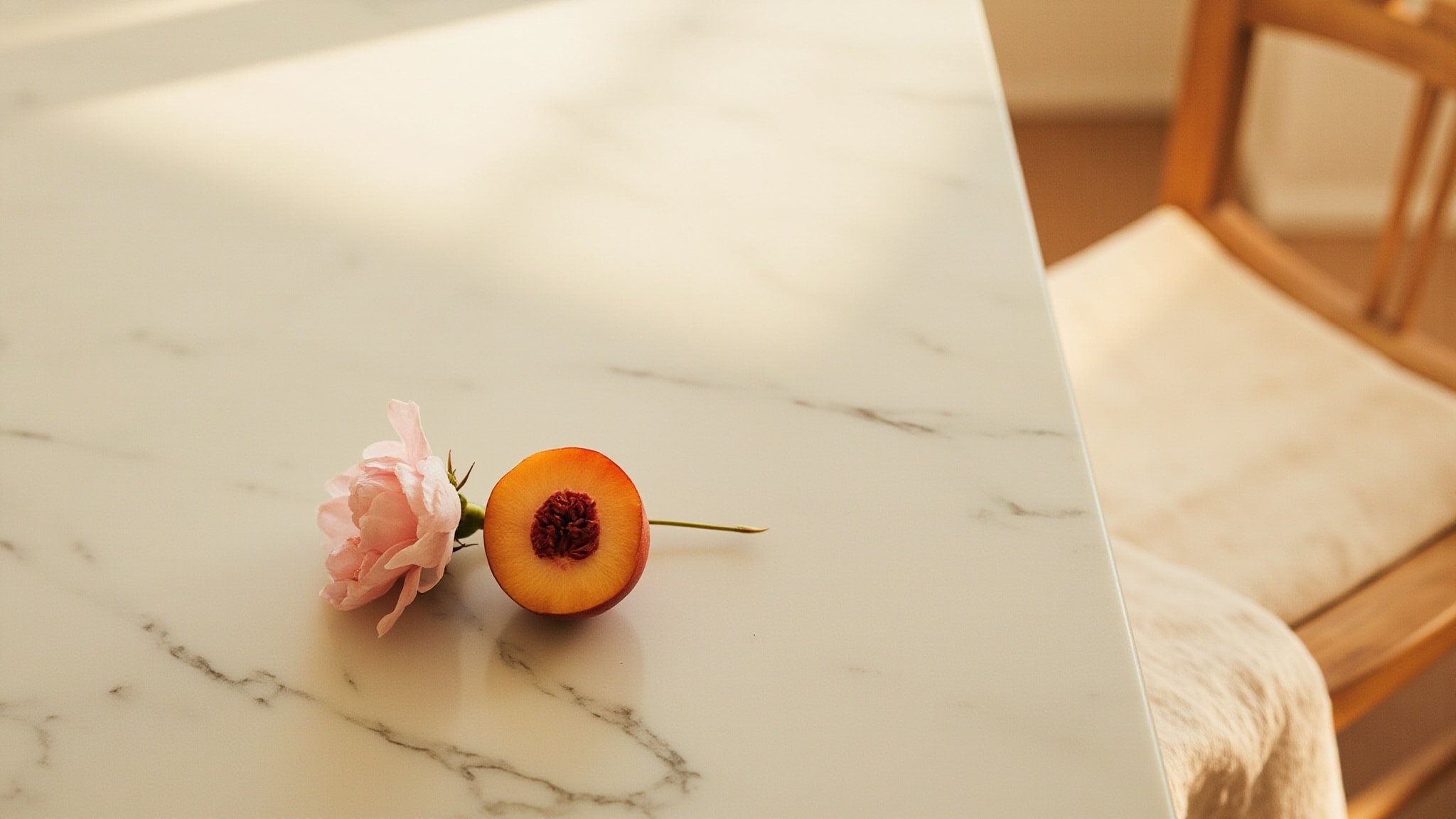
The opening is quick and bright: bergamot, lemon, a nudge of red apple that reads almost candied. The peach keeps it fruity without crossing into syrupy. This lasts about twenty minutes before the florals take over. The heart phase softens everything, peony and jasmine arrive together, freesia threading between them with a delicate, slightly cool quality. Cedar announces itself quietly, adding a woody counterpoint that prevents the composition from becoming too sweet. The drydown is powdery in the best sense: warm, close, intimate. Tonka and vanilla wrap around patchouli and sandalwood in a base that stays on skin for four to six hours. Moderate sillage throughout, present for the people near you, invisible to the rest of the room. On fabric, it lingers until the next wash.
Cultural impact
Released in 2001, Perspective Woman arrived during a decade when feminine fragrances often trended bold, heavy florals, Orientals with projection, tuberose that announced itself from across the street. Mexx took a different angle: a fragrance for everyday wear, for women who wanted scent to be a background companion rather than a foreground statement. The floral-powdery character fit the early-2000s aesthetic of soft florals and warm vanilla, positioning it as approachable rather than aspirational. It found its audience among women who wanted fragrance to feel like a second skin, comfortable, familiar, and unmistakably theirs.