
The Story
Why it exists.
The beginning
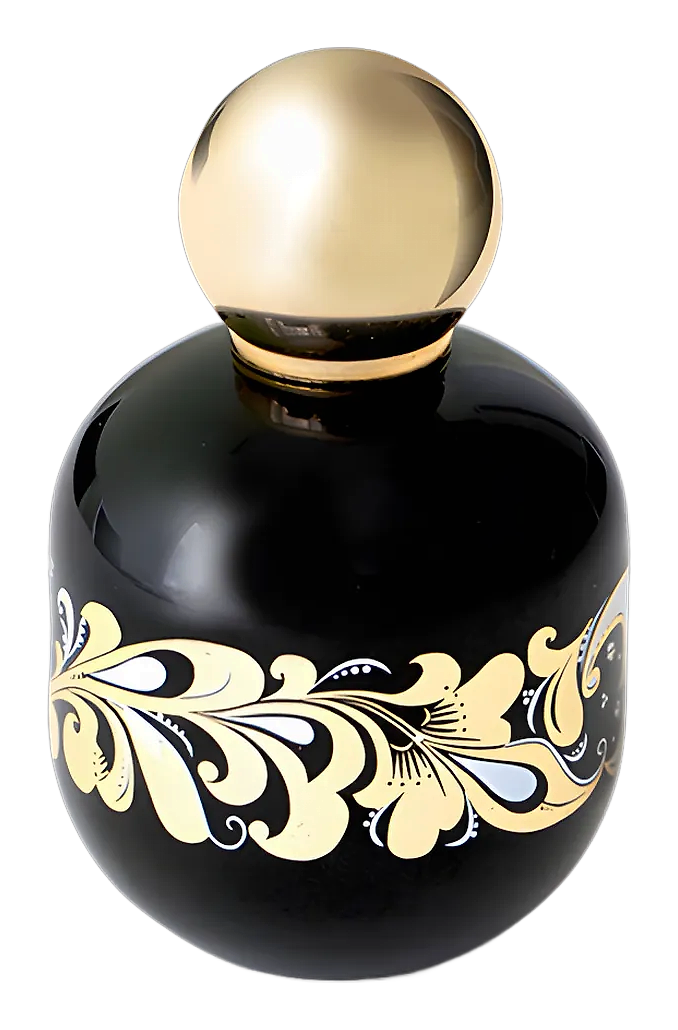
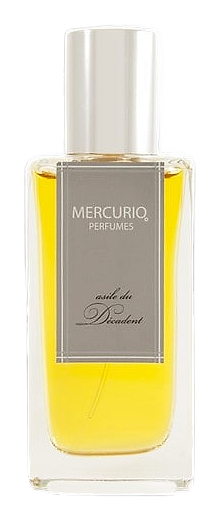
The name comes first. Asile du Décadent, Asylum of the Decadent, and already the fragrance has a thesis. Not excess, but refuge. Not indulgence, but sanctuary. Perfumer Valery Mikhalitsyn built this around a simple inversion: what if decadence was not a sin but a shelter? The warm tobacco, the golden honey, the powdery florals, each layer is a room you enter. Each one more intimate than the last.
The honey-tobacco pairing is a classic perfumery tension. Sweet against savory. One misstep and it slides into potpourri or ashtray. The florals, tuberose and ylang-ylang, are the bridge that keeps both sides honest. They prevent the honey from cloying. They prevent the tobacco from going harsh. This is an Oriental Floral that wears close to the skin. Exactly what the name promises.
The evolution
The opening is a quick breath of bergamot and black pepper, bright, almost sharp. Dried fruits add a jammy depth beneath. Within minutes, tobacco moves in. Not campfire tobacco. Something warmer, rounder, like aged pipe tobacco in a leather chair. The heart belongs to honey. Tuberose and ylang-ylang soften the sweetness, adding creaminess without turning floral. Cinnamon shows up as warmth, not spice. The composition stays close to the skin here, this is not a fragrance that announces itself. The drydown is where cedar and sandalwood take over. Musk and myrrh add intimacy. The result settles into a quiet, lingering presence on the skin, warm and persistent. You know it's there. Everyone else has to get close to find out.
Cultural impact
Asile du Décadent emerged as part of Mercurio Perfumes' debut collection. The fragrance represents an oriental-floral composition built around tobacco and honey, two notes that had been gaining attention among fragrance enthusiasts. The structure incorporates warm, resinous elements alongside floral sweetness, creating a layered experience that rewards close wear. Its composition suggests an intentional approach to balancing contrasting elements, with sweetness anchored by darker, earthier undertones. The scent continues to be produced, appealing to those who appreciate tobacco-forward fragrances with a floral heart.
The House
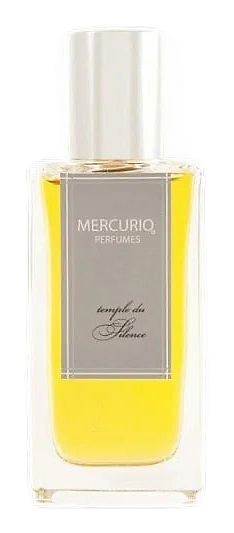
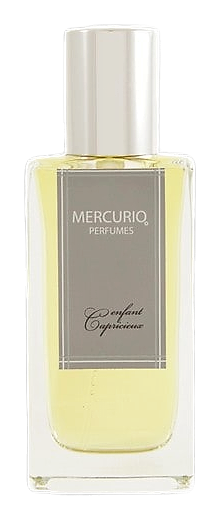
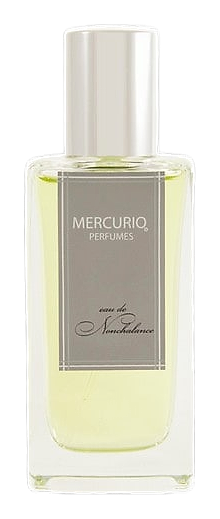
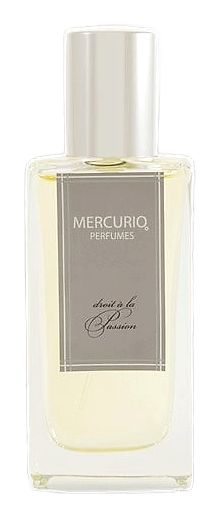
Mercurio PerfumesMercurio Perfumes stands as a niche fragrance house defined by its 2016 collection of five distinct scents, each crafted under the direction of perfumer Valery Mikhalitcyn. The house emerged with a deliberate small-batch approach, releasing its entire initial catalog in a single year rather than pursuing gradual market expansion. The fragrance names—Temple du Silence, Enfant Capricieux, Droit à la Passion, Eau de Nonchalance, and Asile du Décadent—reflect a conceptual, literary sensibility drawn from French language and poetic abstraction. Rather than positioning itself within mainstream fragrance categories, Mercurio Perfumes appears to target collectors and enthusiasts who value narrative depth alongside olfactory composition. The house operates with apparent independence, without the backing of a larger luxury conglomerate, suggesting a purist approach to creative direction.
The Creator
Valery MikhalitsynAs a writer rather than a creator, Mikhalitsyn's style manifests in his prose rather than in formulations. His fragrance analyses are known for their precision and restraint, avoiding hyperbole in favor of careful description.