


Heritage
A house, in its own words
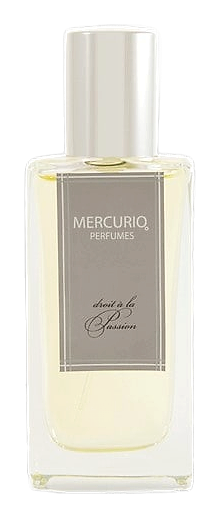
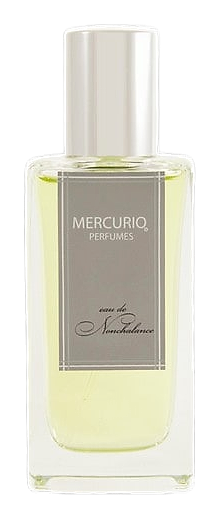
The precise origins of Mercurio Perfumes remain difficult to establish with certainty, as the house operates without extensive publicly available documentation of its founding circumstances. What can be confirmed is that the brand's first and only collection to date arrived in 2016, comprising five fragrances unified by a singular creative vision and executed by the same nose. The decision to launch an entire catalog simultaneously rather than sequentially suggests either a fully developed creative concept from inception or perhaps limited production capacity that prioritized completeness over gradual market entry. The French-language nomenclature of its fragrances implies cultural ties to Francophone perfumery traditions, though the Italian brand name and Russian-linked perfumer introduce productive ambiguity about national identity and creative influences. Without access to founder interviews, press coverage, or brand archives, the house's historical narrative remains largely inferred from its output rather than documented founding story. This scarcity of biographical detail, while frustrating for comprehensive brand profiling, may reflect intentional discretion rather than recent establishment. The five fragrance titles from Mercurio Perfumes reveal an approach to naming that prioritizes conceptual resonance over descriptive clarity. Temple du Silence suggests contemplative stillness; Enfant Capricieux evokes unpredictable whimsy; Droit à la Passion asserts emotional intensity as an entitlement; Eau de Nonchalance frames casual indifference as a sensory experience; Asile du Décadent positions decadence as refuge. Each title functions as a philosophical proposition rather than a scent descriptor, inviting the wearer to project personal meaning onto the olfactory experience. This abstraction implies a perfumery philosophy that regards fragrance as a vector for emotional or intellectual states rather than a product category defined by ingredient trends or demographic targeting. The absence of flankers, limited editions, or reformulations across subsequent years suggests a house that created its complete artistic statement in 2016 and allowed it to stand without modification. Such restraint, whether born of conviction or circumstance, indicates a preference for permanence over the perpetual renewal that drives most commercial fragrance houses.