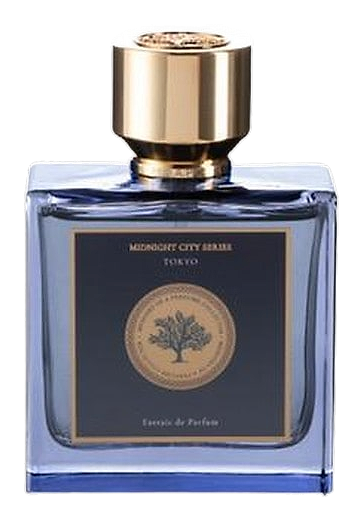
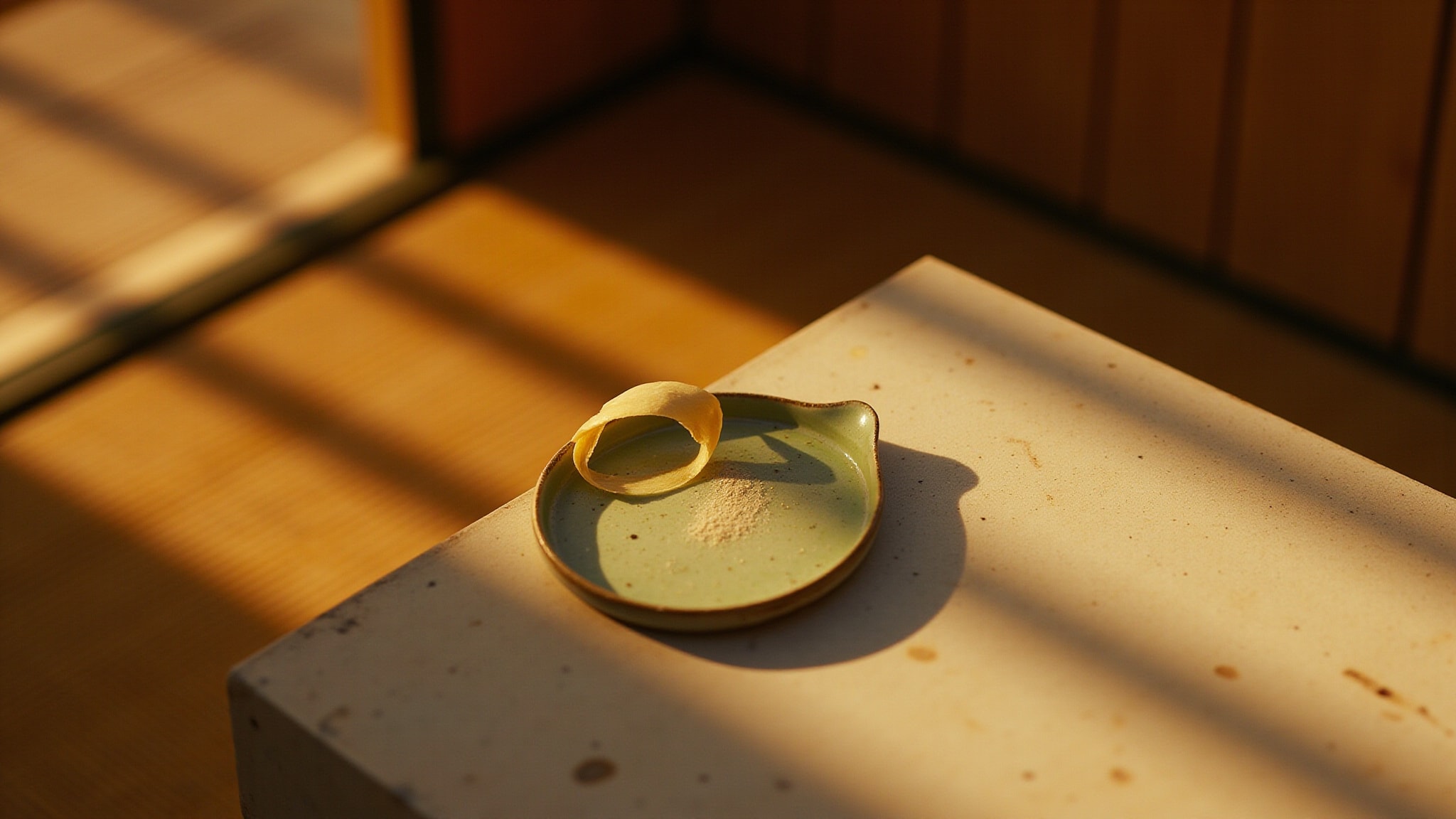
The Story
Why it exists.
The beginning
Nick Steward has been going to Tokyo for over twenty years. He watched the city change and stayed curious about the same things: the humidity in the air before sunrise, the quiet of back streets where electric cables crisscross above wooden houses, the tastes of izakaya eateries, sour, sweet, zingy on the tongue. What he wanted to capture with Tokyo was not the neon or the crowds. It was the stillness inside the city. The kōdō ceremony, the Japanese Way of Fragrance, became his framework. Fragrance as meditation. Smoke and sandalwood as spiritual practice. The result is an award-winning scent that opens like a slap of fresh air and settles into something almost devotional.
Most fragrances use citrus as a brightness accent. Tokyo uses it as a structural element. Yuzu and bergamot don't just open the composition, they set the pace. The wasabi is the signature move: an ingredient most perfumers avoid because it's difficult and risks feeling gimmicky. Here it reads as electric green heat, a sensation that lasts through the opening and slowly dissolves into the incense and hinoki as the heart develops. Orris root threads a powdery floral note through the woody heart that keeps the incense from becoming heavy. It's a composition that trusts contrast, sharp against soft, fresh against smoky, and earns both sides.
The evolution
The first ten minutes belong to the wasabi. A sharp, clean burn on the skin that announces itself before you expect it. Yuzu cuts through the heat like a slice of citrus over ice. Then the incense arrives, not heavy, not temple-projection, but a low smoky hum that begins to soften the edges. The hinoki and cedarwood take over the middle act, settling the fragrance into something woody and warm. Orris root adds a quiet powdery floral lift. By hour three, the drydown arrives: sandalwood and amber holding close to the skin, vetiver grounding everything with an earthy finish that stays intimate and present for hours. On most skin types, Tokyo lasts well into the evening without needing a reapplication.
Cultural impact
Tokyo occupies a specific space in the niche fragrance landscape: fresh enough to wear in the morning, meditative enough to stay with you all day. The wasabi note is its calling card, divisive in the best way, the kind of ingredient that makes someone ask what you're wearing. It draws wearers who are tired of fragrances that smell pleasant and want something that smells like a place, a moment, a decision.
















