The Story
Why it exists.
The beginning
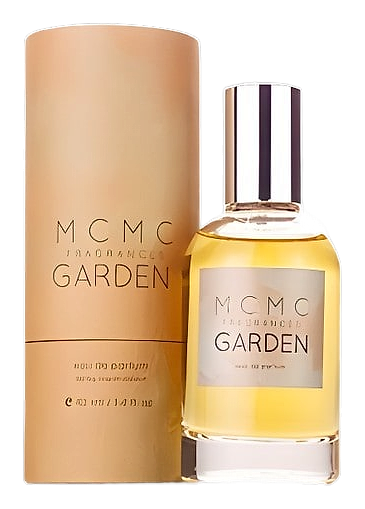
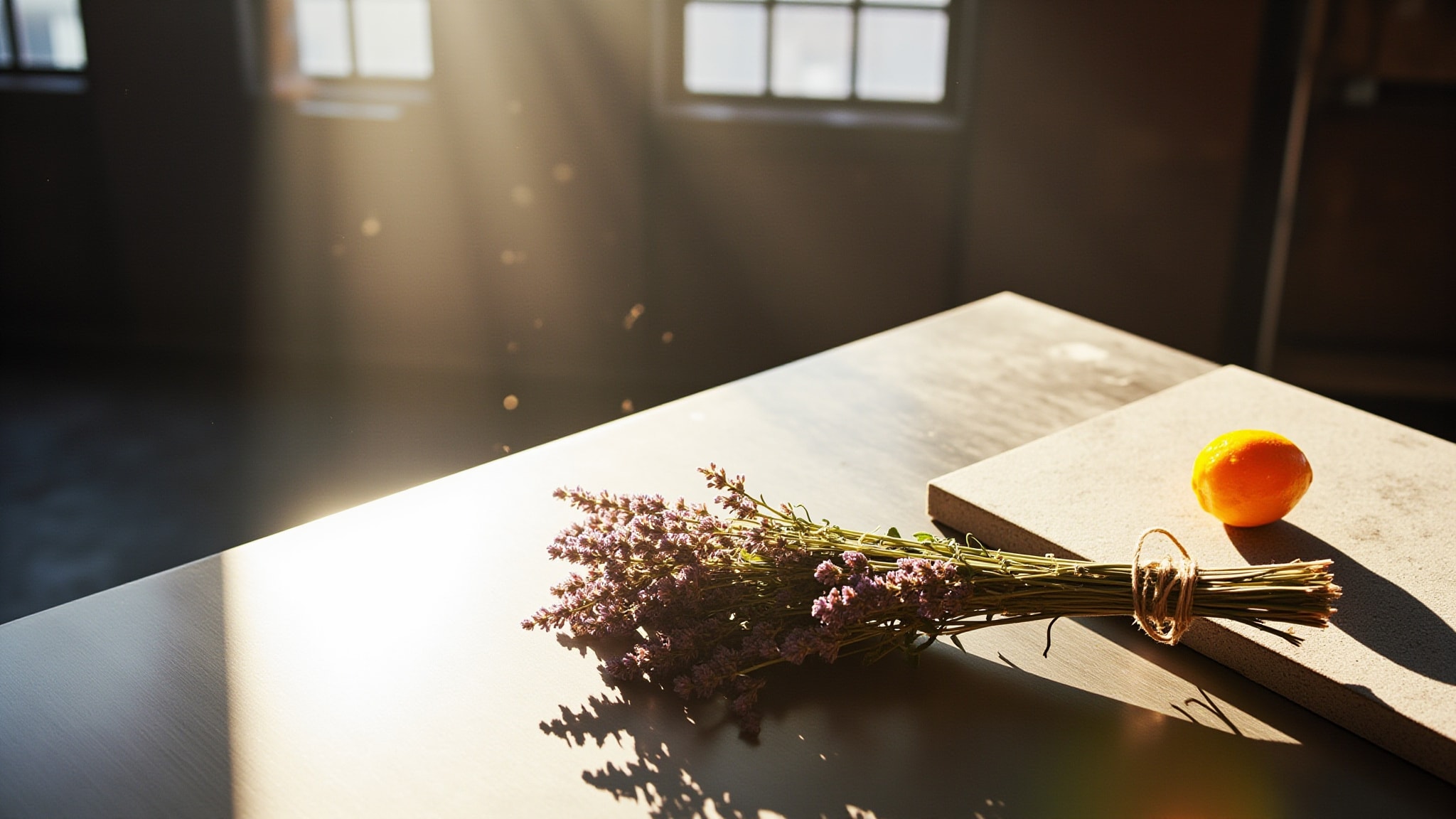
Anne McClain named this one simply, and the composition earns that plainness. Garden came out of her Brooklyn studio, part of a catalog where each scent follows its own logic rather than slotting into a themed collection. McClain built it around the herbs and citrus that fill an actual kitchen garden in summer, not an abstracted idea of green. Lavender, red thyme, myrtle, bitter orange, lemon, and oakmoss form the backbone, and the choice of materials keeps the fragrance rooted in something recognizable and edible rather than perfumey's usual shorthand for foliage. The result reads less like a fragrance trying to evoke a garden and more like the garden itself walked into the room.
What's worth noticing is the restraint. There's no galbanum explosion, no sharp minty lift, no aquatic green that signals 'freshness' through chemistry. Instead, Garden leans on red thyme and myrtle, two herbal materials that carry their own peppery, slightly camphoraceous heat. They do the work that louder green compositions usually outsource to synthetics. The oakmoss in the base isn't decorative either. It pulls the herbs and citrus down into something grounded, giving Garden its fougère structure without ever announcing it.
The evolution
The first thirty minutes belong to the citrus. Bitter orange and lemon hit bright and almost sharp, the way citrus smells when you pull it off the tree rather than from a bottle. They don't scream, but they announce themselves, and the lavender threads through early, cooling the citrus without dulling it. The herbal shift begins around the forty-five minute mark. Red thyme rises with its peppery warmth, myrtle follows with something greener and slightly resinous, and the whole composition pivots from bright to grounded without a hard break. By the second hour, oakmoss has quietly taken over the base. The citrus fades to a soft background hum. What's left is lavender, thyme, and oakmoss holding steady together, herbal and dry with a faint sweetness underneath from the orange. That final phase lasts well into the evening. On fabric the next morning, Garden reads as a clean herbal trace, more suggestion than statement, like dried lavender in a drawer.
Cultural impact
Garden occupies a specific place among green fragrances, one where herbal clarity takes precedence over trend-driven constructions. The composition appeals to wearers who want green done through real materials rather than through aquatic shortcuts or synthetic freshness, and Garden commits fully to its herbal identity without hedging. Thyme and myrtle anchor the scent in a territory that feels both familiar and slightly outside the mainstream, drawing on aromatics more often found in a kitchen than in a perfume bottle.