The Story
Why it exists.
The beginning
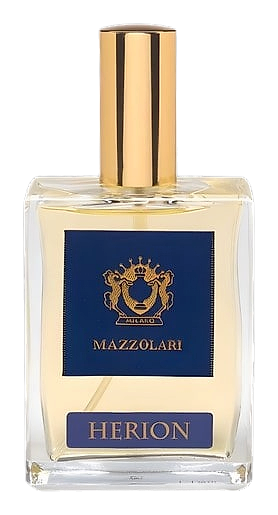
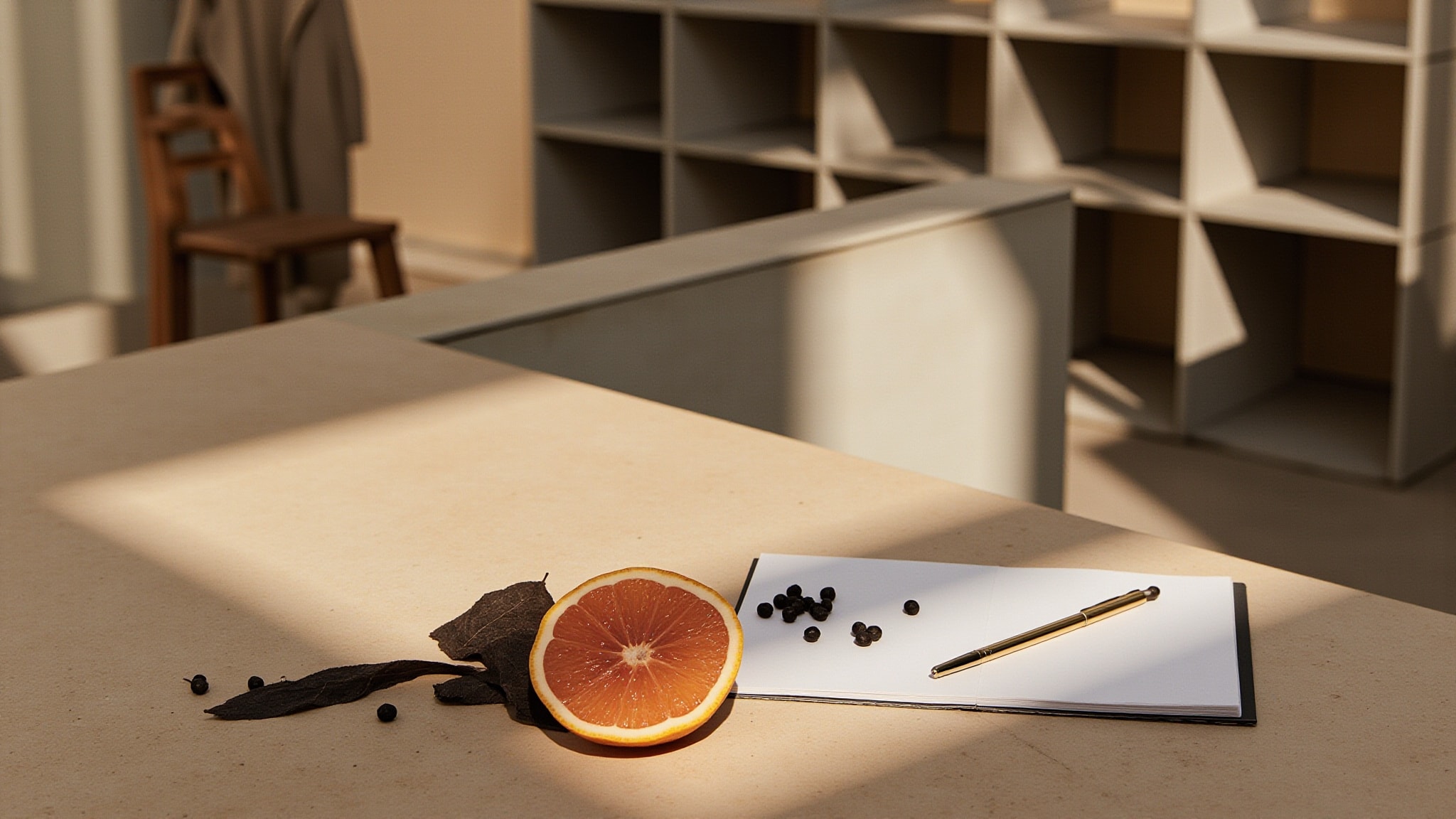
Herion doesn't name a place, but it names a feeling. The composition is built around the alchemy of its elements, a blend that holds together through contrast: citrus lift, warm spice, earthy wood, and resinous depth all working in tandem. Orange and grapefruit bring the brightness, sharp and almost tart, while geranium adds a green herbal quality and black pepper introduces a dry warmth that keeps the sweetness in check. Then the foundation takes over. Patchouli, cedar, vetiver, and benzoin ground the whole thing in soil and wood, giving it weight without burying the lighter notes above. Nothing here shouts. It's a composition that rewards attention, built for someone who wants to notice what their fragrance is doing rather than have it announce itself from across the room.
What makes Herion worth slowing down for is how the top and bottom notes refuse to behave like separate floors. The citrus opening isn't a brightening trick that fades into wood, it's a running thread that keeps showing up in the middle. Meanwhile, patchouli arrives earlier than you'd expect, which is the real surprise. Here, patchouli shares the heart with geranium and black pepper, weaving through the warmer spices rather than waiting in the base. That overlap gives the fragrance its coherence, the feeling that nothing is layered on top of something else but everything is happening at once.
The evolution
The first ten minutes belong to citrus and pepper, and they're assertive without being loud. Orange and grapefruit hit bright, almost tart, while black pepper adds a dry bite that keeps the sweetness honest. Geranium comes in fast, pulling the composition toward something greener, more herbal, and the patchouli surfaces earlier than expected, brushing the citrus with something darker. This is the most energetic phase, and it settles into the heart within twenty minutes. The middle stretch is where the composition finds its character. Cedar and vetiver take over, the pepper softens into warmth, and benzoin begins to glow underneath. The patchouli deepens, gaining richness as it settles into the wood, and the grapefruit recedes into memory. It reads woodier now, drier, with just enough residual sweetness from the benzoin to keep it from going austere.
Cultural impact
Herion sits comfortably in the lineage of fresh-spicy compositions that take their wood seriously. It's a quiet, well-made scent that doesn't announce its house, the kind of fragrance that rewards attention rather than demanding it. Up close, there's complexity, the interplay of citrus, spice, and wood revealing itself note by note. From a distance, it reads composed and considered, holding its shape without projecting loudly. It doesn't chase attention. It earns it slowly, through the quality of what's on the skin and the patience of how it wears throughout the day.