The Story
Why it exists.
The beginning
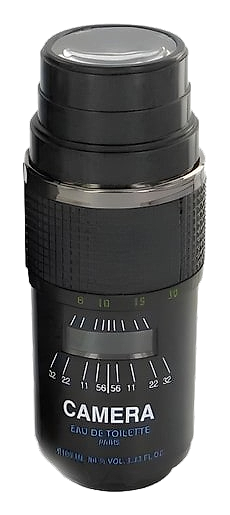
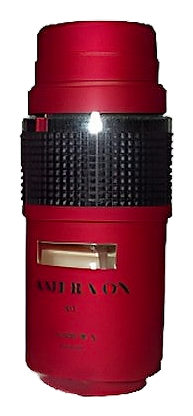
Camera On is built around a spare, woody idea of masculinity: less spectacle than composure. Its character comes through in the contrast between crisp brightness, earthy oakmoss, clean cedar, vetiver, and restrained spice. Nothing needs to announce itself. The composition moves quietly from a fresh opening into a greener, more textured center, then settles into warmth that stays close to the skin. That measured progression gives Camera On an easy identity. It feels suited to unhurried mornings, structured days, and evenings that don't need perfume to fill the room. The fragrance rewards attention without insisting on it, revealing its layers gradually as cedar gives definition, oakmoss supplies depth, vetiver keeps the profile restrained, and spice adds only a brief flicker of contrast.
What makes Camera On worth attention is what it leaves out. Bright fruit and dense sweetness never take control. Instead, cedar and oakmoss establish a woody structure, vetiver brings a dry, rooted quality, and spice remains a supporting accent. Cedar gives the composition clarity; oakmoss gives it weight without turning heavy. Vetiver threads through those deeper materials, keeping the effect balanced and polished. As the scent develops, the opening brightness gives way to a more mineral, earthy character. The spice is present, but it never dominates the blend.
The evolution
Camera On begins with a restrained impression of brightness over a woody foundation. The first impression is clean and transparent, but it quickly settles into a composition defined by oakmoss, cedar, and vetiver. Oakmoss supplies an earthy depth, cedar adds a clear structural line, and vetiver brings a dry, rooted texture that keeps the blend from becoming overly dense. Spice appears in support, adding warmth and contrast without separating itself from the larger composition. Over time, the opening impression recedes while the woody and mossy notes become more prominent. Cedar continues to provide definition, oakmoss gives the scent substance, and vetiver maintains its composed character. The result is gradual rather than dramatic: a fragrance that reveals itself in layers, moves from freshness toward greater depth, and leaves behind a close, quietly textured finish.
Cultural impact
Camera On can be understood through the appeal of fragrances that do not rely on a loud trail to make their presence felt. Its character is defined by a restrained woody profile, with oakmoss, cedar, and vetiver creating depth while spice provides a controlled accent. The composition feels suited to settings where wearing a fragrance is part of an individual routine rather than a performance for the room. Oakmoss contributes an earthy, textured impression, cedar supplies definition, and vetiver adds a dry, rooted quality that keeps the blend balanced. Together, they create something that rewards closeness rather than projection.
The House
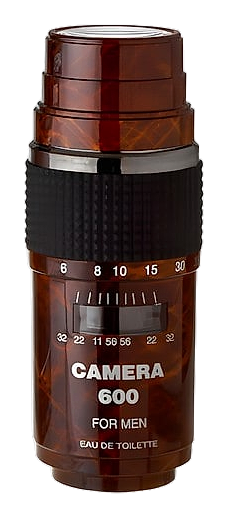
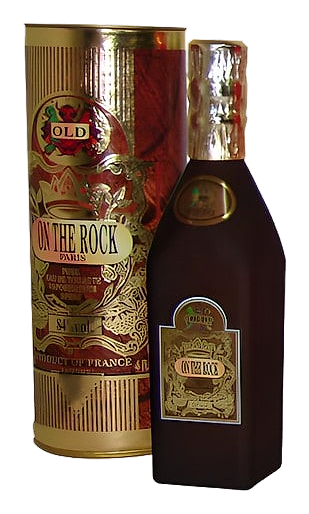
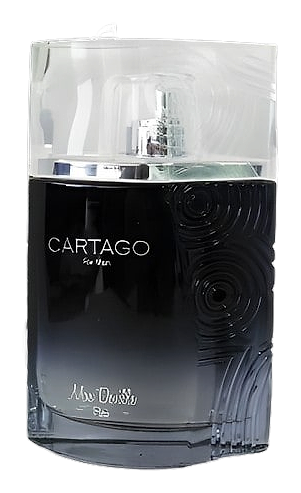
Max DevilleMax Deville is a Paris‑based fragrance house that emerged in the mid‑1990s with a focus on contemporary masculine scents. The brand builds its catalogue around clear, narrative‑driven concepts, offering fragrances such as Cartago, Camera 600, Silverado and On The Rock. Each launch reflects a moment in modern culture, from vintage photography to rugged road travel, and the line has gathered a modest following among collectors who appreciate its straightforward, confident style.
The Creator
Max DevilleMax Deville’s known fragrance profile leans toward polished citrus aromatics, balancing bright fruit with aromatic structure. Camera for Men, introduced during the 2000s, is built around lavender and mandarin orange, a combination that suggests freshness tempered by a clean, c…