The Story
Why it exists.
The beginning
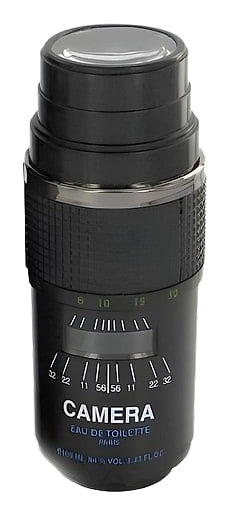
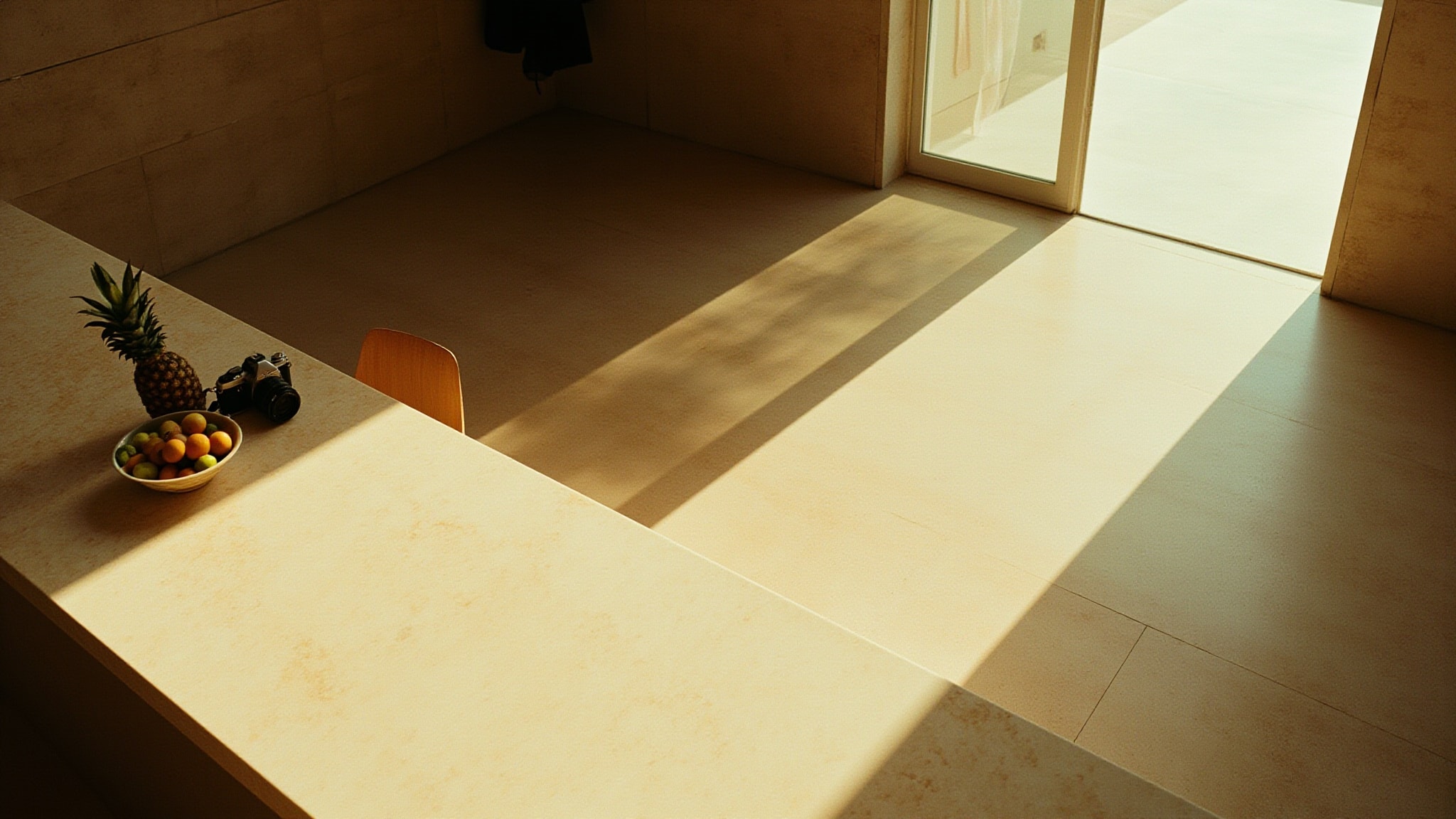
Camera for Men arrived in 2000 as part of Max Deville's Camera series, which drew from the aesthetic of 1960s film cameras. The brand had already released Camera 600 in 1998, establishing the narrative approach that would define the line. Camera for Men was positioned alongside Camera On, one formal, one casual, each targeting a different facet of the modern man. The brief was to translate the feeling of capturing a moment, the mechanical precision of an old camera body, into something wearable. Max Deville's philosophy centered on fragrance as personal narrative rather than fleeting trend, building each scent from a concrete story. For Camera for Men, that story was about preserving something, decisive, warm, worth remembering. The composition reflects this duality. Lavender and citrus open with clarity and purpose, like light through a lens. The floral heart softens without losing definition.
What makes Camera for Men unusual is the way it handles sweetness. The vanilla doesn't arrive soft, it builds. Coumarin, that hay-like molecule found in tonka and tobacco, bridges the gap between the floral heart and the sweet base, adding a dusty warmth that keeps the vanilla from feeling dessert-like. This isn't gourmand vanilla. It's vanilla as memory, vanilla as warmth without weight. The floral heart, rose and geranium, does quiet work here. Both are soft materials, prone to disappearing if surrounded by louder notes. In Camera for Men, they arrive just as the citrus and lavender begin to recede, filling the space without competing.
The evolution
The opening announces itself quickly: lavender and citrus cutting through with purpose. Bergamot and mandarin arrive bright, almost sharp, while the pineapple adds a tropical note that feels unexpectedly vintage. The citrus doesn't linger, it's here to introduce, not to stay. For the first thirty minutes, this is a clean, aromatic fragrance. Nothing controversial. Nothing unusual. Then the hand-off. The rose emerges first, soft and slightly sweet, followed by geranium's green, minty clarity. Together they create a heart that feels neither masculine nor feminine, simply warm. The transition happens around the forty-minute mark, when the citrus finally yields and the floral notes take their seat. The drydown belongs to vanilla, but the coumarin gets there first. That dusty, hay-like warmth arrives around the two-hour mark, preparing the way for the vanilla-patchouli base that follows. The vanilla is warm, slightly sweet, never cloying. The patchouli adds earthiness, grounding what could have been too soft.
Cultural impact
Camera for Men occupies a specific space in the early-2000s masculine fragrance landscape: floral-Oriental with creamy warmth, positioned between mass-market fresh and niche complexity. It's not a blockbuster, but among collectors who appreciate Max Deville's story-first approach, it holds a quiet reputation. The fragrance doesn't shout its character, it introduces itself, then waits. That patience has kept it relevant for those who've found it. Wearers who appreciate it tend to describe it as the scent of someone who knows exactly what they want and doesn't need approval.