Max Deville
Max Deville began his fragrance career as a Fine Fragrance Perfumer at Firmenich Paris in 1988, spending seven years in the city before moving to New York. His path is unusually rooted in both business and scent: before establishing his Paris-based label, he worked as a marketing executive and paired that commercial experience with a passion for perfume. That background gives Max Deville a distinctly independent perspective, one shaped by an appreciation for presentation as much as composition. Over the years, he has built a small but recognizable catalogue, with releases dating back to the late 1980s and a later fragrance for men. His career remains tied to the image of a confident Parisian fragrance house, though the available record reveals more about his professional trajectory than the private details of his training.
The hits
Notable creations
The signature
How Max composes
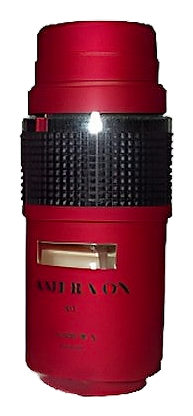
Max Deville’s known fragrance profile leans toward polished citrus aromatics, balancing bright fruit with aromatic structure. Camera for Men, introduced during the 2000s, is built around lavender and mandarin orange, a combination that suggests freshness tempered by a clean, classic character. The lavender gives the composition an herbal, powdery softness, while mandarin contributes light citrus brightness. This restrained pairing reflects a preference for clarity and wearability rather than dense, overt opulence. Across his work, the strongest impression is of a fragrance conceived as an elegant, accessible signature, with a measured balance between lift, texture, and composure.
Philosophy
What drives Max
Max Deville approaches perfumery through the meeting point of instinct and intention. His earlier career in marketing suggests a belief that fragrance must be communicated as clearly as it is experienced, yet his decision to work with independent perfumers points toward a more personal, exploratory process. Rather than presenting a single, rigid house style, his creative project seems to rest on collaboration and the freedom to let individual compositions develop their own character. The Paris setting adds another layer: scent becomes less a decorative accent than an expression of atmosphere, memory, and personal identity.
The houses
Maisons Max composes for
In the same league