The Story
Why it exists.
The beginning
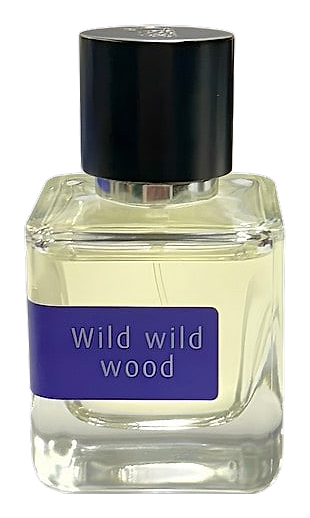
Wild Wild Wood marks the opening of something new. The Freedom Collection, Mark Buxton's answer to three decades of briefs written for other names. By 2025, the independent house had earned its voice. Wild Wild Wood is that voice, unfiltered: an amber woody fruity that refuses to apologize for being exactly what it is. Freedom, in scent, turns out to mean something bright and green and slightly untamed.
Apple and pineapple aren't a usual pairing, juicy enough to feel like a mistake, actually, if you're not careful. But the CO₂ pink pepper is the tell. That's Buxton's chemistry background surfacing: a synthetic that behaves like it belongs in nature, lifting the fruit without sweetening it. The magnolia and clary sage in the heart don't soften the opening so much as complicate it. The warmth underneath, cedar, amber, frankincense, contradicts the freshness in a way that takes patience to appreciate. Thirty years of compounding in service of a contradiction. That's the work here.
The evolution
Cypress and mandarin orange arrive first. Clean, crisp, the kind of green that smells like air moving through trees rather than the trees themselves. Pineapple and apple sit underneath, sweet without being soft, bright without being sharp. Then the pink pepper arrives. It doesn't announce itself so much as it disorients. Everything tilts sideways for a moment. Magnolia follows. The sweetness stays, but it's quieter now, folded into rose and clary sage. The drydown takes its time. Cedar doesn't rush. Sandalwood and amber Xtreme build something warm and slightly powdery, the warmth you feel when sun hits a wooden floor in late afternoon. Musk and vetiver linger close, frankincense threading through like a memory. Six hours later, skin holds the quiet version. Not gone. Just settled.
Cultural impact
Wild Wild Wood arrived in 2025 as a statement piece from a perfumer stepping out of three decades of luxury fashion collaborations into fully independent territory. Mark Buxton spent years crafting scents for Givenchy, Paco Rabanne, and Comme des Garçons before launching his own Paris-based house around 2008. The Freedom Collection represents his most personal creative statement, unconstrained by commercial demands. Wild Wild Wood signals a return to accessible niche, bridging the gap between mainstream designer accessibility and exclusive indie rarity. Its 2025 release timing positions it within a growing movement of perfumers reclaiming creative control from corporate fragrance houses.