The Story
Why it exists.
The beginning
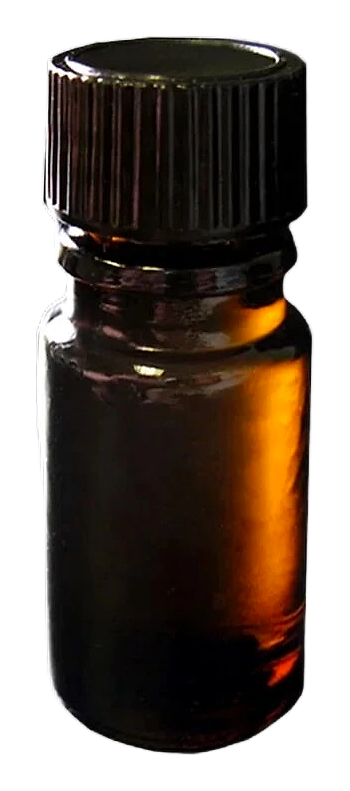
Patchouli Clouds draws from the atmosphere of a British autumn, that moment when smoke from bonfires drifts through cooling air, when the earth turns damp and dormant and the landscape asks for warmth. Marina Barcenilla, working from her Glastonbury studio, built this fragrance around a single tension: patchouli's natural earthiness against the softness it can achieve when balanced correctly. The name arrived from the imagery itself, clouds of scent, not clouds of weight. She wanted something that lived up to the sky rather than the earth. The 2012 launch came at a moment when patchouli-heavy fragrances were still associated with their denser, muskier heritage. This was a deliberate counterargument. A patchouli that didn't apologize for itself but reimagined what it could be.
What makes Patchouli Clouds structurally unusual is its pyramid: one top note, four heart notes, two base notes. Most fragrances reverse this, a burst of citrus up top, a quiet fade at the base. Here, the single top note of patchouli holds the opening with quiet confidence before the heart opens fully. Four ingredients in the heart means layers that shift as you wear it: rosewood's warmth arrives first, then Moroccan rose softens into jasmine sambac, with cinnamon providing a thread of warmth that connects everything. The base of sandalwood and frankincense doesn't disappear quickly, it lingers, close to the skin, which is where frankincense performs best.
The evolution
Patchouli arrives first, cool, slightly medicinal, unmistakably earthy but clean. Not sharp, not demanding. The opening reads almost like the air before rain. Within the first hour, rosewood introduces a warm woodiness, followed by Moroccan rose blooming into the composition. The transition surprises: jasmine sambac adds a subtle white floral dimension that could read sweet on paper but on skin reads as soft, almost powdery. Cinnamon keeps everything connected with a warmth that never overwhelms. The drydown is where sandalwood and frankincense take over, the frankincense particularly, that slightly resinous, sacred quality. This is the longest phase. The scent stays close to the skin for hours after application, intimate rather than projecting, the kind of fragrance someone notices when they're standing near you rather than across the room. The next morning, a faint trace of sandalwood and frankincense often remains on fabric.
Cultural impact
Patchouli Clouds won the Editor's Choice Beauty Shortlist Award in 2017, recognition that placed an indie oil-based fragrance alongside conventional alcohol dilutions. The win mattered because of what it said: that natural perfumery, with its varying batch characteristics and intimate sillage, could compete on the same stage. Wearers describe it as the fragrance for someone who doesn't need to announce themselves, the scent you'd choose for a long dinner rather than a first impression. It's accumulated a loyal following among those who find mainstream patchouli too heavy and synthetic patchouli too flat. The fragrance occupies a specific niche: approachable enough for daily wear, distinctive enough to be remembered.