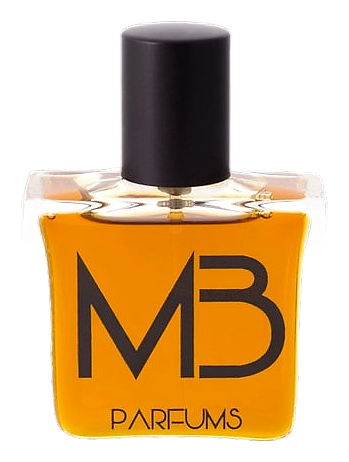

Heritage
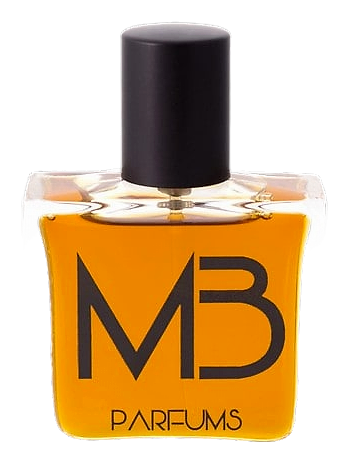
A house, in its own words
The story begins in 1997 when Marina Barcenilla started creating fragrance in her home, driven by an instinct for natural materials that few British perfumers were exploring at the time. She spent her early years developing her craft quietly, sharing creations with a small audience before deciding the time was right for something more formal. On 6th June 2011, she opened The Perfume Garden in Glastonbury, a small artisan perfumery nestled in the West Country. The launch collection featured six oil-based perfumes that reflected her commitment to natural ingredients and artisanal methods. The house quickly gained recognition for its distinctive approach, earning the kind of critical attention that larger brands struggle to achieve. Marina expanded her reach through The School of Creative Perfumery, teaching natural perfumery for over a decade and shaping the next generation of independent creators. Her two FIFI awards validated what her students and clients already knew: here was a perfumer with genuine vision. The brand eventually rebranded as Marina Barcenilla Parfums, or MB Parfums, reflecting a broader identity beyond The Perfume Garden while retaining its artisan spirit. For Marina Barcenilla, perfume should reconnect us with something deeper than trend. She works primarily with natural materials, choosing ingredients for their honesty and the stories they carry rather than their marketability. This approach means her fragrances often behave differently on each wearer, developing with individual body chemistry in ways that synthetic compositions rarely permit. She speaks of scent as a medium for memory and place, a philosophy evident in names like Under The Orange Tree and Spring Rain. Rather than chasing the familiar comfort of synthetic longevity, she accepts the shorter trails natural materials leave, treating this as a feature rather than a flaw. Her work as an educator informs her philosophy too. Teaching natural perfumery has reinforced her belief that understanding ingredients deeply produces better results than relying on molecular libraries. She wants wearers to pause, to notice, to experience fragrance as an active encounter rather than ambient background.