
The Story
Why it exists.
The beginning
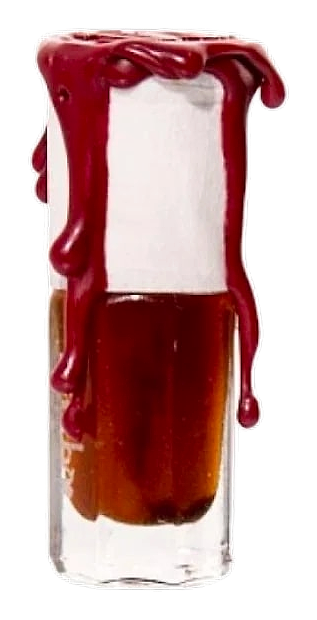
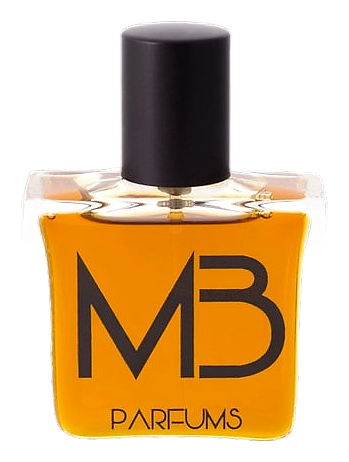
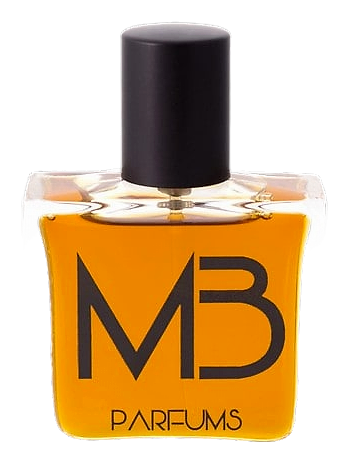
Marina Barcenilla watched a white flower become something else entirely. The osmanthus, usually delicate, sweet, the kind of scent associated with afternoon gardens and gentle florals, became in her hands something darker, more unpredictable. The 2017 launch, backed by a FiFi Award for Best New Independent Fragrance, isn't subtle about its intent. 'Innocence shattered,' the brand writes. That's not metaphor. That's the brief.
Osmanthus typically smells like apricot jam, sweet skin, a gentle warmth. Here, Marina Barcenilla reframes it entirely. The sweet floral doesn't soften the leather, it heightens the contrast. Blackwood and smoke wrap around the osmanthus like a held breath. The result is a fragrance that smells like a memory of a flower, not the flower itself. That abstraction is the trick.
The evolution
Saffron and pepper hit first, that distinctive medicinal-sweetness that either grabs you or makes you step back. Within thirty minutes, leather takes the lead and smoke fills the space around it. The osmanthus doesn't appear immediately. When it does, around the two-hour mark, it arrives sweet and apricot-soft against all that darkness. Then the resins begin their slow claim. Myrrh, patchouli, sandalwood. The leather softens but never fully recedes. Eight to ten hours later, it lives on skin and fabric alike. A trace on a collar the next morning.
Cultural impact
Black Osmanthus has earned a following among fragrance collectors who appreciate its boldness and complexity. Community ratings consistently praise its strong sillage and longevity, with wearers describing it as the scent of someone who doesn't need to announce themselves. The fragrance occupies a distinctive niche within the smoky-leathery category, darker and more provocative than many in its class, but with a floral sweetness that keeps it from becoming purely masculine.