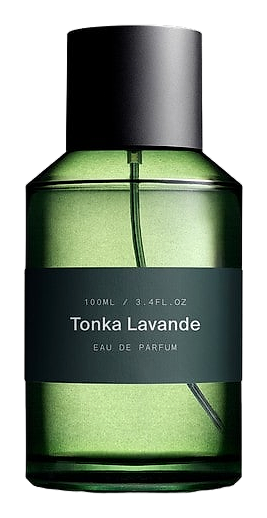
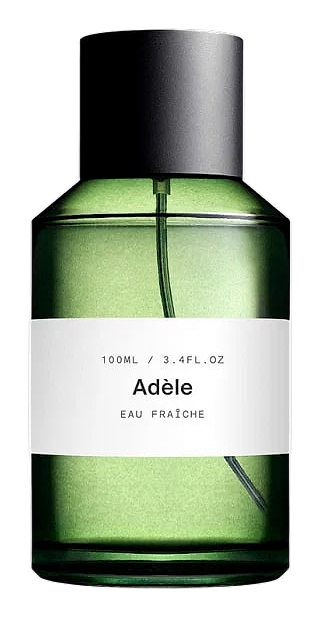
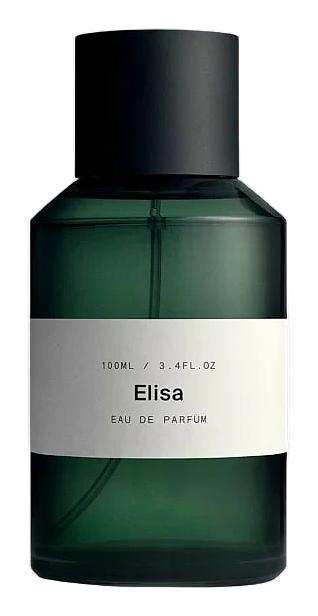
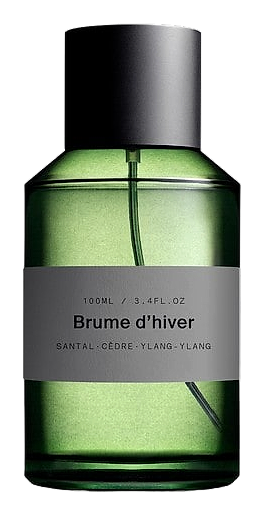
The Story
Why it exists.
The beginning
Marcelle is named for something personal, a reference to quiet refinement over spectacle. Perfumer Michèle Saramito wanted to modernize the classic cologne structure, using the Maubert family's access to high-quality Grasse ingredients. The idea: what if cologne didn't shout? What if it simply arrived, impeccably composed, and let you do the rest?
The composition takes the citrus-neroli-botanical skeleton of traditional cologne and gives it contemporary weight. The ingredient sourcing matters here, Italian bergamot and Spanish grapefruit aren't interchangeable, and the difference shows in the sharpness versus the tart sweetness. Tunisian neroli brings its characteristic waxy, slightly bitter floral character, while Paraguayan petitgrain adds green, slightly medicinal backbone. Together, they prevent the florals from getting precious. Jasmine in the heart is creamy but restrained, never tipping into heady territory. Benzoin in the base isn't a vanilla substitute, it's a resinous warmth that grounds everything without sweetness.
The evolution
The opening is immediate: bergamot, grapefruit, mandarin, a bright, tart trio that reads as almost effervescent. It lasts clean and crisp for the first hour, maybe ninety minutes, before the citrus begins to recede. What takes over is the neroli and petitgrain. These two notes transform the character, the brightness becomes waxy, green, slightly bitter in a way that feels botanical rather than harsh. Jasmine arrives shortly after, softening the transition. The heart holds for several hours, maintaining that clean-but-weighty quality. When the base finally emerges, benzoin warming into the skin, musk wrapping around everything, the whole composition settles close. You'll smell traces of it on your sleeve the next morning.
Cultural impact
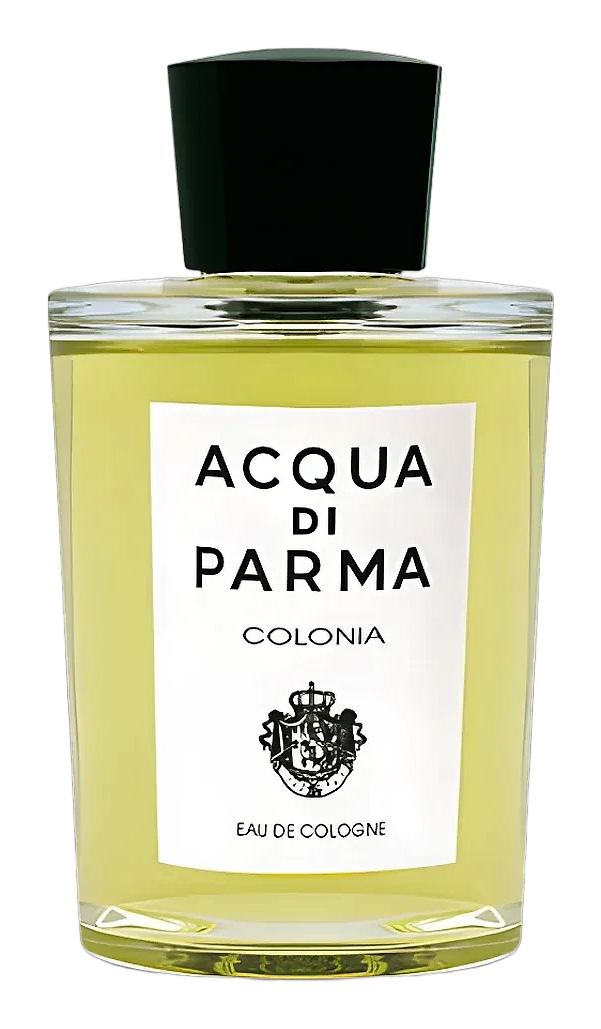
Marcelle fits into a specific niche: the modern cologne for someone who finds traditional citrus fragrances too aggressive but florals too soft. It occupies the same space as refined colognes from houses like Acqua di Parma, confident without being loud, contemporary without being trendy. Wearers tend to describe it as the scent of someone who doesn't need to announce themselves. It's been positioned as an everyday luxury, the kind of fragrance that works because it knows exactly what it is.
The House
Marie JeanneMarie Jeanne is a French niche fragrance house established in 2014 in Grasse, the historic center of French perfumery. The brand was founded by Georges Maubert, who represents the fifth generation of his family within Robertet, a Grasse-based supplier of natural fragrance ingredients. This lineage provides Marie Jeanne with direct access to high-quality botanical extracts and allows the house to maintain close oversight of ingredient sourcing and quality. The brand creates perfumes that draw on this heritage, translating generational expertise into contemporary scent compositions. Marie Jeanne operates independently while benefiting from the family's established infrastructure in natural raw materials, giving the house a distinctive position in the niche fragrance landscape where provenance and transparency inform each creation.
The Creator
Michèle SaramitoSaramito's signature emerges from her masterful handling of natural florals, particularly rose centifolia, which she harvests annually in Grasse. Her compositions often feature aquatic and ozonic elements, as demonstrated in Acqua Lotus, where she translates watery freshness i…