The Story
Why it exists.
The beginning
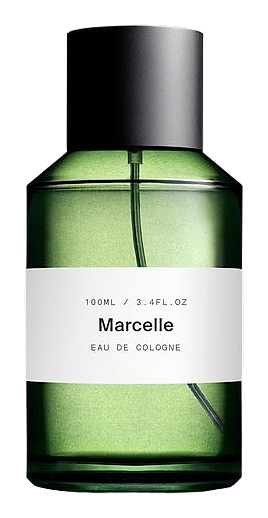
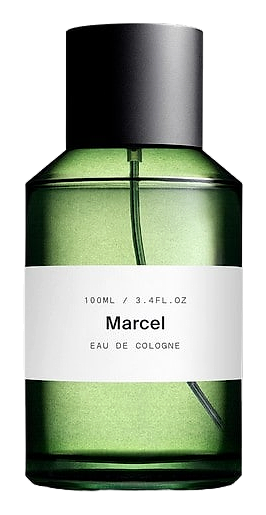
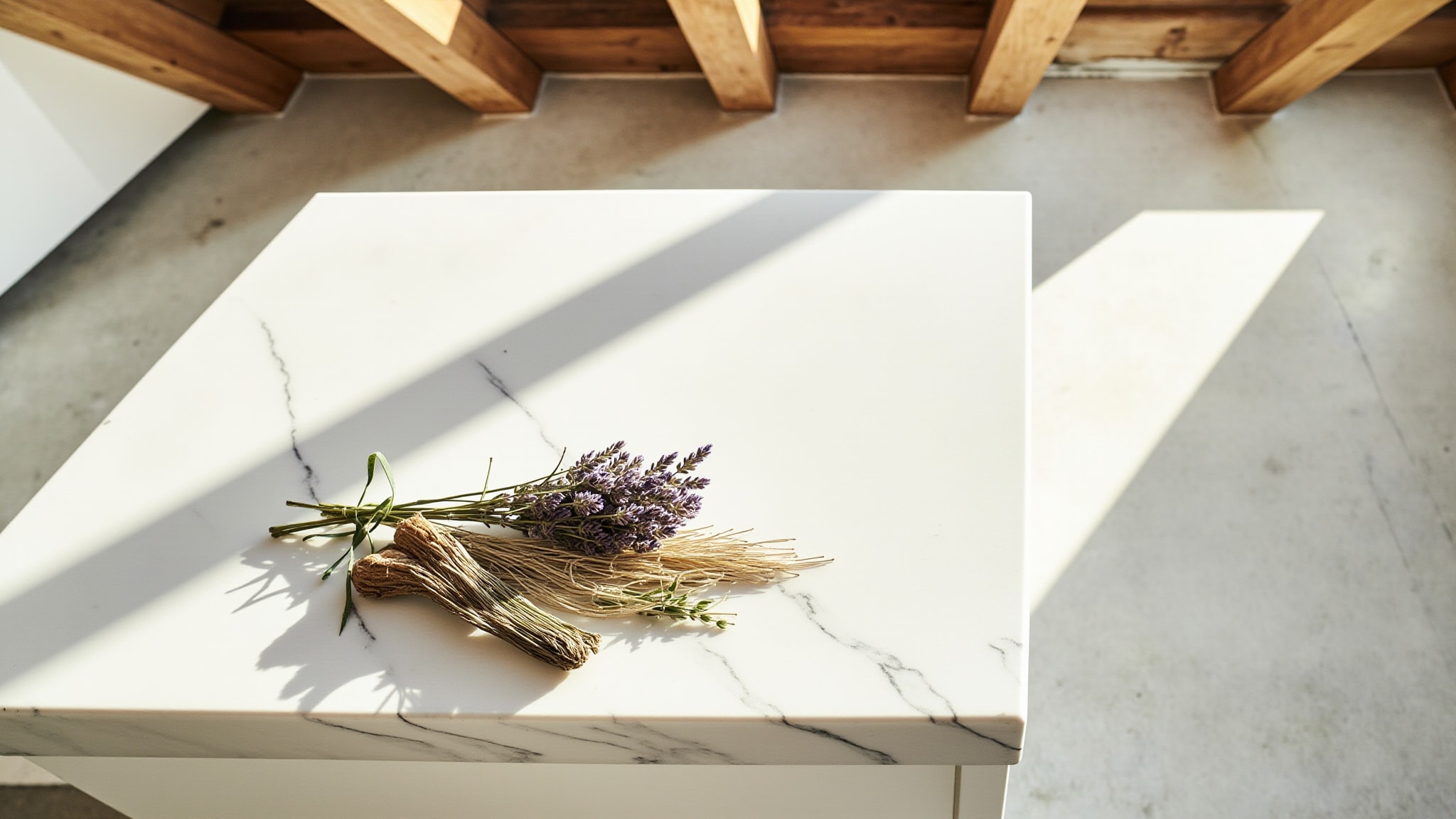
Marcel arrived in 2020, when Karine Vinchon Spehner wanted to ask a deceptively simple question: what happens if a cologne refuses to behave like one? The traditional eau de cologne structure, bright citrus top, quick fade, was the brief and the constraint. Spehner chose to work within it and against it simultaneously. French lavender and rosemary formed the aromatic spine. Petitgrain added the bitter-green cut of citrus without the usual fleeting payoff. The result sits in the space between what's expected and what's delivered, a cologne that takes its time, that has something to say after the first hour.
The unusual choice in Marcel is ylang-ylang. Typically relegated to the heart of feminine florals, here it anchors the composition with a leathery, almost waxy quality that reads as skin-warm rather than sweet. This is what elevates the fragrance from competent to worth discussing. The Haitian vetiver and Indonesian patchouli in the base don't just provide longevity, they create a drydown that smells like the person wearing it has been somewhere, done something, rather than simply smelling pleasant on a errands day.
The evolution
The opening lasts longer than expected. Italian bergamot and rosemary arrive together, herbal, green, sharp, then blood orange arrives unexpectedly with a darker citrus sweetness that prevents anything from reading as generic. Within ten minutes, the lavender emerges alongside petitgrain's bitter citrus, and the ylang-ylang begins its slow disclosure, that waxy floral warmth creeping upward through the composition. By the heart phase, the fragrance has shifted register entirely. It's no longer a cologne, it's something warmer, more intimate, with a leather accord that reads as skin rather than accessory. The drydown takes its time. Vetiver and cedar arrive around the two-hour mark, earthy and grounding, with patchouli adding a low warm hum beneath. On fabric, the lavender persists longest. On skin, the vetiver wins. The next morning, cedar. The kind of fragrance that leaves evidence.
Cultural impact
Marcel occupies an interesting position, neither safe fresh designer nor full-commitment niche. It appeals to men who've aged out of mass-appeal fragrances but aren't interested in the maximalism of ultra-niche. The reception has been consistent: people who wear it once come back curious. It's the kind of cologne that works hardest when you think you're just wearing a cologne.
The House
Marie JeanneMarie Jeanne is a French niche fragrance house established in 2014 in Grasse, the historic center of French perfumery. The brand was founded by Georges Maubert, who represents the fifth generation of his family within Robertet, a Grasse-based supplier of natural fragrance ingredients. This lineage provides Marie Jeanne with direct access to high-quality botanical extracts and allows the house to maintain close oversight of ingredient sourcing and quality. The brand creates perfumes that draw on this heritage, translating generational expertise into contemporary scent compositions. Marie Jeanne operates independently while benefiting from the family's established infrastructure in natural raw materials, giving the house a distinctive position in the niche fragrance landscape where provenance and transparency inform each creation.
The Creator
Karine Vinchon SpehnerKarine's signature centers on natural raw materials used with liberal hand. She gravitates toward warm, enveloping notes: amber, rich woods, and earthier elements.