The Story
Why it exists.
The beginning
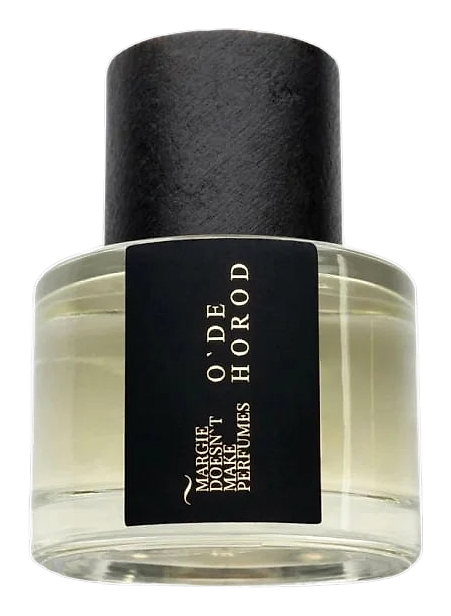
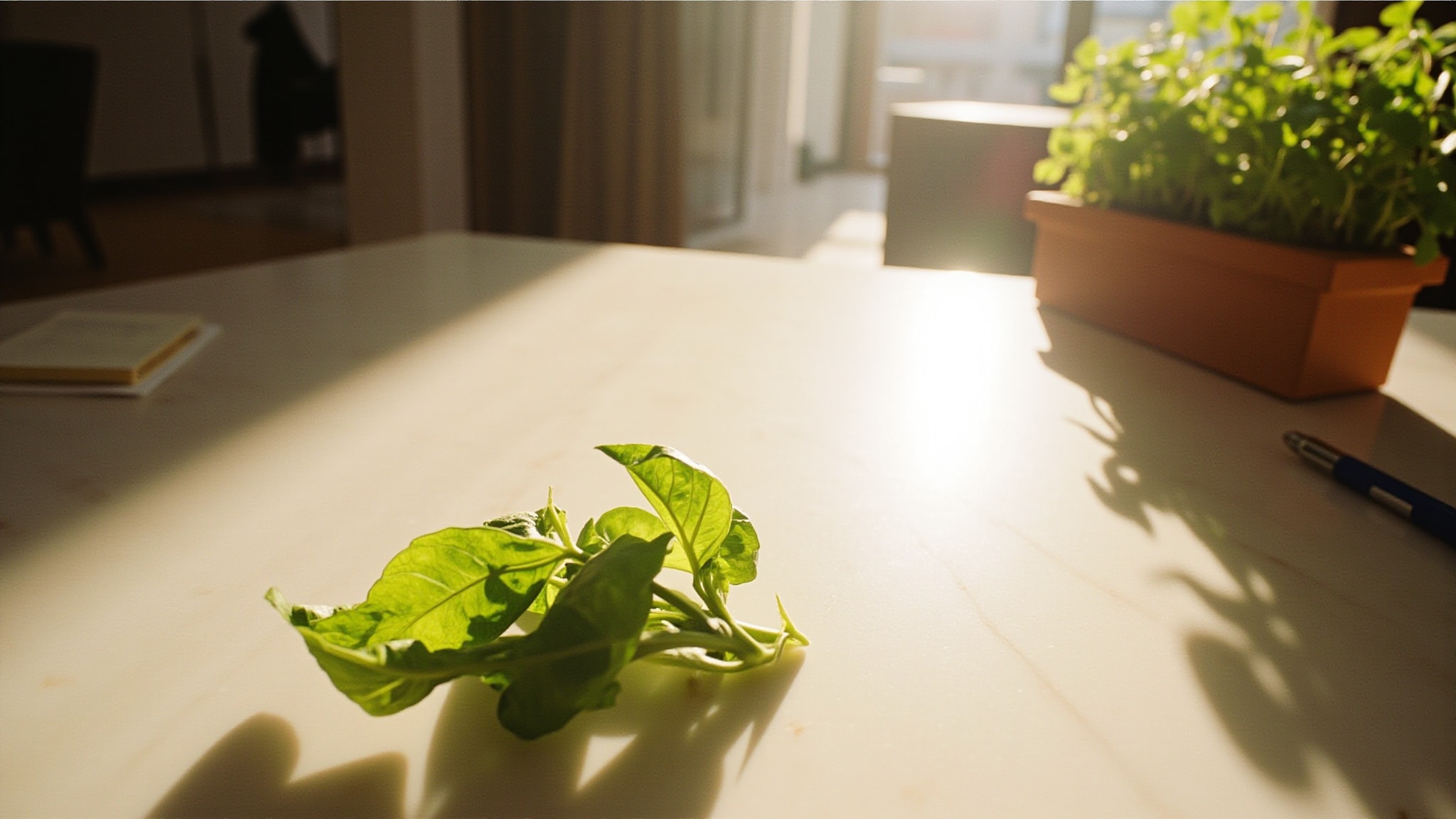
O'de HOROD launched in 2024 from a one-woman studio in Ukraine, composed entirely by Maria Ruban under her Margie Doesn't Make Perfumes banner. The fragrance reads as a dense aromatic green, a category built around the smell of living plants rather than extracted florals, and Ruban reaches into unusual territory to build it. Tomato leaf gives that immediate vegetal sting, basil lends a warm herbal sweetness underneath, blackcurrant leaf adds a sharp almost resinous quality, while hyssop pulls things toward the bitter and slightly medicinal. Cubeb enters with its own dry heat, a pepper note that sits closer to the skin than it burns on the tongue.
Radish leaf adds a peppery snap that cuts through the softer greens, green peas introduce something almost starchy and round, the kind of sweetness that comes from the plant itself rather than any added sugar, and hyssop brings a faintly bitter herbal edge that keeps the composition honest. Cubeb, sourced as a dry pepper note, layers in warmth that prevents the whole structure from collapsing into something that smells like garnish. The pea note especially marks this as a Ruban decision, a less common material handled with intention.
The evolution
The opening hits within seconds: green, sharp, vegetal, with the unmistakable tang of crushed tomato leaf riding over blackcurrant bud and a squeeze of citrus zest. There's nothing polite about it. For the first 20 to 30 minutes the basil dominates, and the radish keeps things crunchy, almost raw, like snapping a stem between your fingers. Around the 45-minute mark the composition begins to soften. Hyssop emerges with its herbal bitterness, the cubeb starts to glow warm at the edges, and the whole structure tilts from raw green to something more contemplative. By hour three the cedar and juniper wood take over. The green doesn't vanish, it just retreats behind a clean, dry woodiness that smells faintly of cedar fencing warmed by late afternoon sun.
Cultural impact
Maria Ruban's approach to O'de HOROD, favoring radish, green pea, and cubeb over more familiar green templates, shows a clear preference for materials that most perfumers pass over. The fragrance doesn't announce itself as part of any movement; it simply exists as the work of one composer who reached for what interested her rather than what the market expected. Wearers tend to describe it less as a fragrance and more as a place they return to. There's a groundedness to it, a sense that the composition was built from actual plants rather than from ideas about plants.