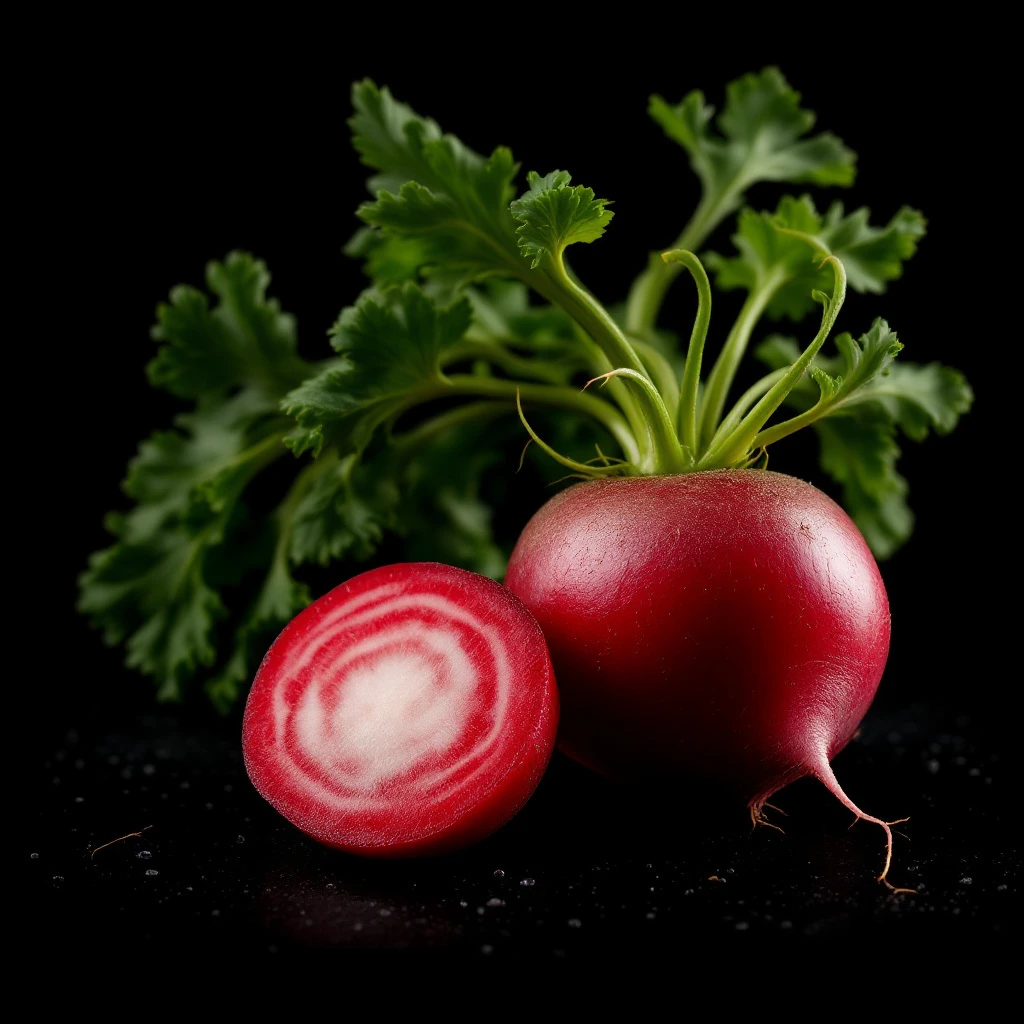
Radish
Radish brings a crisp, peppery snap to perfumery, capturing the vegetal bite of freshly sliced root with green, almost metallic accents. An unconventional note that adds crunchy freshness to modern compositions.
Character
How it smells
The peppery crunch of root vegetables in scent.
Radish is one of the rarest edible notes in mainstream perfumery, appearing in roughly a dozen niche fragrances since 2015, prized for its ability to mimic the smell of rain on dry earth.


Origin
Not applicable (synthetic)
Radish has no documented history as a classical perfumery ingredient. The root, cultivated for over 4,000 years across Asia and the Mediterranean, was valued strictly as food and, in some folk traditions, for its purported medicinal properties.
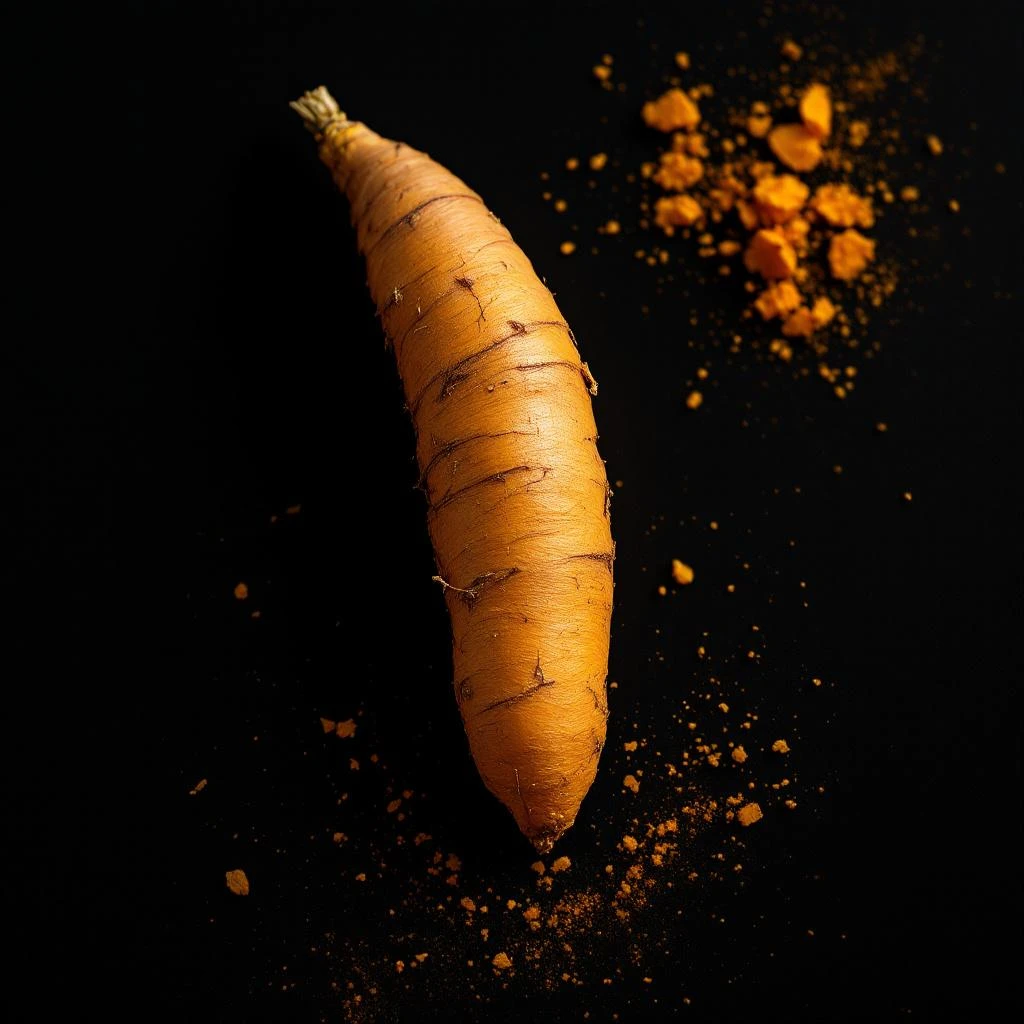
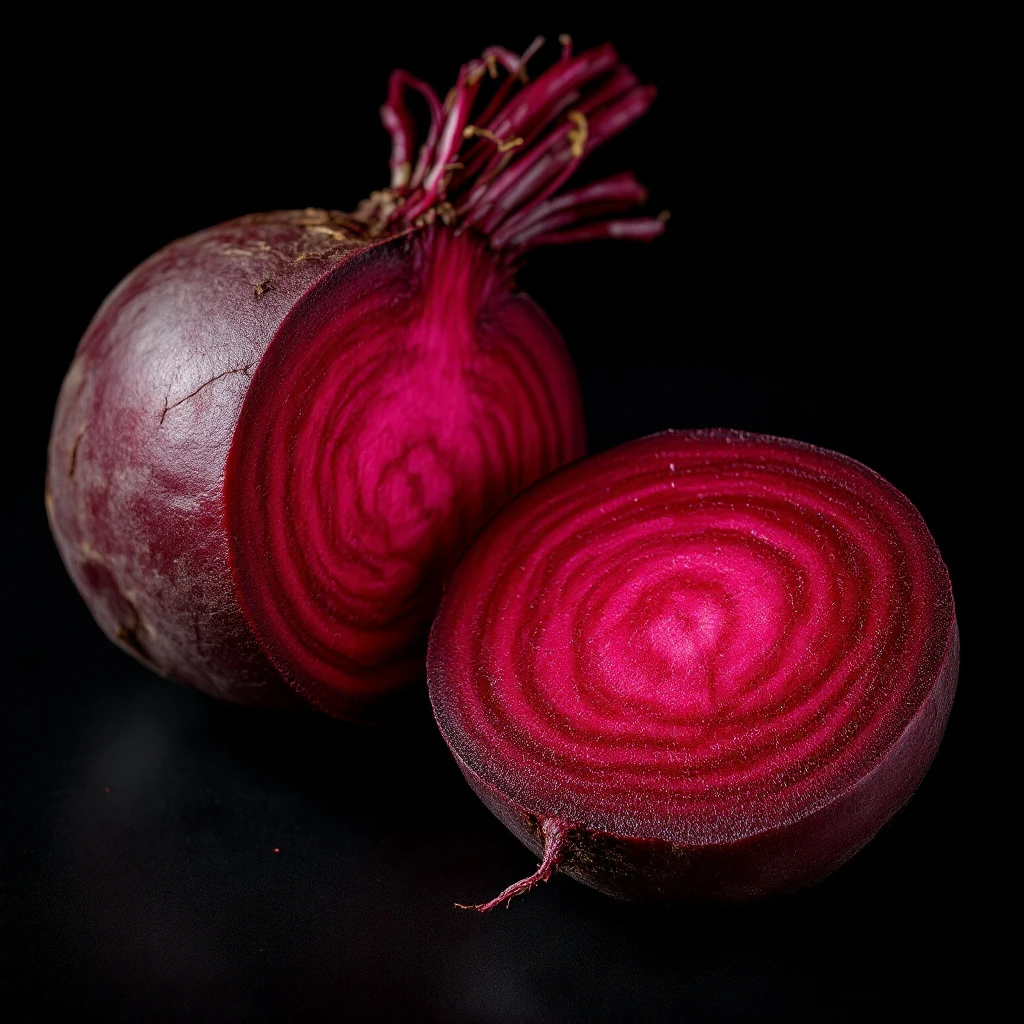
Its transition into fragrance coincided with the rise of avant-garde and gourmand perfumery in the early 2010s, when perfumers began chasing hyperrealistic vegetable and earthy accords. The note gained traction through niche houses experimenting with photorealism, a trend that placed radish alongside other unusual materials like tomato leaf, beet, and carrot in modern compositions.
Before this, no major perfume house had attempted to bottle its sharp, sulfurous character. Today, radish remains a curiosity ingredient, appearing sparingly in avant-garde launches rather than becoming a staple of mainstream perfumery.
Wears it best
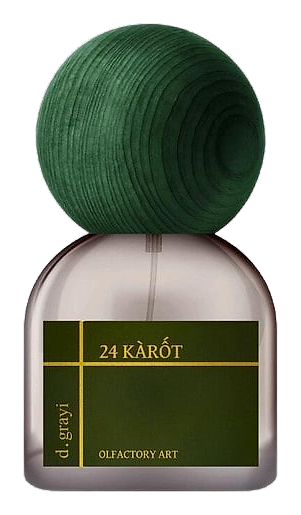
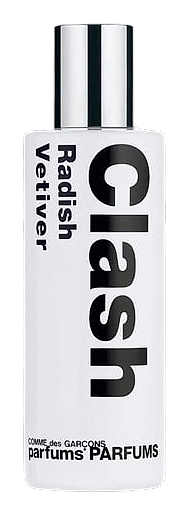
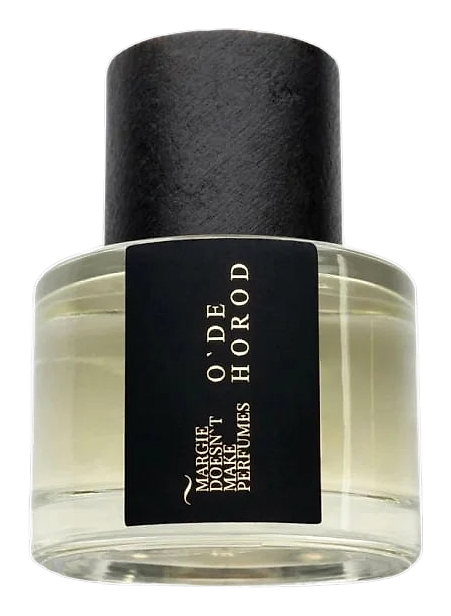
Fragrances featuring Radish
Brands
Brands known for Radish
Good to know
Questions, answered
The essentials on Radish in perfumery: how it smells, where it comes from, and how it behaves on skin.
What does radish smell like in perfume?
Radish note smells crisp, peppery, and green, with a sharp sulfurous bite similar to cutting a fresh root. It carries subtle earthy and slightly sweet undertones that read as wet vegetable skin.
Is radish a common fragrance note?
Radish is uncommon, appearing in roughly a dozen niche fragrances since 2015. Most mainstream perfume houses have not used it, making it a curiosity ingredient rather than a staple.
How is radish fragrance material made?
Radish aroma is almost always synthetic. Key molecules like methional and specific sulfur compounds approximate the root's natural chemistry, since traditional distillation cannot capture its volatile character intact.
Does radish note smell realistic?
Yes, modern radish accords are considered photorealistic. Perfumers blend methional with green-aldehydic compounds to closely mimic the scent of a freshly sliced root.
What types of fragrances feature radish?
Radish appears primarily in avant-garde and green fragrances seeking unusual vegetable realism. It pairs with watery, mineral, or earthy notes rather than sweet gourmand bases.
Is radish safe in perfume?
Yes, radish-derived synthetic aroma molecules are safe for cosmetic use at typical concentrations. They fall under standard IFRA safety guidelines for fragrance ingredients.
Can radish be extracted naturally?
Natural radish extraction is possible but rare. Cold-pressing radish seeds yields a mild oil, while capturing the root's volatile sulfur character through distillation remains technically difficult.
When did radish enter perfumery?
Radish emerged as a fragrance note in the early 2010s, coinciding with the rise of hyperrealistic niche perfumery. Before then, it had no documented use in commercial fragrance.