Heritage
A house, in its own words
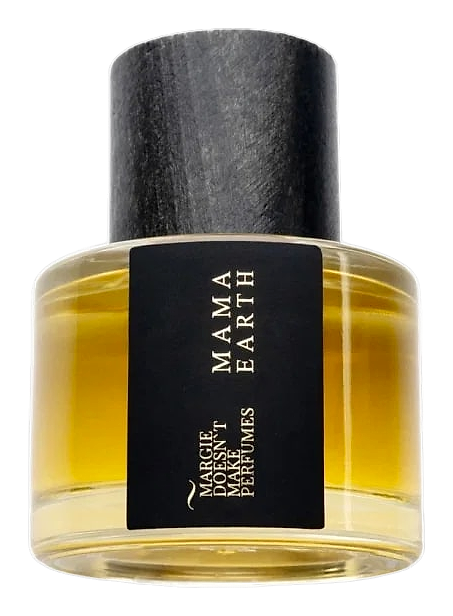
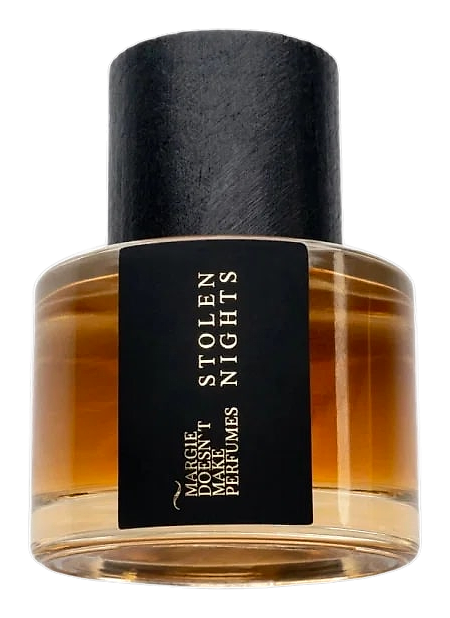
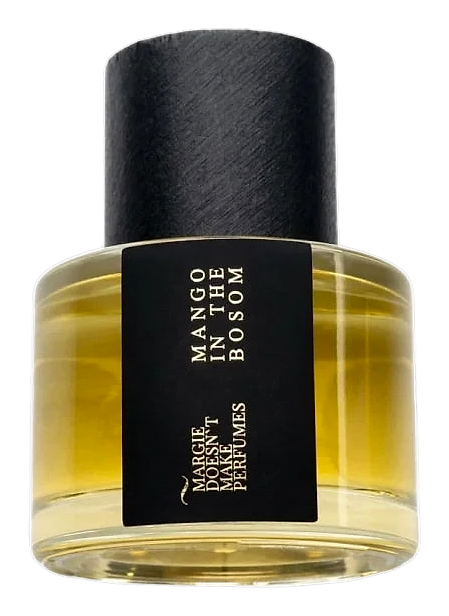
Margie Doesn't Make Perfumes was founded in 2023 by Maria Ruban as a micro-brand operating out of Ukraine. The project began with a straightforward ambition: to create original niche perfume under one person's complete creative direction, with no committee, no external perfumer, and no separate design studio. Maria Ruban is the founder, nose, and designer behind every release, a structure that places the brand among a small group of solo-authored perfume houses rather than conventional atelier models. The name itself carries a knowing wink, a contradiction designed to be read against the bottle. In a global fragrance industry shaped by centuries-old houses and large corporate portfolios, a brand founded in the early 2020s by an independent Ukrainian maker represents a different kind of origin story. There is no inherited archive, no legacy formula passed down through generations, and no historic flagship. Instead, the heritage of Margie Doesn't Make Perfumes is being written release by release, with Maria Ruban establishing the visual language, the olfactory direction, and the production philosophy from scratch. The micro-brand scale keeps the operation deliberately small, allowing each fragrance to remain closely tied to its creator's sensibility and the specific moment in which it was conceived. In just a few years, the label has begun to attract attention in the niche perfume conversation as a quiet, independent voice from Eastern Europe, building a body of work defined by personal authorship rather than corporate momentum. At the center of Margie Doesn't Make Perfumes is a simple but uncompromising idea: one person should be able to carry a fragrance from concept to finished object. Maria Ruban's creative vision treats perfume not as a product to be licensed or co-developed, but as a personal expression that holds together only when every choice, from raw material to bottle silhouette, passes through a single sensibility. The brand rejects the fragmented model common in larger houses, where composition, branding, and manufacturing are often handled by separate teams. Maria sees continuity between the scent inside and the vessel outside, and she treats both as part of one artistic statement. There is also a clear independence in how the brand positions itself. As a micro-label rather than a commercial operation, it can resist the pressure to chase trends or expand beyond a comfortable size. Each fragrance reflects a specific idea Maria wanted to explore, and the small scale ensures that the work stays close to its source. The result is a perfume house built around authorship, restraint, and the belief that the most distinctive niche creations come from artists who refuse to split the creative process.