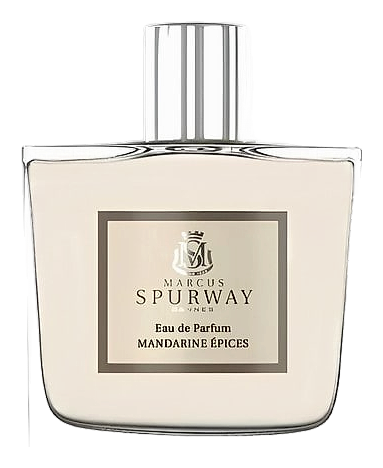

The Story
Why it exists.
The beginning
Mandarine Épices is built into its name: mandarin gives the composition its first bright fruit, while épices points toward the warming spice that follows. Mandarin and peppermint establish a brisk fruit-and-mint contrast, bright citrus meeting a cool, clean lift. As the scent develops, nutmeg introduces rounded warmth, while patchouli and sandalwood give the composition an earthy, woody foundation. The identity comes from that contrast, a lively citrus opening settling into a deeper blend of spice, earth, and wood. The progression is gradual rather than theatrical, with each group of notes changing the texture of the fragrance while preserving its fresh-spicy character.
The unusual part is how the freshness behaves. Mandarin and peppermint read as a brisk, almost clinical opening, but the warmth of nutmeg adds depth without losing that clean feeling. As the fruit softens, patchouli and sandalwood bring weight beneath it. The minty brightness gives way to a drier, more tactile center, then the base settles into an earthy and woody finish. It's a useful reminder that fresh fragrances don't have to be weightless, and that a cool opening can develop into something distinctly grounded.
The evolution
The first impression is immediate: mandarin's bright peel and peppermint's cool lift move across skin with little ceremony. Nutmeg gradually takes the edge off that brightness, introducing a warmer, gently spiced rhythm. As the fragrance settles, patchouli gives the composition a darker root, while sandalwood smooths the earthiness into something more polished. The progression is less about a dramatic change than a careful handoff, from clean citrus to spiced depth. The fresh notes define the opening, while patchouli and sandalwood shape the later impression, leaving a warmer and more grounded trail as the composition wears down.
Cultural impact
Mandarine Épices can be understood through its fresh-spicy composition. Mandarin and peppermint create a bright opening, while nutmeg, patchouli, and sandalwood gradually introduce warmth and depth. Its interest comes from placing familiar materials in a fresh-spicy register, giving the scent a character that moves easily between citrus brightness and earthy wood. The result invites attention to how contrasting notes can shape a fragrance without making the transition feel abrupt.
The House
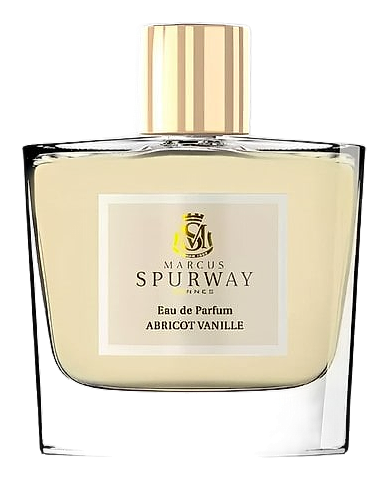
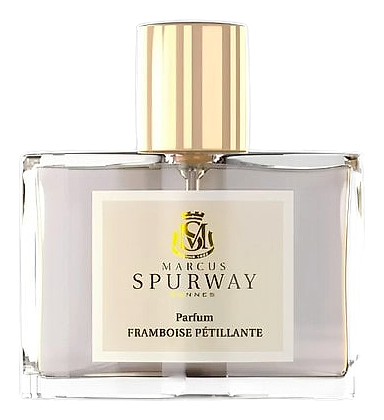
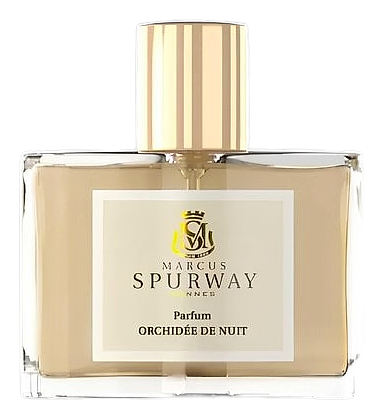
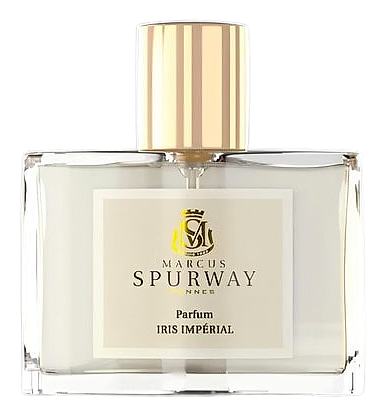
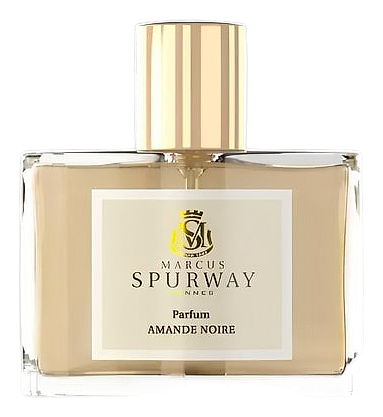
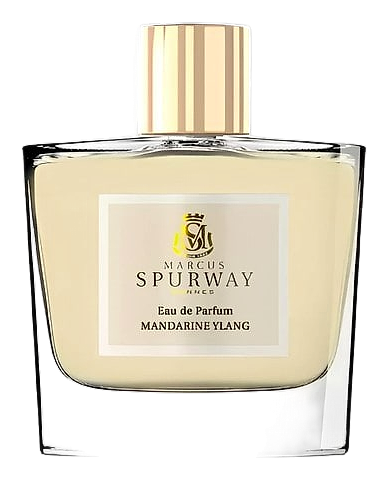
Marcus SpurwayMarcus Spurway is a French perfume house whose lineage stretches back to the early nineteenth century. Today the brand releases contemporary collections that reference its historic roots while speaking in a modern olfactory language. Its 2024 lineup—Tonka Obscure, Héros, Amande Noire, Mandarine Épices, Iris Impérial, Néroli Suprême, Ambre Blanc, Mandarine Ylang, Orchidée de Nuit and Pomme Vétiver—shows a commitment to both classic ingredients and daring compositions.
The Creator
Marcus SpurwaySpecific notes and techniques are not documented in the available research, so it would be premature to assign Spurway a fixed signature. Still, the company’s combined focus on perfumery, cosmetics, and home fragrance suggests an interest in scent that works across textures an…