Marcus Spurway
Marcus Spurway is the name attached to a local direct-selling company that designs, manufactures, and distributes niche products across perfumery, cosmetics, and the home. That breadth suggests a hands-on approach to scent, one that reaches beyond a single bottle and into the rituals of everyday life. Public information about Spurway’s formal training, early career, and personal breakthrough remains limited, so the most reliable portrait is one built around the company’s clear creative scope. His work sits at the meeting point of composition and manufacture, giving him a direct role in shaping how a fragrance is imagined, made, and experienced. The name also appears in connection with perfumery activity, though available sources do not establish a complete list of individual compositions or a definitive training history.
The hits
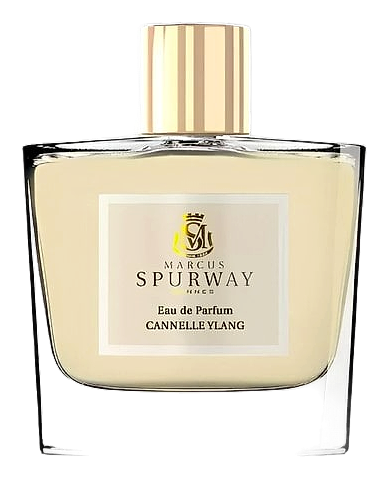
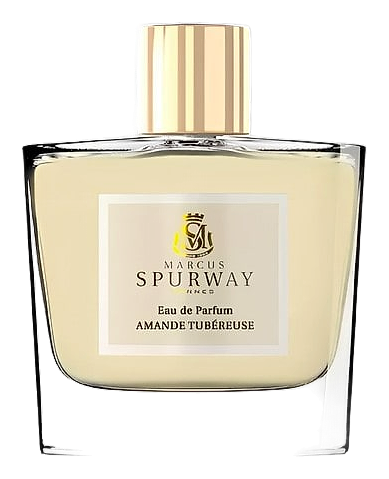
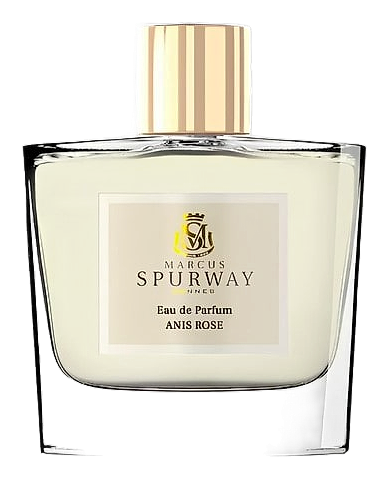
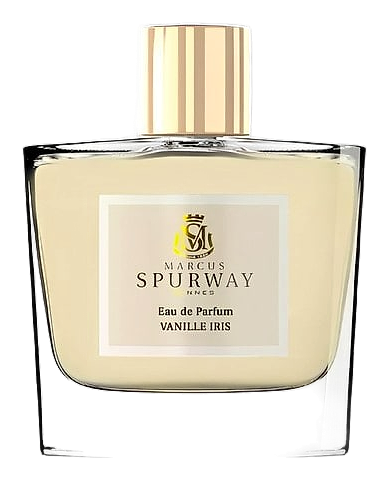
Notable creations
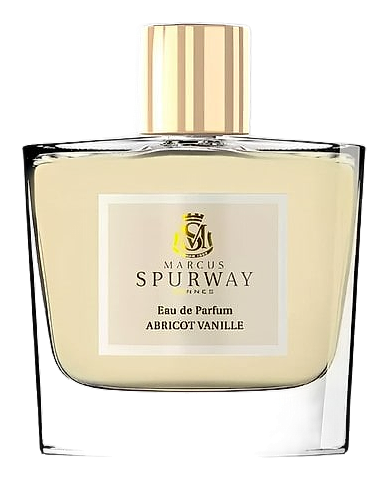
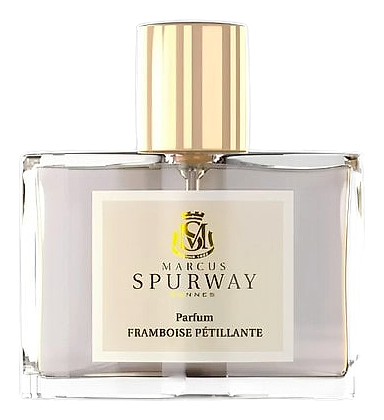
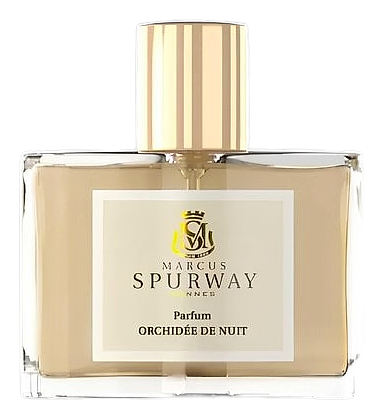
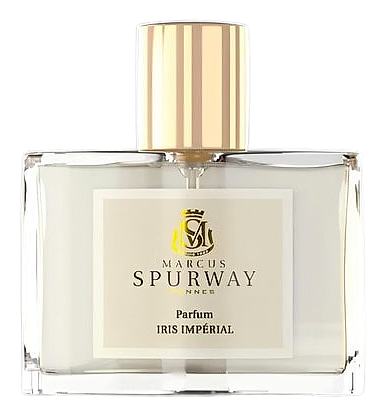
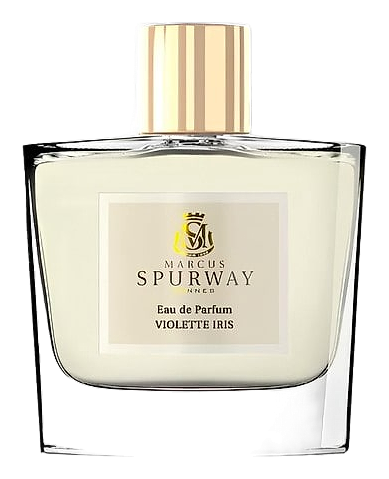
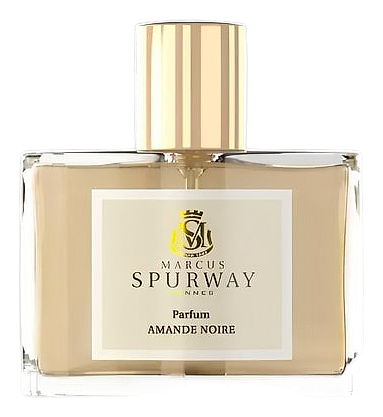
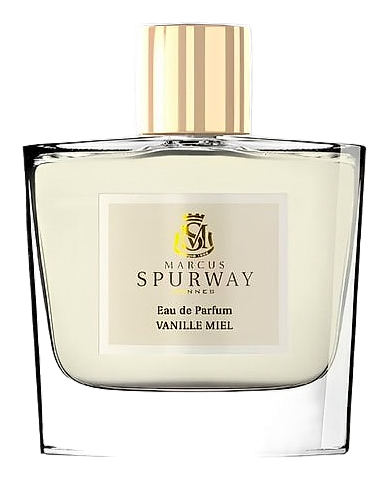
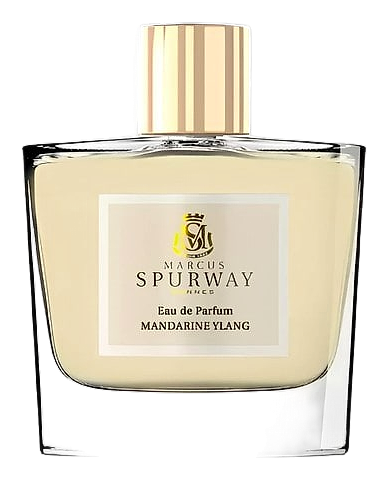
The signature
How Marcus composes
Specific notes and techniques are not documented in the available research, so it would be premature to assign Spurway a fixed signature. Still, the company’s combined focus on perfumery, cosmetics, and home fragrance suggests an interest in scent that works across textures and surfaces. That kind of work rewards careful balance, because a fragrance intended for skin may need a different presence from one meant for a room. It also invites compositions with enough clarity to be recognizable and enough adaptability to suit repeated wear. The public record gives no confirmed evidence of preferred ingredients, extraction methods, or proprietary perfumery techniques. For now, the safest stylistic reading is versatile, lifestyle-minded scent with a direct connection to personal ritual and domestic atmosphere.
Philosophy
What drives Marcus
Spurway’s creative perspective appears rooted in accessibility and versatility. A direct-selling company working across fragrance, cosmetics, and home products can treat scent as part of daily life rather than as a special occasion reserved for one room or one ritual. That does not make the work simplistic. It asks for compositions that can communicate clearly while fitting naturally into different moods and settings. His approach seems shaped by the practical side of perfumery: the pleasure of a well-built scent, the pleasure of wearing it, and the pleasure of letting it extend through the home. The available material does not confirm a signature methodology, but it points to a brand identity built around making niche fragrance feel personal, approachable, and lived-in.
The houses