The Story
Why it exists.
The beginning
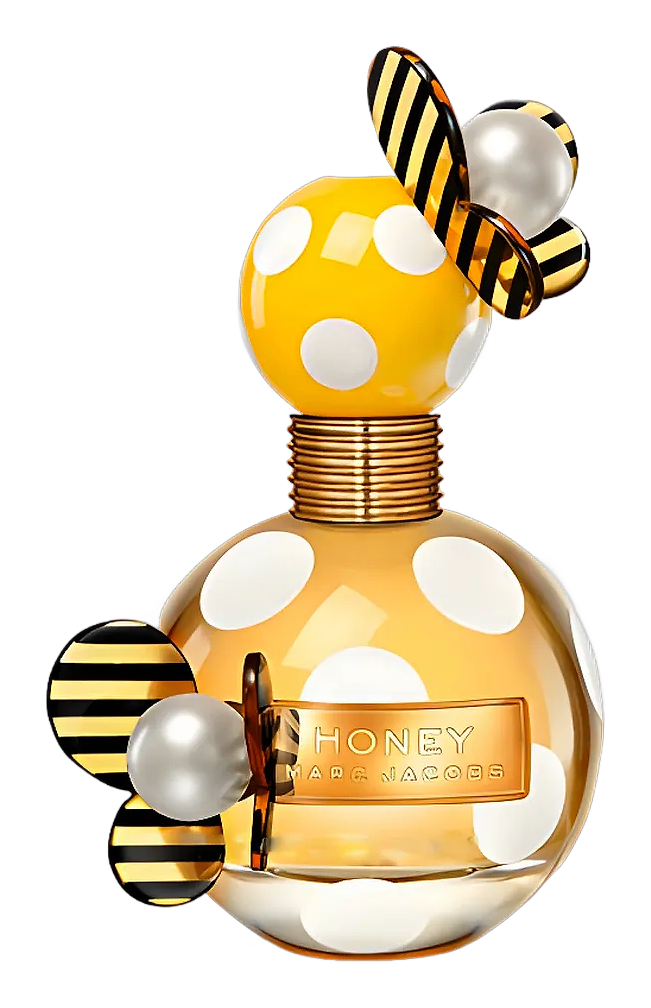
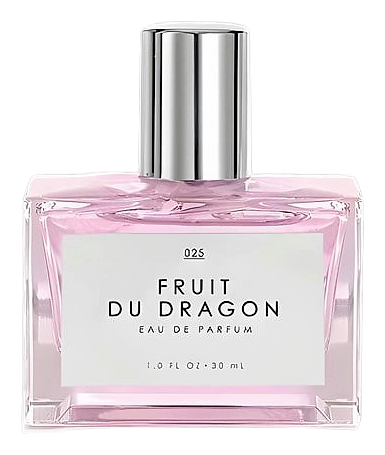
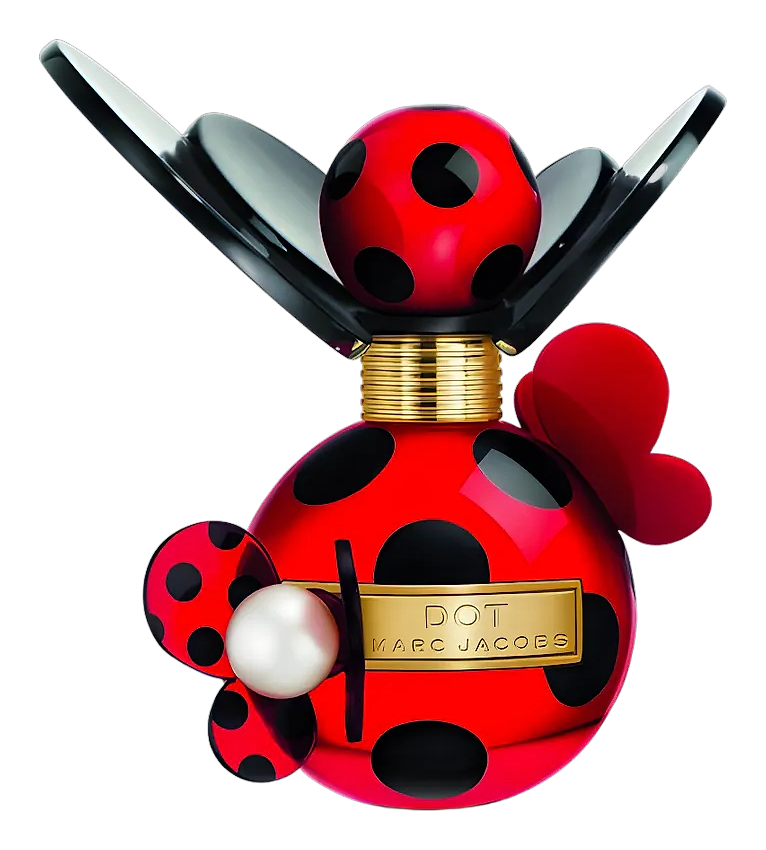
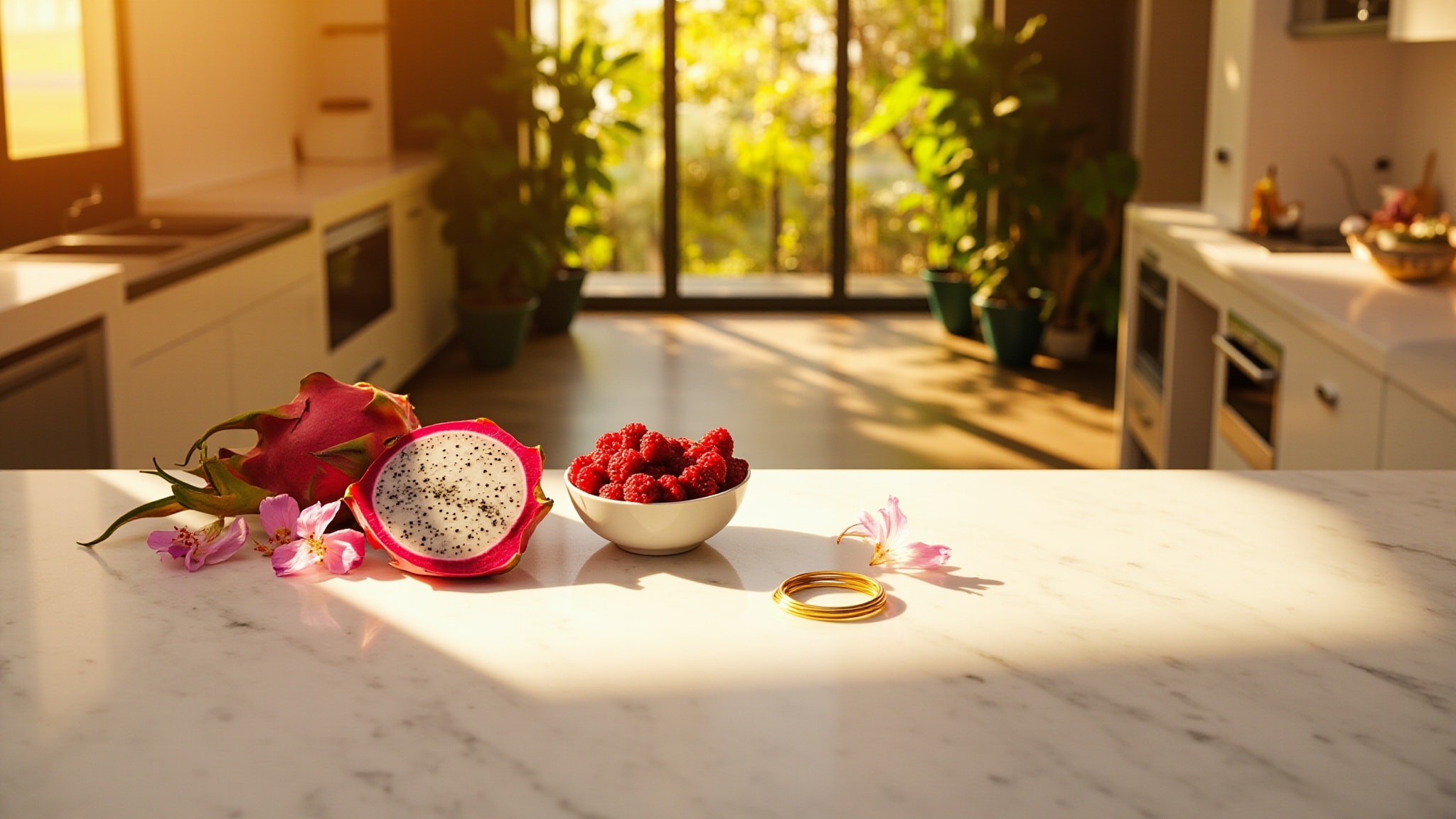
Annie Buzantian and Ann Gottlieb built Dot Marc Jacobs around a single visual idea: polka dots, a ladybug-shaped cap, red glass, and gold. The 2012 brief was to translate that playful, slightly quirky energy into something you could wear. Not another sophisticated floral. Something that smelled like the brand felt, joyful, unapologetic, a little bit much in the best way. The perfumers chose dragon fruit and red berries to open, then layered coconut milk and white florals underneath. The result was tropical without drifting into sunscreen territory, sweet without becoming one-note. It's the fragrance equivalent of someone who walks into a room laughing at their own joke and means it.
The structure here is what makes it work: red berries and dragon fruit in the top, a white floral heart, coconut milk and vanilla anchoring the base. Each layer supports the next. The dragon fruit gives it an unusual tropical quality that separates it from the usual berry-coconut shorthand. Honeysuckle bridges the bright and the sweet, keeping the opening from sharpening. Coconut milk in the heart shifts the florals from heady to creamy. And the vanilla-driftwood base gives it staying power without heaviness. It's a composition that could have gone generic tropical, but the perfumers threaded it toward something more wearable, sweetness with a pulse.
The evolution
The opening arrives fast: red berries and dragon fruit, juicy and bright, with honeysuckle softening the edges almost immediately. Within the first thirty minutes, the coconut emerges and the character shifts, warmer, creamier, less fruit and more flower. The jasmine and orange blossom bloom through the heart, sweet but not aggressive. By hour three, the drydown takes over: driftwood and vanilla, close to the skin, intimate rather than announced. It doesn't announce itself across a room. It stays, four to six hours on most skin, lingering in that way a warm afternoon lingers after the sun goes down.
Cultural impact
Dot Marc Jacobs has held its place since 2012, a reliable entry point for the brand and a go-to for anyone who wants tropical sweetness without sunscreen territory. The community response clusters around its wearability: sweet enough to appeal broadly, complex enough to reward a closer smell. It's the fragrance people describe when they say a scent 'just makes them happy.'
The House
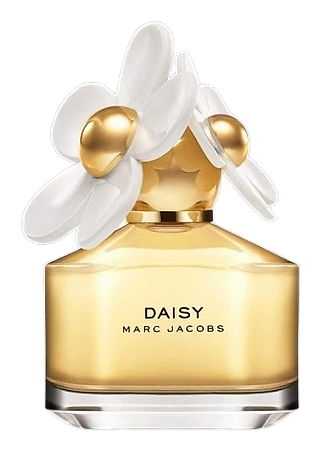
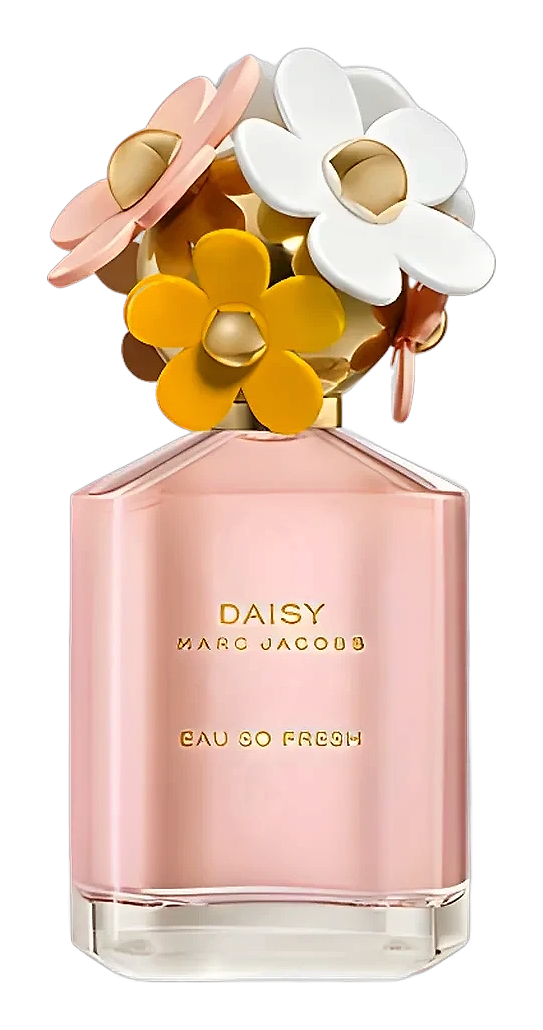
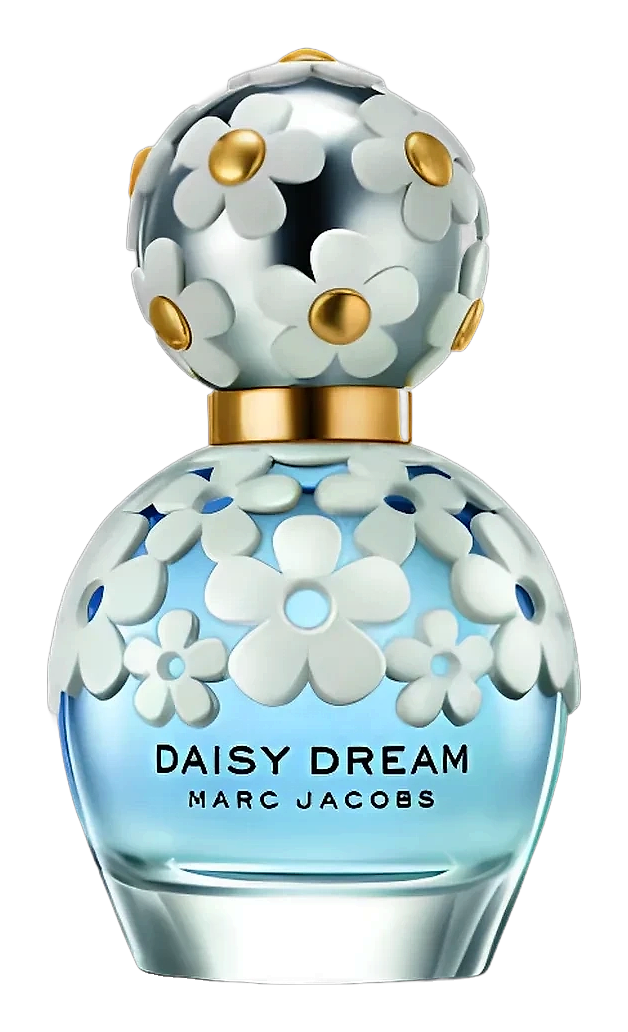
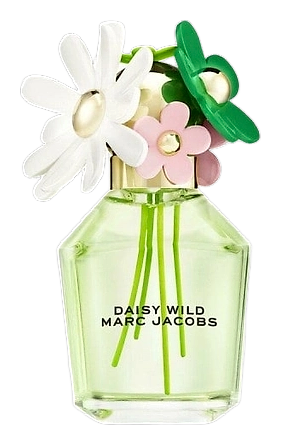
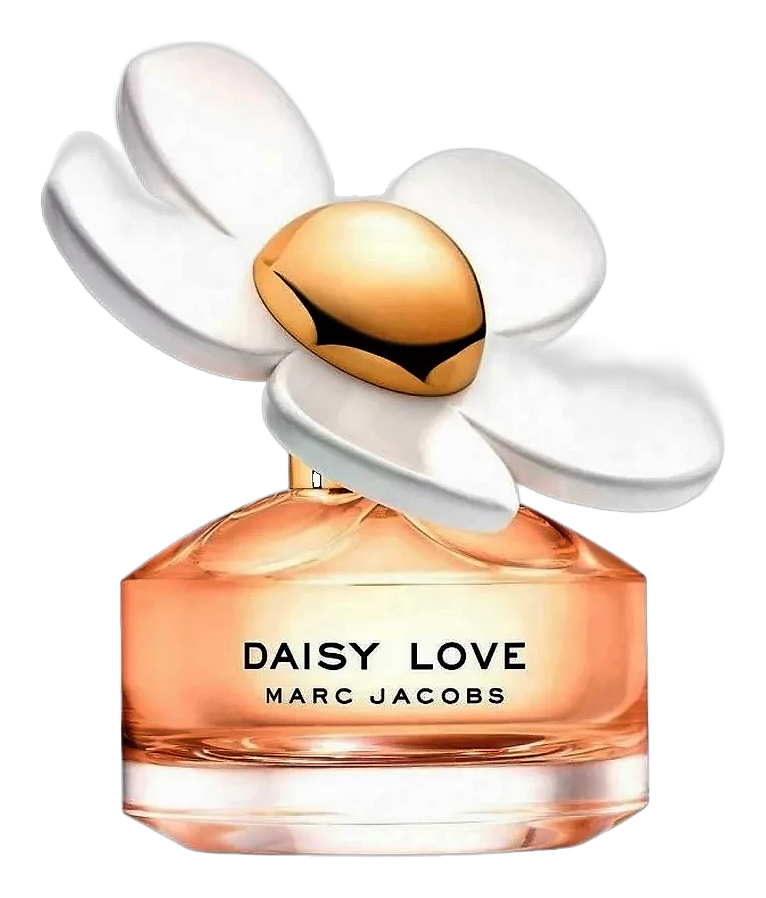
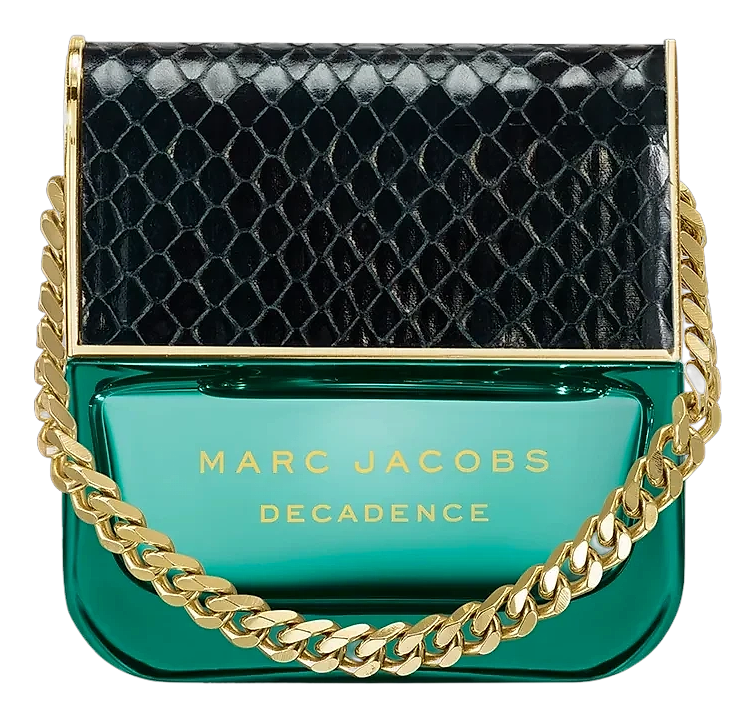
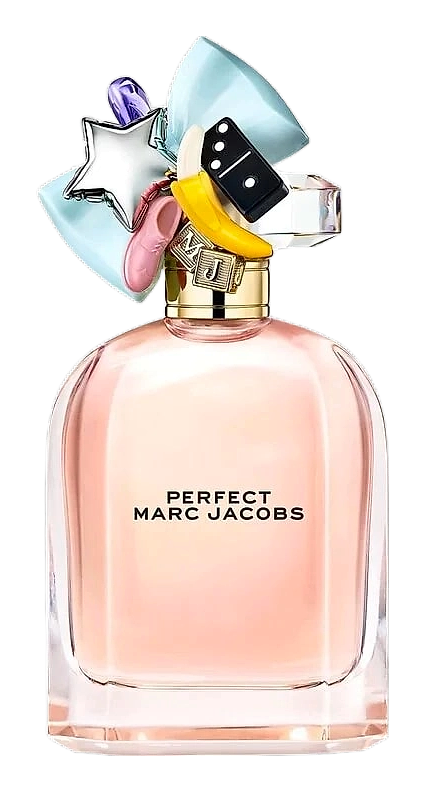
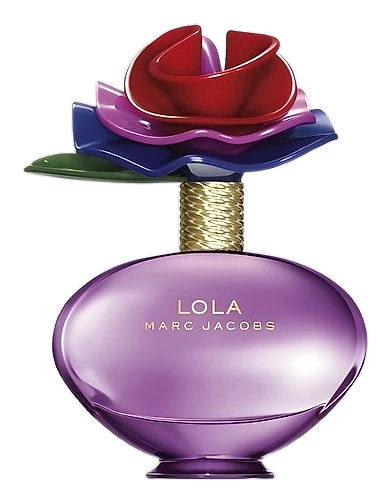
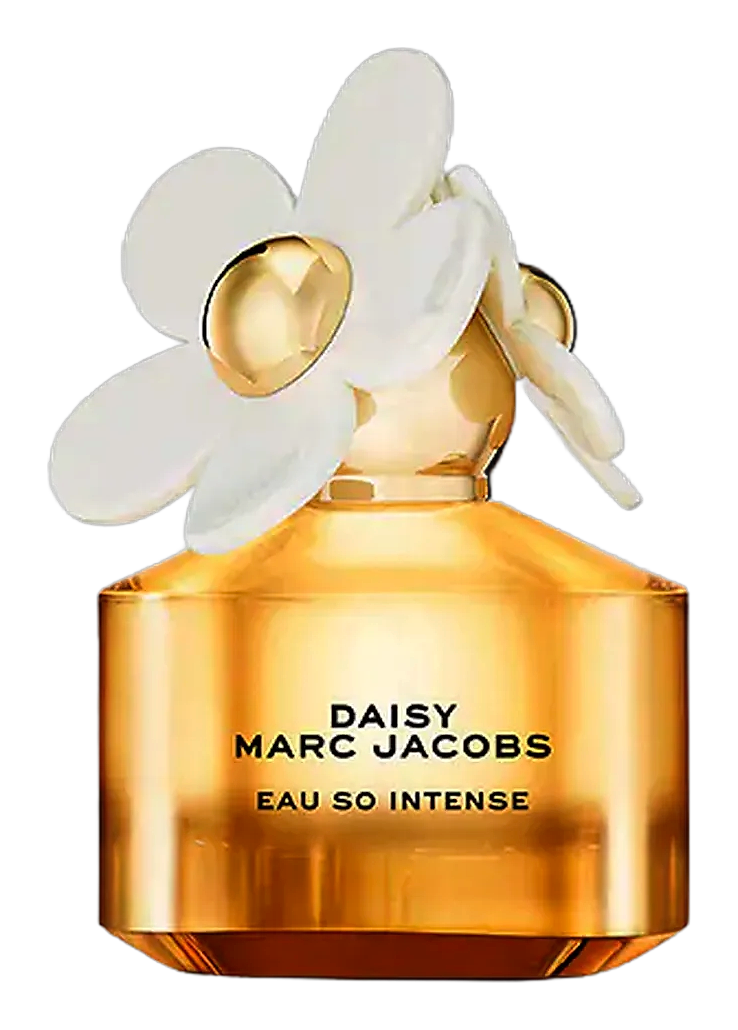
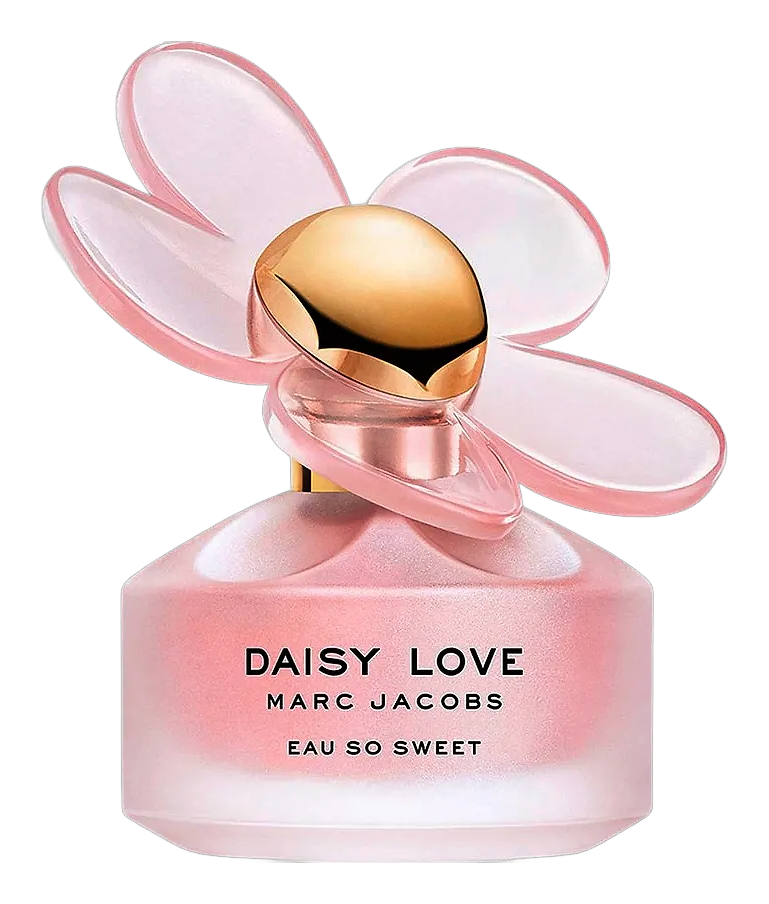
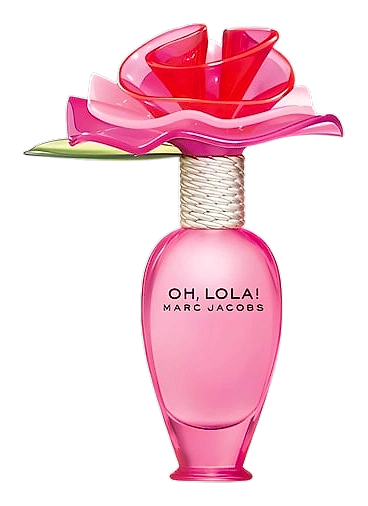
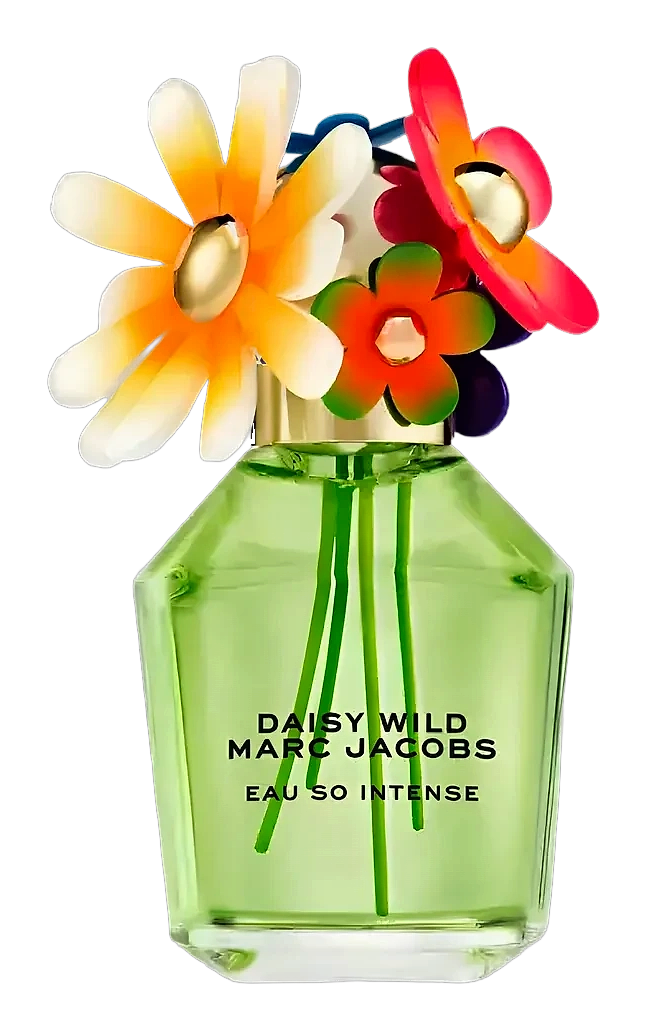
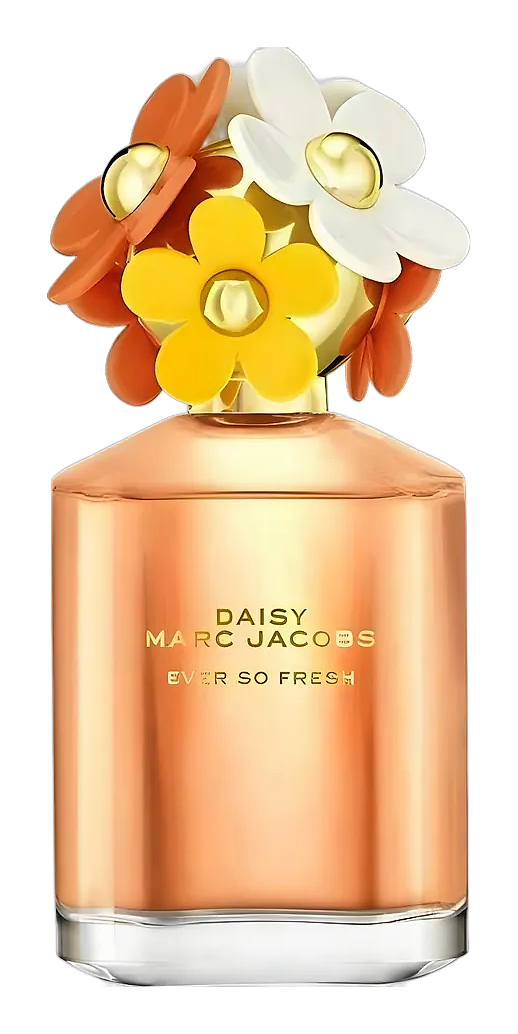
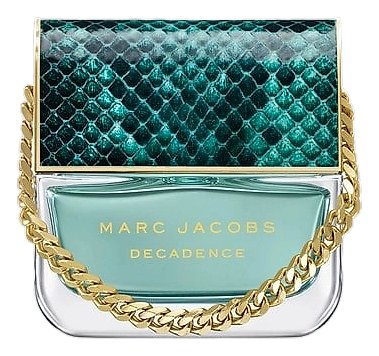
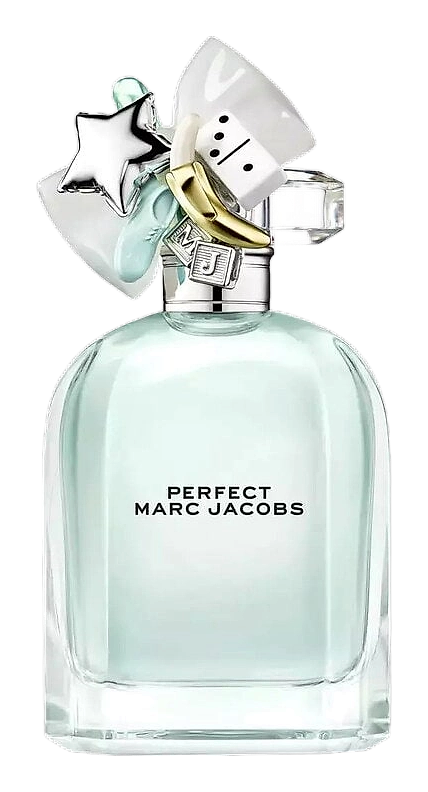
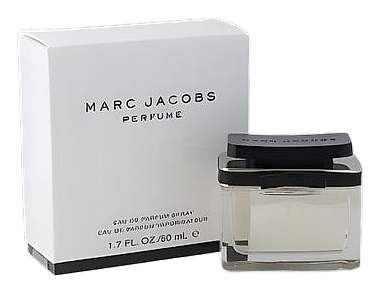
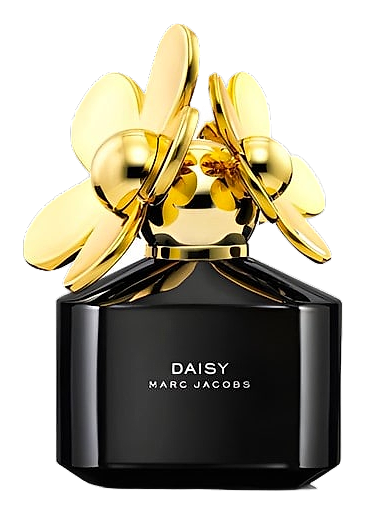
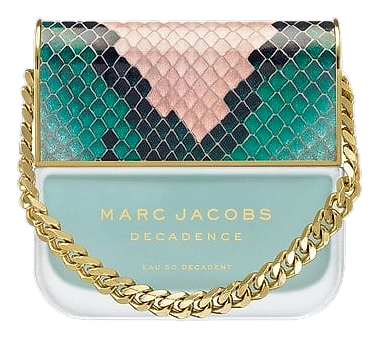
Marc JacobsMarc Jacobs fragrances, produced under license by Coty, launched in 2001 with Marc Jacobs for Women, followed by a companion men's scent in 2002. The brand has since built an extensive portfolio of fragrances anchored by signature lines including Daisy (2007), Lola (2009), Decadence (2015), and Perfect (2020). Daisy, named after Daisy Buchanan from F. Scott Fitzgerald's The Great Gatsby, quickly became a defining success for the brand, spawning numerous flankers and variations across multiple collections. The line's visual identity, with its oversized daisy cap atop a clean bottle, became one of the most recognizable silhouettes in contemporary perfumery. Decadence introduced a handbag-shaped bottle on a gold tasselled chain, a notably unconventional vessel for fragrance at the time of its launch. The brand has collaborated with a broad roster of perfumers over the years, including Annie Buzantian, Ann Gottlieb, Steve DeMercado, Loc Dong, Alberto Morillas, and Calice Becker, among many others. Marc Jacobs fragrances are available at major department stores worldwide and online.
The Creator
Annie Buzantian & Ann GottliebAnnie favors a structural approach, building around a strong heart that anchors the perfume. She often chooses violet, heliotrope, and lilac to add a soft floral edge, then balances them with musk and warm woods for longevity.